

 English
 عربى
عربى Deutsch
 Español
 Français
 русский
 日本語
日本語 简体中文
简体中文Content
- 1 What Are Elevator Background Boards
- 2 Material Options and Performance Characteristics
- 3 Design Considerations for Maximum Impact
- 4 Fire Safety and Code Compliance
- 5 Installation Process and Timeline
- 6 Maintenance and Longevity Strategies
- 7 Cost Analysis and Budget Planning
- 8 Emerging Trends and Innovations
What Are Elevator Background Boards
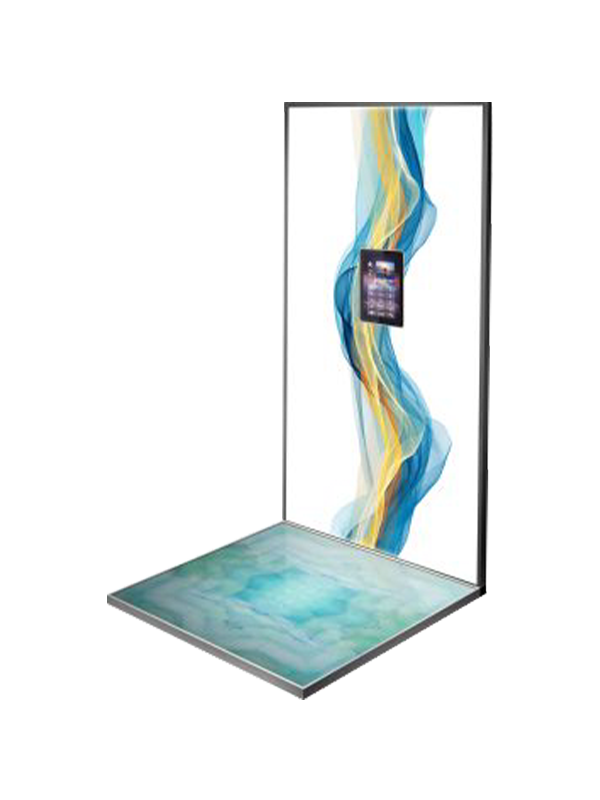
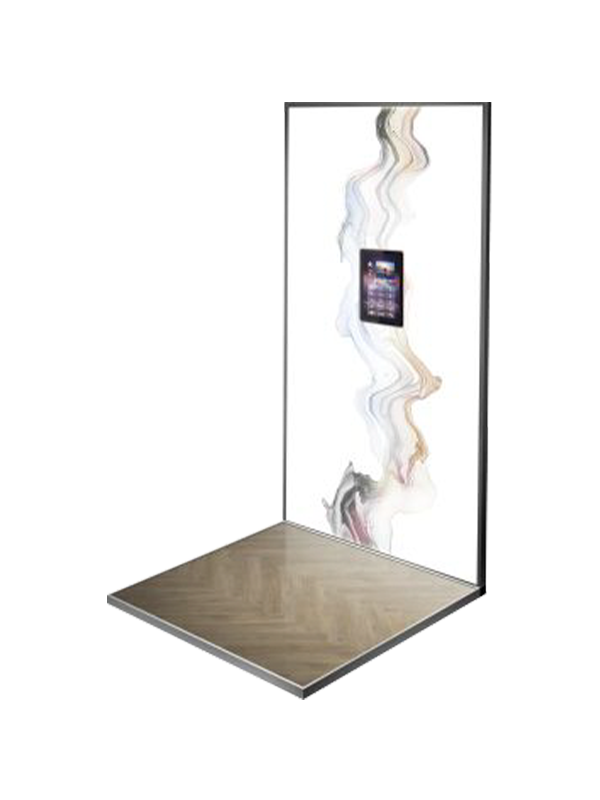
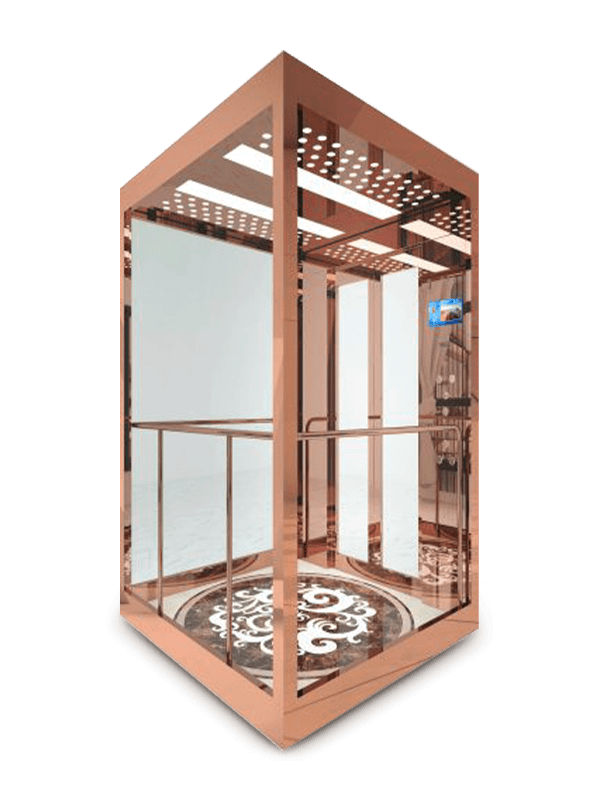
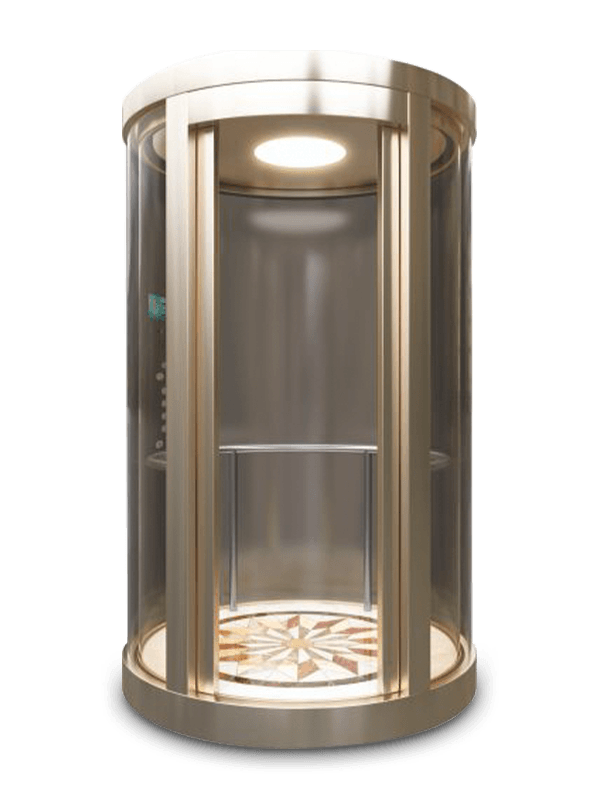
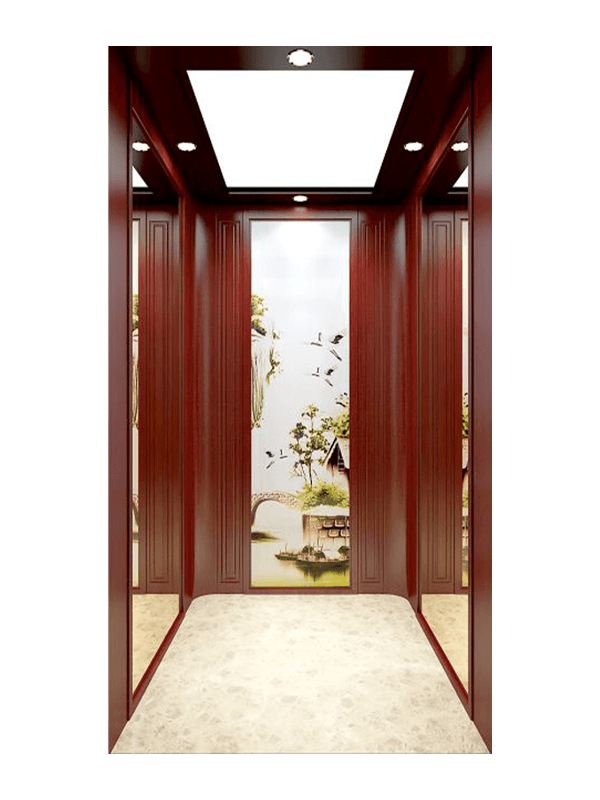
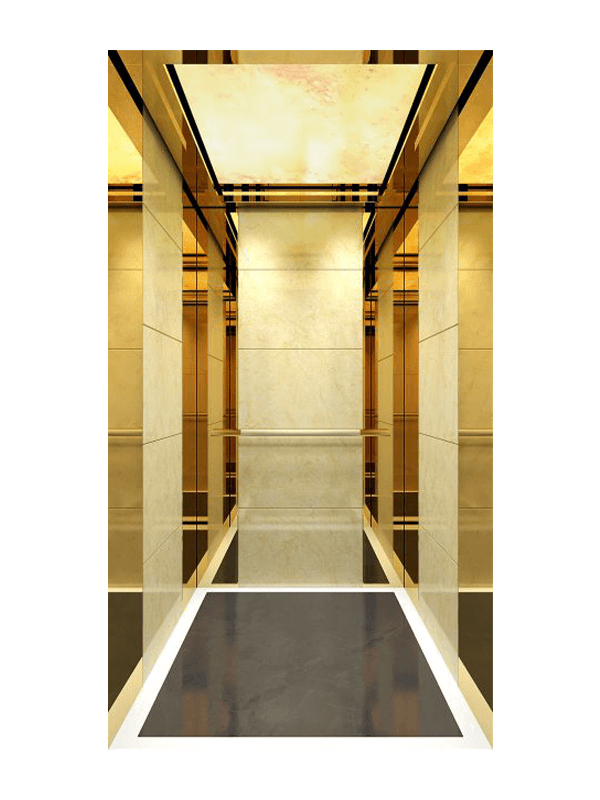
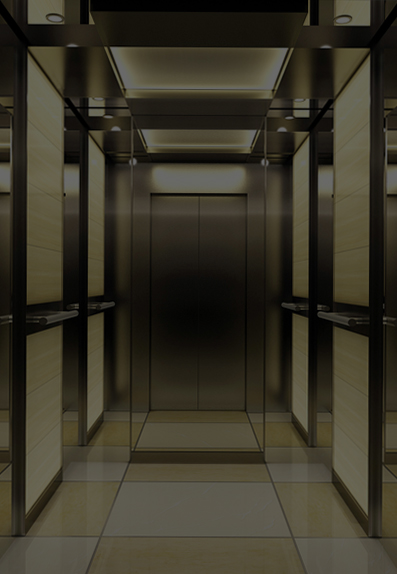
Elevator background boards are decorative wall panels installed inside elevator cabs to enhance aesthetics, protect walls, and create a professional atmosphere. These panels serve both functional and visual purposes, transforming standard elevator interiors into branded or architecturally cohesive spaces that align with building design standards.
Modern elevator background boards come in various materials including stainless steel, acrylic, wood veneer, and specialized composites. The global elevator interior market reached $18.3 billion in 2024, with background boards accounting for approximately 22% of renovation projects according to industry data from Elevator World magazine.
Material Options and Performance Characteristics
Selecting the right material for elevator background boards depends on traffic volume, aesthetic requirements, and maintenance capabilities. Each material offers distinct advantages for different building types.
Stainless Steel Panels
Stainless steel remains the most popular choice for high-traffic commercial buildings. Grade 304 stainless steel with satin finish provides excellent durability and requires minimal maintenance. These panels resist scratches, dents, and corrosion while maintaining their appearance for 15-20 years under normal conditions.
| Material | Lifespan | Cost per sqm | Maintenance |
|---|---|---|---|
| Stainless Steel | 15-20 years | $180-$320 | Low |
| Wood Veneer | 10-15 years | $220-$450 | Medium |
| Acrylic/Glass | 8-12 years | $150-$280 | Medium-High |
| HPL Laminate | 7-10 years | $95-$165 | Low |
Decorative Glass and Acrylic
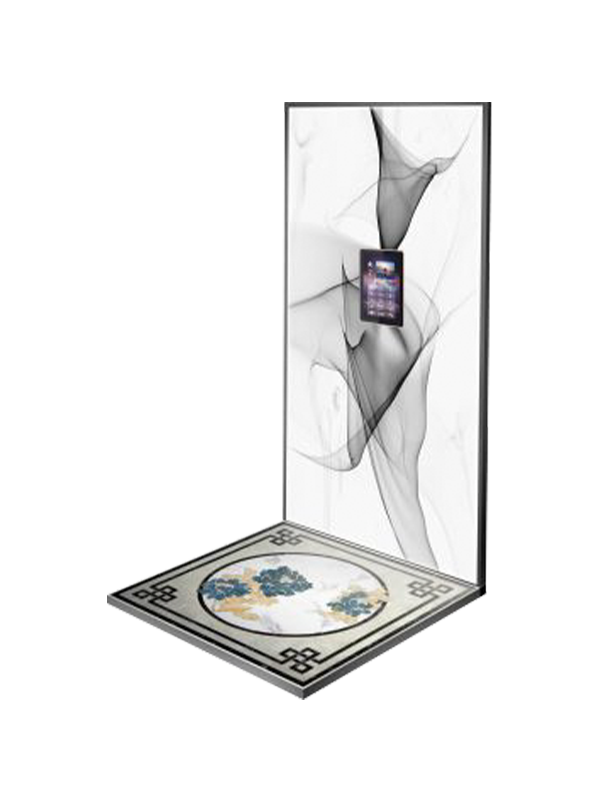
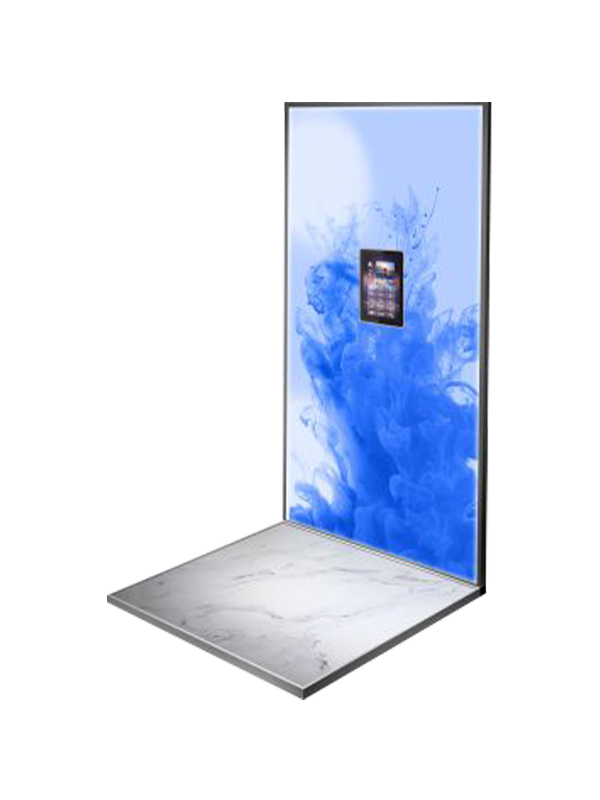
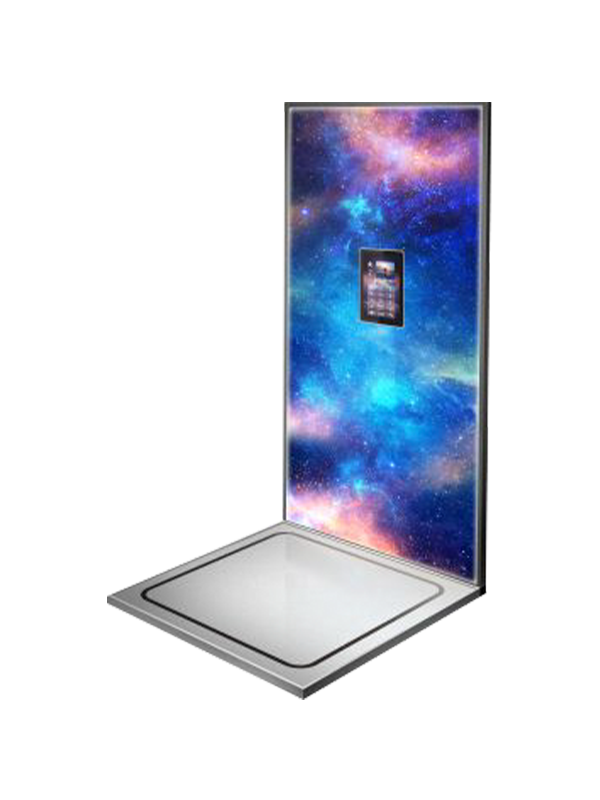
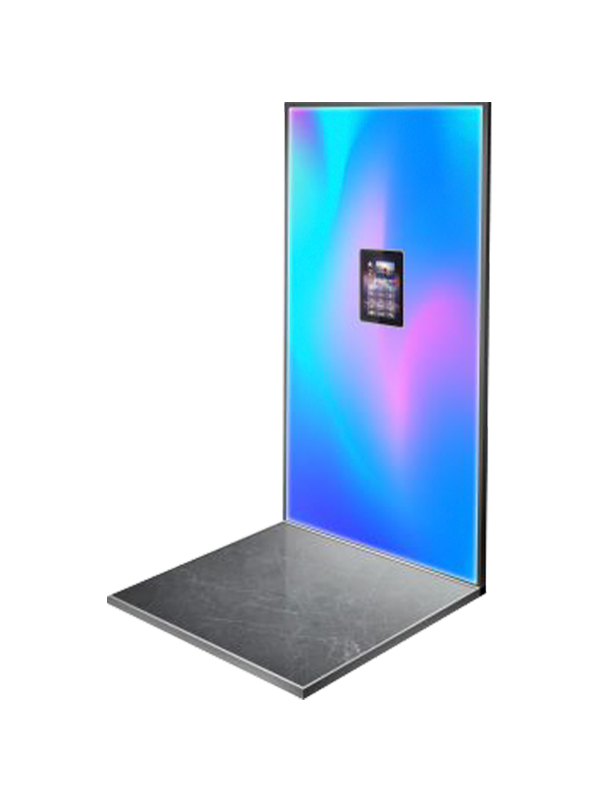
Back-painted glass and printed acrylic boards enable custom graphics, logos, and lighting effects. Tempered glass panels 6-10mm thick meet safety standards while allowing creative expression. LED backlighting integration has increased by 34% in luxury residential projects since 2022.
Natural Wood Veneer Systems
Real wood veneers bonded to fire-rated substrates provide warmth and elegance for boutique hotels and executive office buildings. Popular species include walnut, oak, and cherry with clear protective coatings. These systems require quarterly conditioning treatments in climate-controlled environments.
Design Considerations for Maximum Impact
Effective elevator background board design balances visual appeal with practical constraints including code compliance, lighting integration, and dimensional accuracy.
Color Psychology and Brand Integration
Research from the International Interior Design Association shows that 63% of building occupants form their first impression based on elevator interiors. Neutral tones like brushed silver, warm gray, and soft beige create universal appeal, while accent panels in corporate colors strengthen brand recognition by up to 41%.
Lighting and Reflection Management
Background boards interact significantly with cab lighting. Mirror-finish stainless steel amplifies light but may create glare, while matte finishes absorb 30-40% more light requiring brighter fixtures. Consider these factors:
- Reflectance values between 35-55% optimize visibility without harsh reflections
- Textured surfaces reduce fingerprint visibility by approximately 70%
- Dark colors require 25-35% more illumination to meet accessibility standards
- Indirect LED cove lighting paired with satin panels creates sophisticated ambiance
Dimensional Accuracy and Installation Methods
Standard elevator cabs range from 1,200mm to 2,100mm in width and 2,100mm to 2,400mm in height. Background boards should be fabricated with ±2mm tolerance to ensure proper fit. Installation methods include adhesive mounting for lightweight panels, mechanical fastening for heavy materials, and floating track systems for easy replacement.
Fire Safety and Code Compliance
All elevator interior materials must meet ASME A17.1 safety code and local fire ratings. In North America, Class A or Class 1 fire-rated materials with flame spread index below 25 are typically required for elevator cabs.
Common certifications include:
- ASTM E84 testing for surface burning characteristics
- UL 723 certification for flame spread and smoke development
- NFPA 101 Life Safety Code compliance documentation
- Local building authority approvals specific to jurisdiction
Manufacturers provide flame spread ratings with their products. Wood veneers require fire-retardant treatment to achieve Class A ratings, while metallic and mineral-based materials inherently meet these standards.
Installation Process and Timeline
Professional installation of elevator background boards typically requires 4-8 hours per cab depending on complexity. The process follows a systematic approach to minimize downtime.
Pre-Installation Preparation
Accurate field measurements should be taken after cab construction is complete. Template fabrication using cardboard or thin plywood ensures precise panel fitting and reduces material waste. Wall surfaces must be clean, dry, and level within 3mm variance.
Mounting Techniques
Adhesive systems using structural silicone or VHB tape work well for panels under 15kg. Heavier installations require mechanical fastening with concealed clips or z-bar systems. Expansion gaps of 2-3mm around panel perimeters accommodate thermal expansion and prevent buckling.
Quality Control Checkpoints
Post-installation inspection should verify alignment within 1mm tolerance, secure fastening with no visible movement, smooth surface transitions, and protective film removal without residue. Professional installers typically offer 1-2 year workmanship warranties.
Maintenance and Longevity Strategies
Regular maintenance extends background board lifespan by 30-50% while preserving aesthetic quality. Different materials require specific care protocols.
Cleaning Protocols by Material
Stainless steel benefits from weekly cleaning with pH-neutral detergents and microfiber cloths, following grain direction to prevent scratching. Avoid chlorine-based cleaners that cause pitting. Wood veneer requires dry dusting and quarterly application of manufacturer-approved conditioning oils. Glass and acrylic panels should be cleaned with ammonia-free solutions to prevent hazing.
Damage Prevention Measures
High-traffic buildings benefit from protective measures including corner guards, kick plates, and sacrificial protective films. Removable protective film applied to vulnerable areas can be replaced every 6-12 months, significantly reducing permanent damage. In freight elevators, full-height padding systems protect background boards during loading operations.
Repair vs. Replacement Decisions
Minor surface scratches on stainless steel can be buffed out using specialized abrasives. Deeper damage or discoloration typically requires panel replacement. Modular panel systems allow replacement of individual sections rather than complete cab refurbishment, reducing costs by 60-75% compared to full renovations.
Cost Analysis and Budget Planning
Elevator background board projects range from $1,200 to $6,500 per cab depending on material selection, customization level, and installation complexity.
Budget Breakdown
Material costs typically represent 45-55% of total project expense, with fabrication adding 20-25%, installation contributing 15-20%, and ancillary items like trim and fasteners accounting for 5-10%. Custom graphics or etching can increase material costs by 40-80% over standard finishes.
Value Engineering Options
Cost-conscious projects can achieve professional results using high-pressure laminate that mimics metal or wood at 50-60% lower material costs. Limiting custom sizes to manufacturer standard dimensions reduces fabrication charges by approximately 25%. Scheduling installation during building off-hours eliminates premium labor rates.
Return on Investment
Commercial real estate studies indicate that premium elevator interiors contribute to 3-7% higher tenant retention rates and support 2-4% rent premiums in competitive markets. For residential properties, modern elevator finishes rank among the top five amenities influencing buyer decisions according to 2024 National Association of Realtors data.
Emerging Trends and Innovations
The elevator interior industry continues evolving with sustainable materials, smart technology integration, and antimicrobial surfaces gaining prominence.
Sustainable Material Options
Recycled aluminum panels and FSC-certified wood veneers meet LEED credit requirements for sustainable building materials. Bio-based resin panels made from agricultural byproducts offer comparable performance to traditional plastics with significantly lower carbon footprints. These materials typically add 10-15% to initial costs but contribute to green building certifications.
Antimicrobial Surface Technologies
Copper-infused stainless steel and silver-ion coatings reduce bacterial colonization by 99.9% within two hours according to EPA-registered testing. Healthcare facilities and high-rise residential buildings increasingly specify these surfaces, which command 20-30% premium over standard materials but reduce disease transmission risks.
Digital Display Integration
Background boards incorporating transparent OLED displays or projection surfaces enable dynamic content including wayfinding, advertising, and building information. These systems represent the fastest-growing segment with 47% year-over-year growth in commercial installations. Initial costs range from $8,000 to $18,000 per cab but generate advertising revenue potential in retail and mixed-use developments.