

 English
 عربى
عربى Deutsch
 Español
 Français
 русский
 日本語
日本語 简体中文
简体中文Content
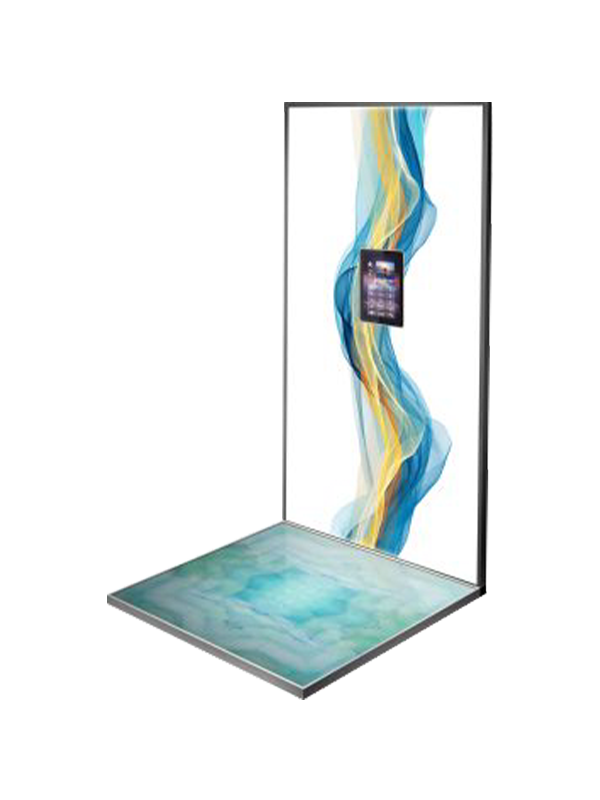
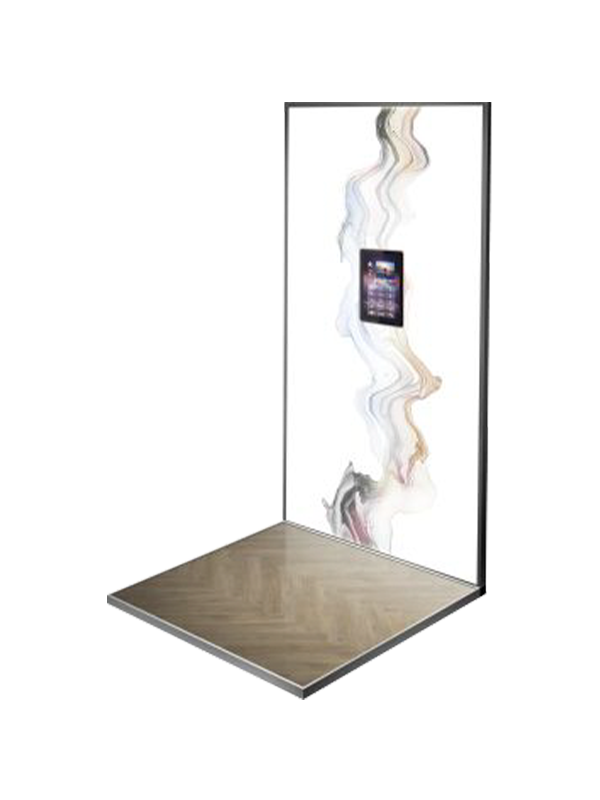
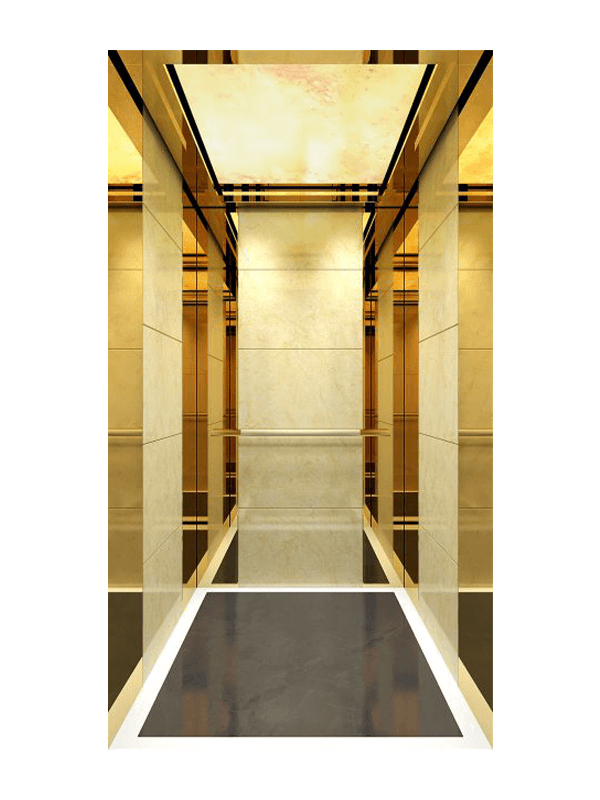
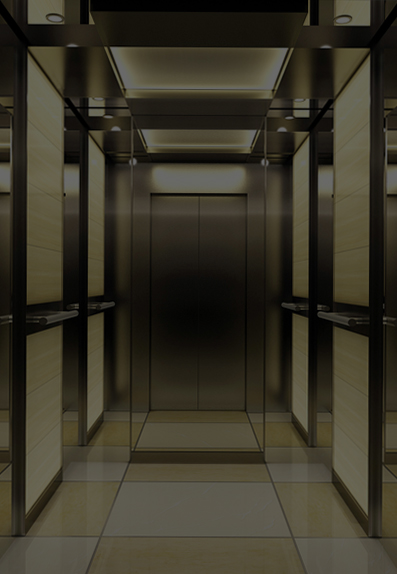
An elevator background board, also known as an elevator back panel or rear wall panel, is the decorative and protective panel installed on the rear wall of an elevator car. This component serves both functional and aesthetic purposes, providing a finished surface that protects the elevator's structural wall while creating an attractive interior environment for passengers. Background boards typically range from 2000mm to 2800mm in height and are customized to fit the specific dimensions of each elevator car.
These panels have become essential elements in modern elevator design, transforming what would otherwise be a plain metal or concrete surface into an appealing visual feature that complements the overall elevator aesthetic.
Common Materials Used for Elevator Background Boards
The choice of material significantly impacts the durability, appearance, and maintenance requirements of elevator background boards. Different materials suit different building types and budget considerations.
Stainless Steel Panels
Stainless steel remains the most popular choice for elevator background boards, particularly in commercial and high-traffic environments. Grade 304 stainless steel is standard, while Grade 316 offers superior corrosion resistance for coastal or harsh environments. These panels can feature various finishes including mirror, hairline, satin, or etched patterns. A typical stainless steel background board costs between $200-$600 per panel depending on finish complexity.
Laminate and Wood Veneer
High-pressure laminate (HPL) and wood veneer panels provide warmth and elegance, commonly used in residential buildings, hotels, and executive office environments. These materials offer extensive design flexibility with countless color and pattern options. Quality laminate panels typically cost $150-$400 per panel, while genuine wood veneer ranges from $300-$800.
Glass and Mirror Panels
Tempered glass and mirror panels create an illusion of expanded space, particularly beneficial in smaller elevator cars. Tempered safety glass with 8-12mm thickness is standard to ensure passenger safety. These panels often incorporate LED backlighting or decorative films and cost between $400-$1000 per installation.
| Material Type | Durability Rating | Maintenance Level | Typical Lifespan |
|---|---|---|---|
| Stainless Steel | Excellent | Low | 20-25 years |
| Laminate/Veneer | Good | Medium | 10-15 years |
| Glass/Mirror | Good | High | 15-20 years |
| Stone/Composite | Excellent | Low | 20+ years |
Installation Methods and Structural Considerations
Proper installation of elevator background boards requires careful planning to ensure safety, durability, and compliance with building codes. The installation process varies based on material type and elevator car construction.
Mounting Systems
Background boards typically use one of three mounting methods:
- Adhesive mounting - Using structural adhesives suitable for elevator vibration, commonly employed for lightweight laminate or thin metal panels
- Mechanical fastening - Utilizing brackets, clips, or screws anchored to the elevator car frame, preferred for heavier materials like glass or stone
- Track system installation - Employing aluminum channels that allow for easier panel replacement and adjustment
Weight Distribution
Elevator background boards must be factored into the overall car weight calculations. A standard 2400mm x 1200mm stainless steel panel weighs approximately 25-35 kg, while glass panels of similar dimensions can weigh 40-60 kg. Installers must verify that additional weight remains within the elevator's rated capacity and doesn't affect counterweight balance.
Safety Compliance
All background board installations must meet ASME A17.1 safety code requirements in North America or EN 81 standards in Europe. Key requirements include:
- Panels must not create entrapment hazards or sharp edges
- Mounting systems must withstand 5 times the panel weight without failure
- Materials must meet fire-resistance ratings, typically Class A or B flame spread
- Glass panels require safety backing or lamination to prevent shattering
Design Options and Aesthetic Customization
Modern elevator background boards offer extensive customization possibilities, allowing building owners to create unique interior environments that reflect brand identity or architectural themes.
Surface Treatments and Finishes
Beyond basic material selection, various surface treatments enhance visual appeal:
- Etched patterns - Chemical or laser etching creates permanent decorative designs in metal or glass, with costs adding $50-$200 to panel price
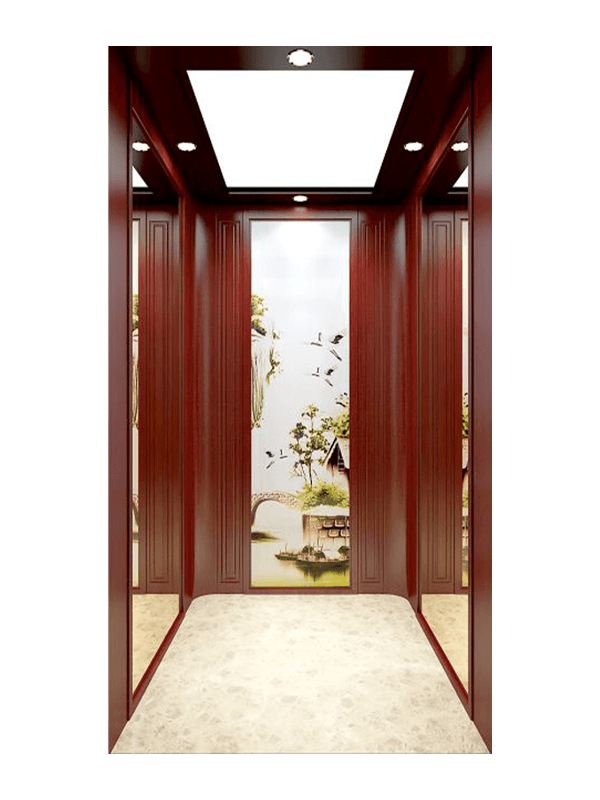
- Digital printing - High-resolution images printed on laminate or special metal coatings, enabling photographic or artistic designs
- Textured surfaces - 3D patterns, linen finishes, or geometric embossing add tactile and visual dimension
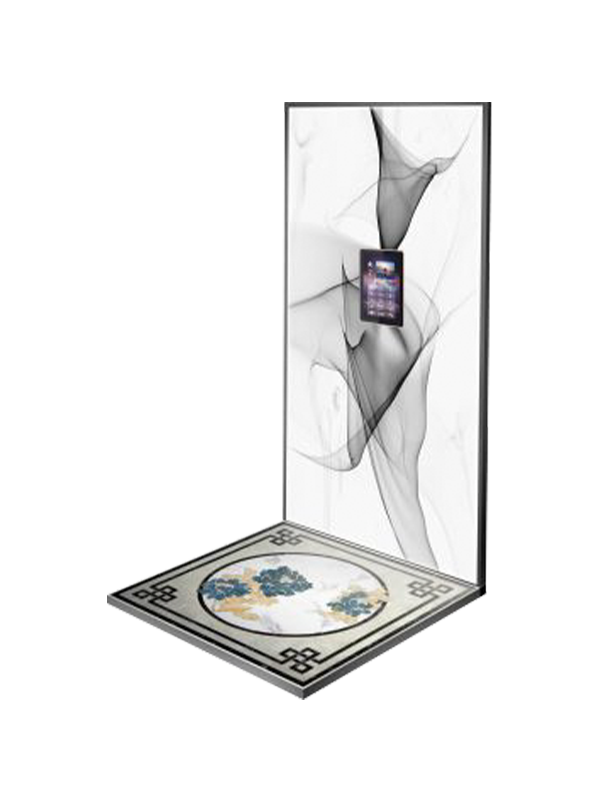
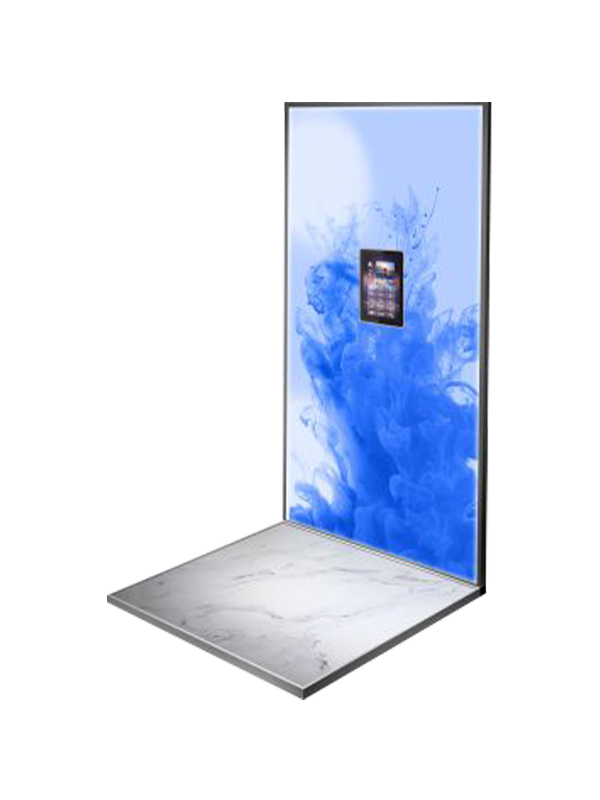
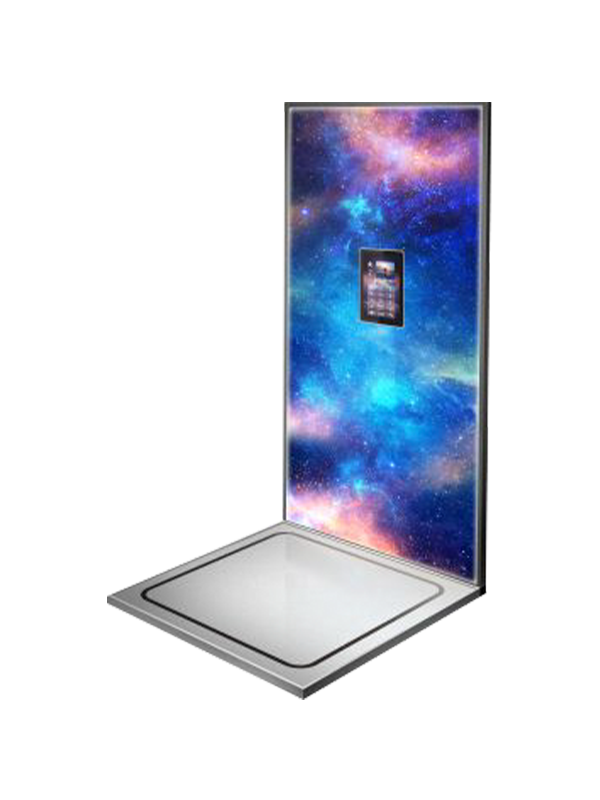
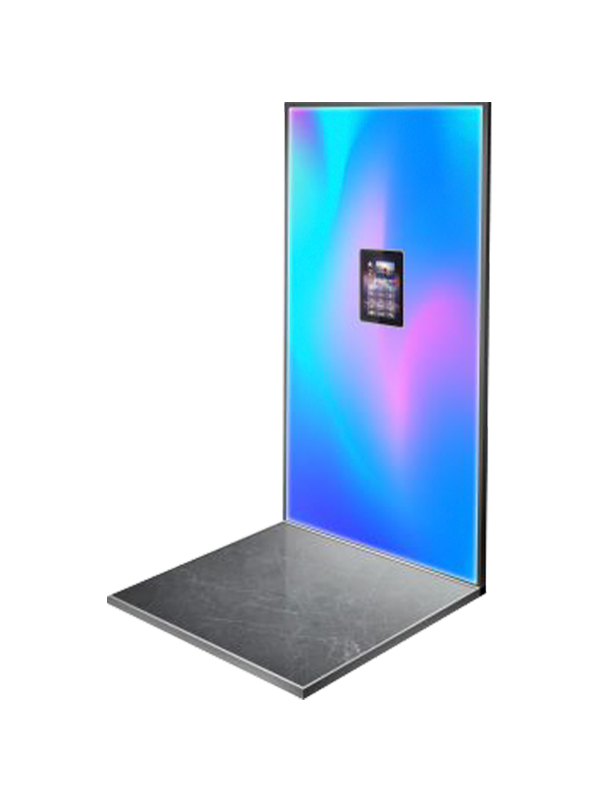
- LED integration - Backlit panels or edge lighting creates dramatic effects, particularly with translucent materials
Application-Specific Design Trends
Different building types favor distinct background board styles. Corporate office buildings typically choose brushed stainless steel or wood veneer with minimal patterns, projecting professionalism. Luxury residential buildings often incorporate mirrors with decorative frames or backlit onyx panels. Healthcare facilities prefer antimicrobial stainless steel with soft, calming colors. Hospitality environments experiment with bold patterns, custom artwork, or locally-inspired designs.
Maintenance and Cleaning Requirements
Regular maintenance preserves the appearance and extends the lifespan of elevator background boards. Maintenance intensity varies significantly by material choice.
Stainless Steel Care
Stainless steel panels require weekly cleaning with microfiber cloths and pH-neutral cleaners to prevent fingerprints and maintain luster. Avoid abrasive cleaners that can scratch surfaces. For high-traffic elevators, consider applying protective coatings that reduce fingerprint visibility and simplify cleaning.
Laminate and Wood Maintenance
These materials require gentler cleaning with damp cloths and mild detergents. Avoid excessive moisture that can damage edges or seams. Annual inspection of edge banding and surface integrity helps identify potential delamination before it becomes severe.
Glass and Mirror Surfaces
Glass panels demand the most frequent attention, typically requiring daily or every-other-day cleaning in high-traffic installations to remove fingerprints, smudges, and streaks. Use ammonia-free glass cleaners and lint-free cloths for optimal results.
Cost Factors and Budget Planning
Understanding the complete cost structure helps in making informed decisions about elevator background board selection and installation.
Total Investment Breakdown
The complete cost of an elevator background board project includes several components:
- Material costs - Ranging from $150 to $1000+ per panel depending on material and customization
- Fabrication fees - Custom cutting, finishing, and edge treatment typically add 15-30% to material costs
- Installation labor - Professional installation costs $300-$800 per elevator depending on complexity
- Elevator downtime - Installation requires 2-6 hours of out-of-service time per car
- Permits and inspections - Some jurisdictions require elevator modifications to be inspected, adding $100-$500
Long-Term Value Considerations
While premium materials cost more initially, they often provide better value over time. A stainless steel panel costing $500 with a 20-year lifespan represents better value than a $200 laminate panel requiring replacement after 10 years. Factor in maintenance costs, with stainless steel requiring approximately $100 annually in cleaning supplies and labor compared to $150-$200 for glass or mirror maintenance.
Upgrading and Replacement Considerations
Building owners periodically upgrade elevator background boards to refresh aesthetics, address wear, or rebrand spaces. Understanding replacement timelines and processes ensures minimal disruption.
Signs Replacement is Needed
Common indicators that background boards require replacement include:
- Visible scratches, dents, or permanent staining that cannot be removed through cleaning
- Delamination or edge peeling in laminate panels
- Corrosion or discoloration in metal panels
- Outdated design that no longer aligns with building aesthetics
Modernization Opportunities
Background board replacement offers opportunities to incorporate modern features. Smart glass technology can transform panels into information displays. Antimicrobial coatings have become popular since 2020, reducing surface bacteria by up to 99.9%. Energy-efficient LED backlighting consumes less than 10 watts per panel while creating impressive visual effects.
The typical replacement process requires 3-4 hours per elevator car, including removal of old panels, surface preparation, and installation of new boards. Scheduling replacements during off-peak hours or weekends minimizes impact on building operations.