

 English
 عربى
عربى Deutsch
 Español
 Français
 русский
 日本語
日本語 简体中文
简体中文Content
- 1 The Critical Role of Villa Elevator Background Boards
- 2 Material Science Behind Enduring Elegance
- 3 Customization as a Precision Process
- 4 Safety, Traction, and the Background Board Connection
- 5 The Digital Thread: Internet-Enhanced Customization
- 6 Maintenance That Preserves the Wood Series Aesthetic
- 7 Making the Choice That Lasts
The Critical Role of Villa Elevator Background Boards
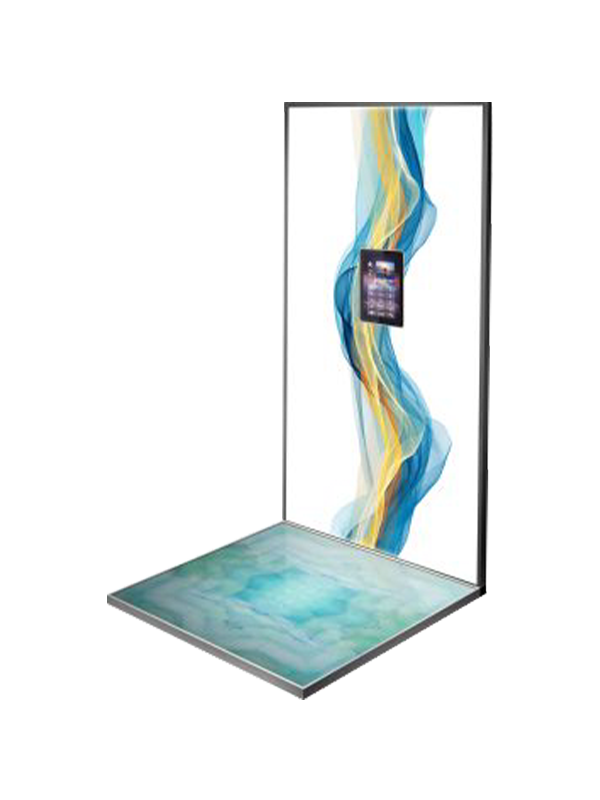
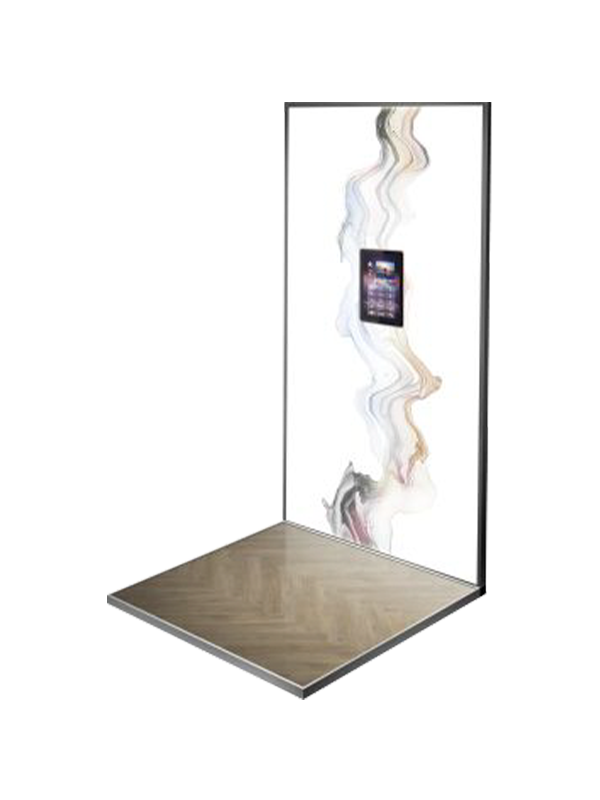
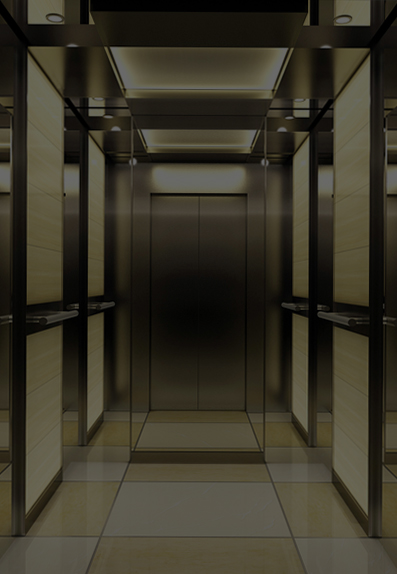
A villa elevator background board is far more than interior decoration; it is the element that defines the cab’s entire atmosphere, merging structural safety with personal expression. The most successful installations treat the background board as an integrated component that must balance fire-rated material compliance, precise dimensional stability, and a seamless visual dialogue with the home’s architecture. Without carefully specified boards, even a technically advanced lift can feel generic or, worse, present long-term maintenance challenges. Focusing on factory-customized solutions rather than off-the-shelf panels directly addresses the unique shaft dimensions and humidity conditions of private residences, ensuring a result that remains flawless for decades.
Material Science Behind Enduring Elegance
The choice of substrate determines how a background board withstands temperature swings, vibration, and daily cleaning. In a villa setting, where the elevator often opens directly onto living spaces, the panel must resist scuffs and moisture without warping. Three core material groups dominate high-end customization, each offering a different balance of weight, texture, and longevity.
| Material | Core Advantage | Weight Impact | Typical Lifespan |
|---|---|---|---|
| Solid Wood Veneer | Natural grain uniqueness | Medium | 20+ years |
| Engineered Wood Composite | Superior warp resistance | Low | 15–20 years |
| Stainless Steel with Wood-grain Transfer | Fire rating and zero maintenance | Medium-High | 25+ years |
Solid wood veneer remains the benchmark for biophilic design, with oak and walnut accounting for over 60% of high-end villa requests due to their stability after kiln drying. Engineered composites, however, have gained ground because they can be manufactured in larger seamless sheets, reducing visible joints on back or side walls. The wood-grain transfer on stainless steel provides an identical visual warmth while meeting stringent fire codes without additional treatments, a factor that significantly simplifies the building approval process in many regions.
Customization as a Precision Process
Unlike commercial elevators with fixed panel sizes, a villa installation requires background boards to be measured to millimeter accuracy on site after the guide rails are aligned. Professional manufacturers use a digital templating workflow that captures the exact car dimensions, cutout positions for handrails and operating panels, and any curvature. This data drives CNC machining so that each board arrives pre-drilled and edge-finished, eliminating on-site cutting that can compromise laminate edges.
A complete customization package typically considers these layers:
- Substrate selection matched to regional humidity data
- Surface finish (matte, satin, or high-gloss lacquer)
- Integrated LED profile grooves milled into the board
- Hidden fastener systems for a clean, screw-free interior
- Matching ceiling and skirting panel coherence
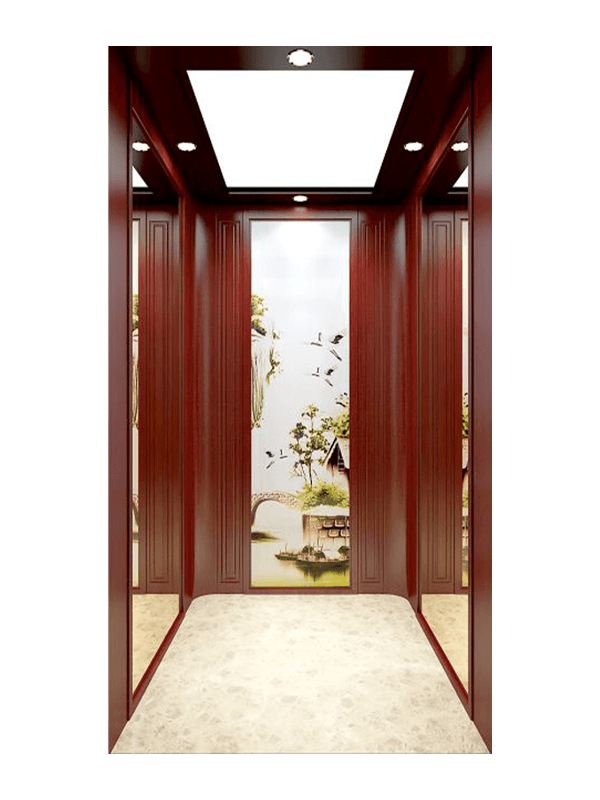
When a “wood” series design language is adopted, it extends beyond the wall panel to the handrail, the control panel bezel, and even the floor pattern alignment. Such coherence transforms the cab into a miniature room that feels like a natural extension of the villa’s interior design rather than a mechanical insert.
Safety, Traction, and the Background Board Connection
The background board’s weight directly influences the traction system’s energy consumption and ride comfort. A lighter composite panel can reduce the overall car mass by up to 8% compared to a full solid wood interior, allowing the gearless traction machine to operate with slightly lower current draw and finer leveling accuracy. Conversely, the board must be rigid enough to not flex during door operation. Leading manufacturers test the complete assembled car, including the background boards, to verify that the vibration frequency stays below 0.3 m/s² at rated speed, a threshold where passengers perceive true smoothness.
Fire behavior is non-negotiable. Factory-supplied background boards now come with full EN 81-20 compliance documentation, with the surface spread of flame classified to at least Class 1 for residential use. The backing material often incorporates a mineral core layer that acts as an additional barrier, giving families precious extra minutes in an emergency scenario. This integration of safety into the decorative component is what separates a certified solution from a purely aesthetic aftermarket panel.
The Digital Thread: Internet-Enhanced Customization
Modern background board procurement has moved beyond email attachments. A factory implementing an “Internet+” operation allows clients and designers to collaborate through a cloud-based configurator. Wood grain patterns, stain colors, and lighting positions can be adjusted on a real-time 3D model of the exact elevator model, such as a steel belt or strong drive villa elevator, with instant feedback on how morning light will fall across the textured surface. This approach shortens the design approval cycle to under 48 hours and reduces sample shipping waste.
Furthermore, each background board set receives a unique QR-linked documentation package. Scanning it reveals the material lot numbers, curing temperature logs for the lacquer, and the precise torque values used during panel installation. For a homeowner, this builds trust; for an architect, it provides the traceability required for luxury project handover certificates.
Maintenance That Preserves the Wood Series Aesthetic
High-quality background boards are engineered for extremely low maintenance, yet a few simple practices will keep the wood series finish maturing gracefully rather than degrading. The two most common causes of early wear are aggressive alkaline cleaners and sustained exposure to direct sunlight through an unshaded glass elevator shaft. A microfiber cloth barely dampened with water is sufficient for weekly cleaning; quarterly application of a non-silicone, hard-wax oil rejuvenates the micro-pores of open-grain wood without building a sticky film. Panels with a two-component polyurethane lacquer finish only require dusting and can withstand accidental contact with hand sanitizer without etching, a practical detail that has become unexpectedly vital in residential usage.
Making the Choice That Lasts
An informed selection sequence for a villa elevator background board follows a logical path from structural demand to decorative finish. First, confirm the fire rating and weight allowance with the elevator engineer. Second, narrow materials to those that can be produced in the required sheet size to eliminate or minimize vertical joints. Third, finalize the surface treatment based on tactile expectation and natural light exposure. The result is a background board that not only looks striking on installation day but continues to perform quietly as a backdrop to family life, resisting discoloration, delamination, and mechanical fatigue. Investing in factory-customized panels installed by certified teams transforms the elevator car into a genuine living space signature, one that elevates the entire villa experience.