

 English
 عربى
عربى Deutsch
 Español
 Français
 русский
 日本語
日本語 简体中文
简体中文Content
- 1 What Elevator Background Boards Actually Do
- 2 The Most Common Materials — and How They Compare
- 3 Custom vs. Standard: When Customization Is Worth It
- 4 How to Select the Right Panel for Your Project
- 5 Installation Considerations Most Buyers Overlook
- 6 Matching the Board to the Overall Car Decoration
- 7 The Bottom Line on Selection
Most people spend about 30 seconds in an elevator and never think twice about the walls. But those walls do a lot of work — they take daily scuffs, absorb humidity, and form the first visual impression of a building's interior quality. Choosing the right elevator background boards determines how long that impression lasts and how much upkeep it demands.
What Elevator Background Boards Actually Do
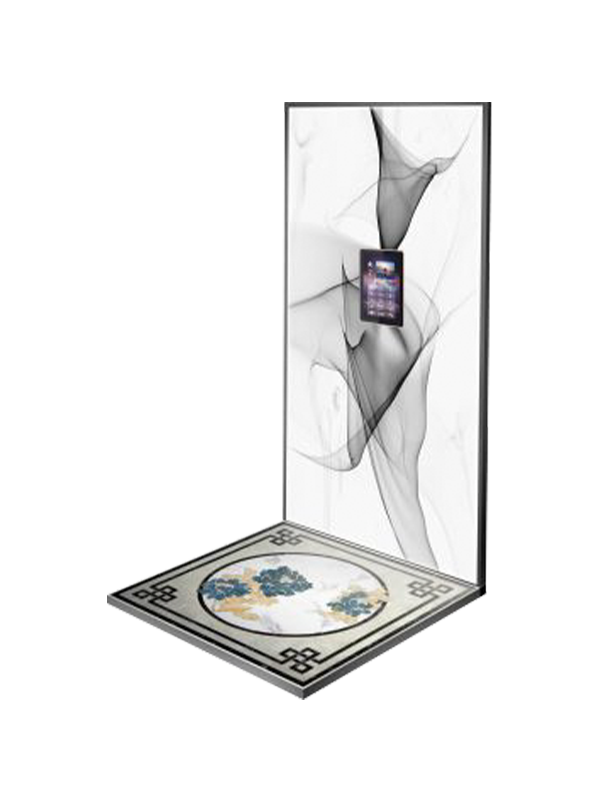
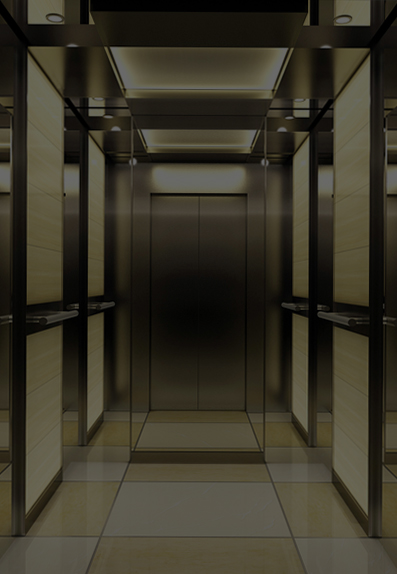
Background boards are the decorative wall panels that line the interior of an elevator car. Their role is dual: they protect the structural walls from impact and moisture, and they define the cabin's visual character. A bare metal cab feels industrial. A well-fitted panel in woodgrain, marble finish, or etched stainless steel signals quality the moment the doors open.
Beyond aesthetics, the right panel reduces long-term maintenance. A surface that resists fingerprints, moisture, and dents requires far less upkeep than exposed steel or painted drywall — both of which degrade quickly in high-traffic shafts.
The Most Common Materials — and How They Compare
Material choice drives everything else: cost, durability, visual style, and installation complexity. Here's a practical breakdown:
| Material | Key Advantage | Best For |
|---|---|---|
| Stainless Steel (brushed / etched) | Highly durable, moisture-resistant, easy to clean | Commercial & high-traffic cabins |
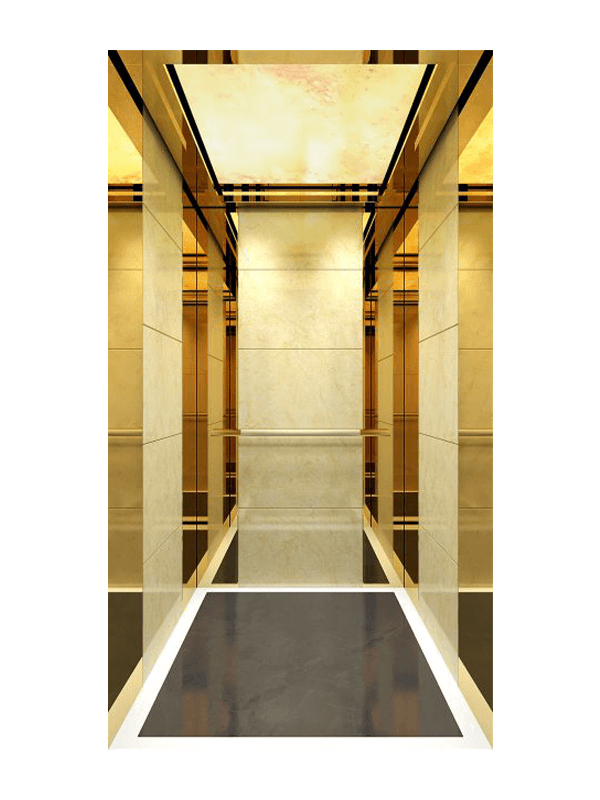
| Imitation Marble Panel | Luxury look at a fraction of real stone's weight and cost | Villa elevators, hotel lobbies |
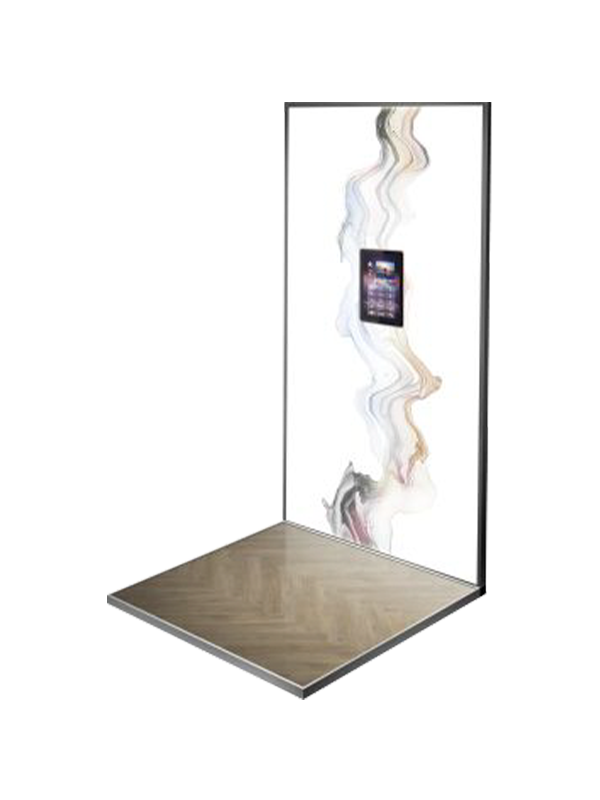
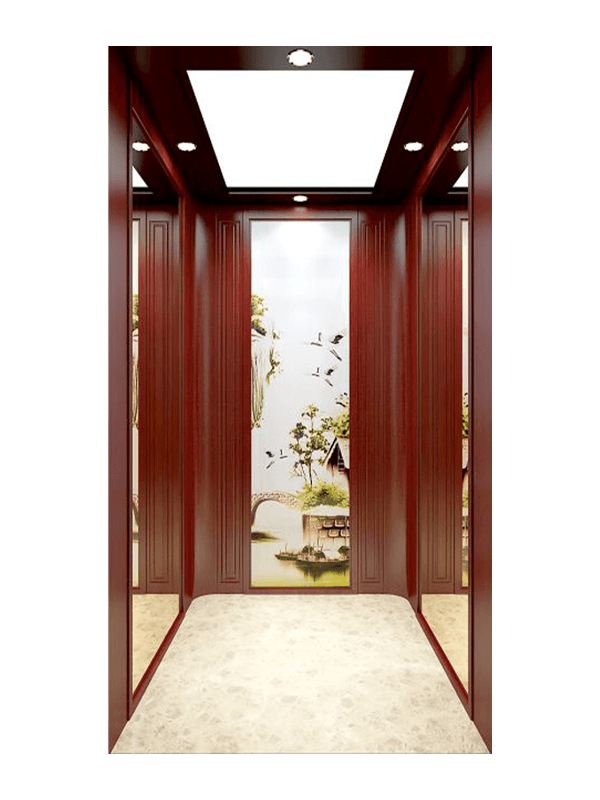
| Woodgrain Decorative Panel | Warm aesthetic, customizable grain and tone | Residential and villa settings |
| Colored / Painted Steel Panel | Wide color range, cost-effective, lightweight | Compact home elevators, budget projects |
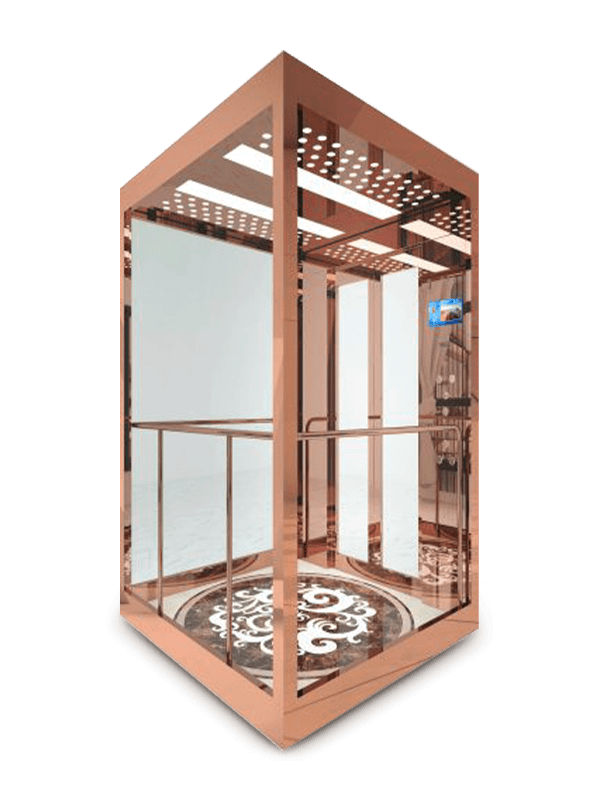
Stainless steel panels — particularly etched or rose-gold-finished variants — have grown popular in villa elevators because they combine durability with a premium appearance. Imitation marble achieves a similar luxury effect without the structural load of real stone, which matters in smaller residential shafts.
Custom vs. Standard: When Customization Is Worth It
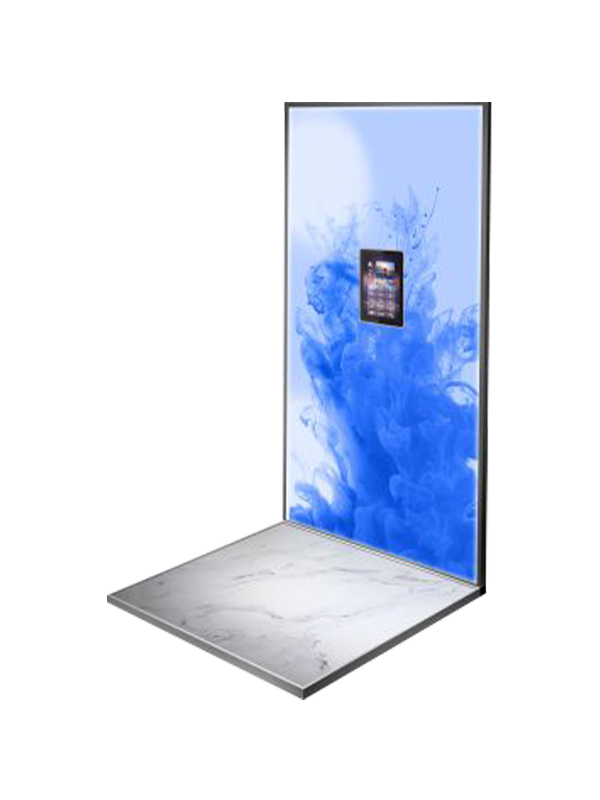
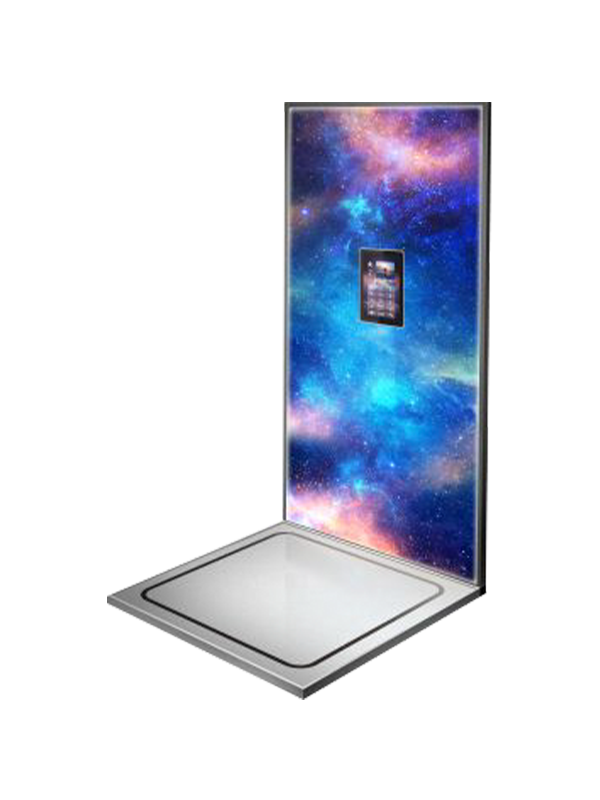
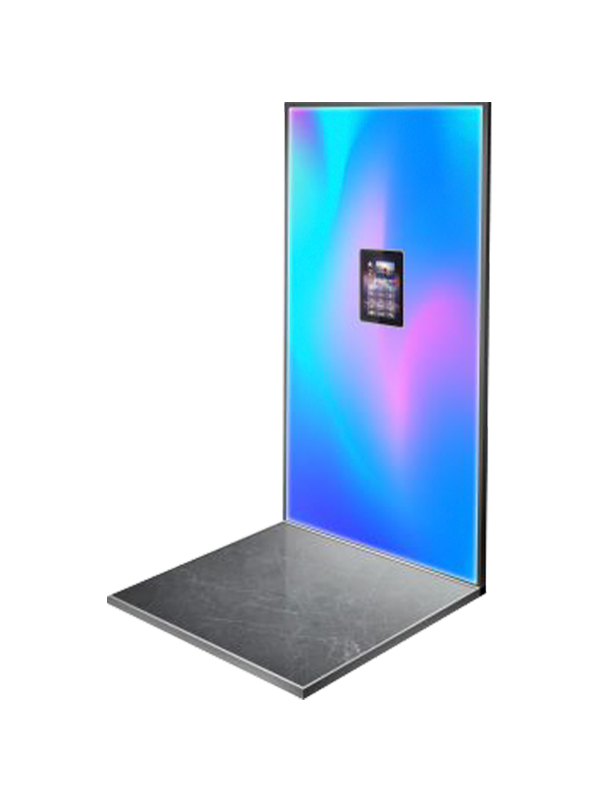
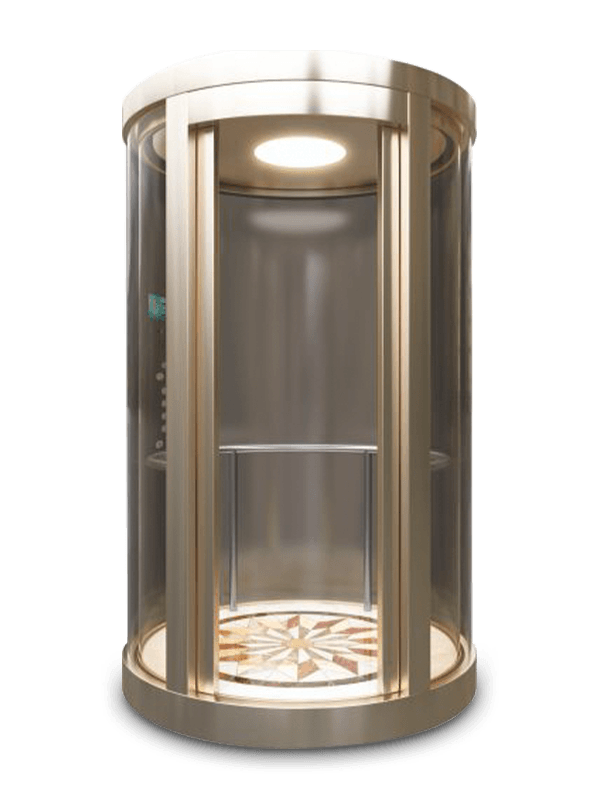
Standard panels work for most commercial elevator retrofits. But villa elevators and high-end passenger lifts often demand panels cut to non-standard dimensions, matched to a specific interior color palette, or finished with unique surface treatments like colorful cabin decorations or etching patterns.
Manufacturers with in-house R&D can produce boards to custom mold specifications, which means the panel fits the shaft precisely rather than being trimmed on-site — a difference that shows up in both the finished look and the lifespan of the installation. Annual production capacity of 800–1,000 units (maintained under ISO 9001:2008 quality systems) is a benchmark that separates dedicated elevator panel specialists from general sheet-metal shops.
If you're sourcing for a villa project, the ability to customize surface finish, panel dimensions, and color profile from a single supplier significantly reduces coordination complexity.
How to Select the Right Panel for Your Project
Four questions narrow the field quickly:
- What's the traffic level? A private villa elevator sees a fraction of the daily use of a commercial passenger lift. Higher traffic demands harder surface finishes — brushed steel over woodgrain, for instance.
- What's the humidity environment? Shafts in coastal regions or buildings with inconsistent climate control need panels with sealed edges and moisture-resistant cores. Standard MDF-backed panels degrade faster in these conditions.
- What's the design language of the surrounding space? A cabin that clashes with the lobby aesthetic undermines both. Panels should extend the building's interior design language, not contradict it.
- What are the installation constraints? Some shafts use an aluminum alloy frame hoistway; others use a spray steel structure. Panel thickness and mounting method must match the shaft type. Confirm this with your installer before ordering.
Installation Considerations Most Buyers Overlook
The panel is only as good as its mounting. Common mistakes include using adhesive-only installation in humid shafts (moisture eventually breaks the bond), ignoring thermal expansion gaps between adjacent panels (which causes warping or buckling over time), and selecting panels without consulting the elevator car frame specifications.
Quality suppliers ship panels pre-cut with hardware guides and provide installation documentation. If those materials aren't included, treat it as a quality signal. elevator interior background board panels designed for specific car dimensions arrive ready for bracket-mount installation — far more reliable than field-cut alternatives.
Post-installation, panels should be checked at the first service interval (typically within 6 months) for any edge lifting or surface delamination, especially in shafts with temperature fluctuation.
Matching the Board to the Overall Car Decoration
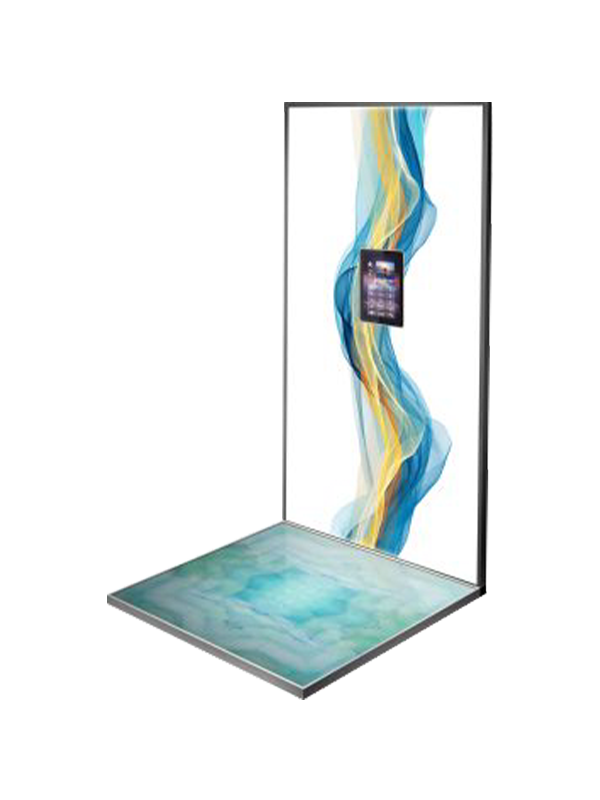
Background boards don't exist in isolation. They're part of a system that includes the ceiling, flooring, landing doors, and control panel finishes. A colorful cabin background decoration paired with a mismatched ceiling or floor tile undermines the effect of either element.
The most cohesive installations treat the elevator car as a single design unit. Choose a surface finish family — metallic, wood-toned, or stone-effect — and carry it across panels, ceiling trim, and door surround. Matching rose gold tones across wall panels and landing doors, for example, creates a finished look that reads as intentional rather than assembled from separate decisions.
For anyone designing or specifying a villa elevator interior from scratch, it's worth reviewing the full elevator car decoration series alongside background board options to confirm material and finish compatibility before ordering.
The Bottom Line on Selection
The right elevator background boards protect the cab, reduce maintenance costs, and communicate quality to every person who steps inside. Material durability, surface finish, custom fit, and compatibility with the broader car decoration scheme are the four levers that determine whether a panel delivers value over a 10–15 year service life — or becomes a replacement job within three. Get the specification right upfront, and the elevator takes care of itself.