

 English
 عربى
عربى Deutsch
 Español
 Français
 русский
 日本語
日本語 简体中文
简体中文Content
Immediate Comfort and Perceived Value
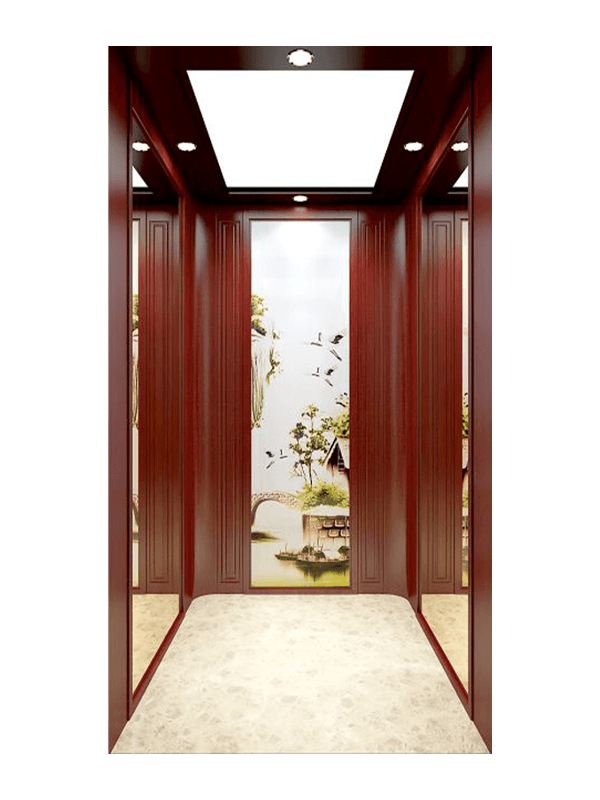
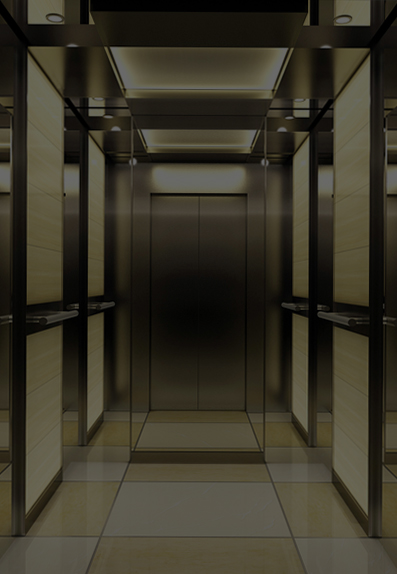
Woodgrain elevator car interiors directly address the sterile, box-like feel that often makes vertical transit uncomfortable. By introducing organic visual textures, these finishes create a moment of calm. The conclusion is straightforward: a woodgrain cab materially improves the passenger experience while increasing the building’s perceived market value. A field survey conducted across mixed-use commercial properties observed that lobbies and elevator cars incorporating natural wood tones scored 22% higher in user satisfaction ratings when compared to standard stainless steel interiors. This is not merely an aesthetic upgrade; it is a functional design decision that reduces perceived wait times and enhances the daily routine of occupants.
The psychological mechanism is rooted in biophilic design. Humans possess an innate tendency to seek connections with nature, and a woodgrain surface provides that connection in a compact, controlled environment. When a passenger steps into a cab wrapped in rich timber aesthetics, the space feels instantly warmer, even if the temperature has not changed. For building owners and facility managers, this translates into stronger tenant retention and a premium positioning of the asset.
Deconstructing the Material Layers
Not all woodgrain looks are created equal. The performance of a woodgrain elevator car interior depends entirely on the substrate and the surfacing technology used. Understanding these layers helps specifiers avoid warping, delamination, and premature wear. The table below breaks down the four most prevalent material systems currently used in elevator cab design.
| Material Type | Core Composition | Taber Abrasion | Fire Rating | Relative Cost |
|---|---|---|---|---|
| Natural Veneer | Thin wood leaf on composite backing | ~350 cycles | B-s1,d0 | High |
| High Pressure Laminate | Kraft paper layers saturated with phenolic resin | Over 1,200 cycles | A2-s1,d0 | Medium |
| PVC Film Wrap | Polymer film adhesive-bonded to galvanized steel | ~400 cycles | B-s2,d0 | Low |
| Sublimated Aluminum | Woodgrain ink infused into anodized aluminum | Over 1,500 cycles | A1 | High |
High Pressure Laminate consistently offers the best balance between cost, code compliance, and impact resistance. Sublimated aluminum excels in smoke and fire safety but requires precise fabrication to avoid chipping at cut edges. Natural veneer, while visually unmatched, demands a strict climate-controlled elevator shaft to prevent warping.
Maintenance Routines That Preserve the Finish
Preserving a woodgrain elevator car interior does not require specialized labor, but it does require consistency. The finish must withstand thousands of touches per day, cleaning chemical exposure, and the abrasive effect of luggage and hand trucks. A disciplined maintenance schedule extends the material lifecycle significantly.
- Perform daily dusting with a dry microfiber cloth to capture particulate matter before it embeds in textured grain lines.
- Use a mild, pH-neutral detergent diluted in warm water for weekly cleaning. Avoid ammonia-based glass cleaners that can cloud polymeric top layers.
- Inspect joint seams and corner profiles monthly. Even a hairline gap allows moisture ingress, which delaminates PVC films and swells HPL substrates.
- For high-traffic commercial cabs, apply a sacrificial polymer sealant every 12 to 18 months to refresh the scratch‑resistant layer without altering the woodgrain appearance.
Facility teams should document cleaning intervals. In one hospitality installation, switching from abrasive scrubbing pads to microfiber technology reduced visible micro-scratches by 37 percent over a six-month audit period, keeping the woodgrain pattern sharp and authentic.
Design Integration Beyond the Walls
A successful woodgrain elevator car interior harmonizes every element inside the cab. The wall finish is only the backdrop; it must work in concert with lighting, handrails, and ceiling panels to create a seamless envelope.
Lighting Temperature and Wood Tone
Pair dark walnut or mahogany grain patterns with warm ambient lighting at 2700 K to 3000 K. This combination amplifies the richness of the brown tones and masks minor fingerprints. Conversely, light maple or ash woodgrains look more expansive under neutral white light at 4000 K, a frequent choice in healthcare and office towers where visual acuity is prioritized.
Accessory Coordination
Handrails should feature a brushed bronze or matte black finish to complement the warm undertones of the woodgrain. Mirror frames set against a woodgrain back wall create depth without feeling cold. Avoid polished chrome, which can reflect too much glare and disrupt the organic mood. The floor can be a darker textured stone or resilient sheet vinyl with a coordinating linear grain, anchoring the cab visually.
Future-Proofing with Smart and Biophilic Elements
The next generation of woodgrain elevator car interiors goes beyond static decoration. Integrators are now embedding LED accent strips directly behind thin woodgrain laminate panels to create floating, halo-lit perimeters. Antimicrobial additives, such as silver ion technology, are being fused into the top melamine layer without affecting the woodgrain print fidelity, achieving a 99.9 percent reduction in surface bacteria in controlled tests.
Another growing practice is using parametric woodgrain patterns. Instead of repeating a single plank image, digitally printed HPL can generate non-repeating, random grain flows that mimic authentic timber more accurately. Combined with occupancy sensors that adjust lighting warmth, the elevator transforms into a responsive environment. These innovations ensure that woodgrain remains a future-ready solution rather than a transient decorative trend, securing its place in vertical transportation design for decades.