

 English
 عربى
عربى Deutsch
 Español
 Français
 русский
 日本語
日本語 简体中文
简体中文Content
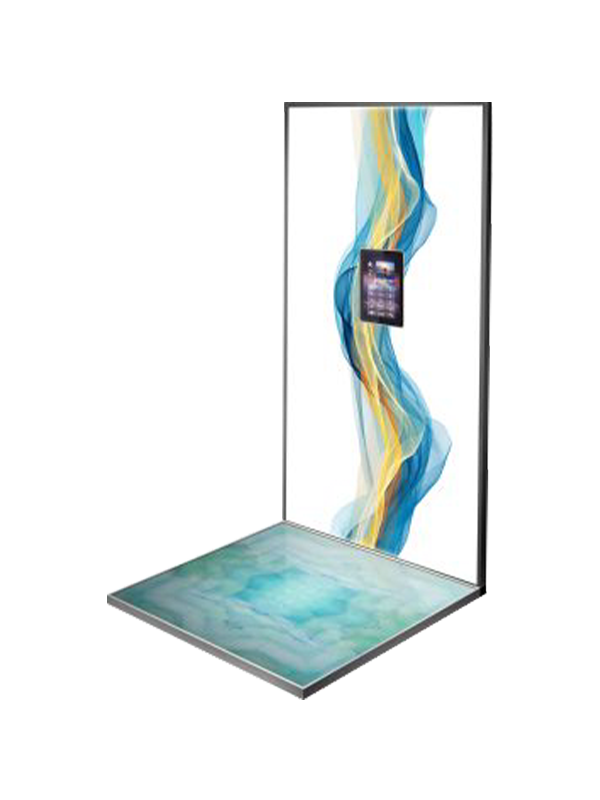
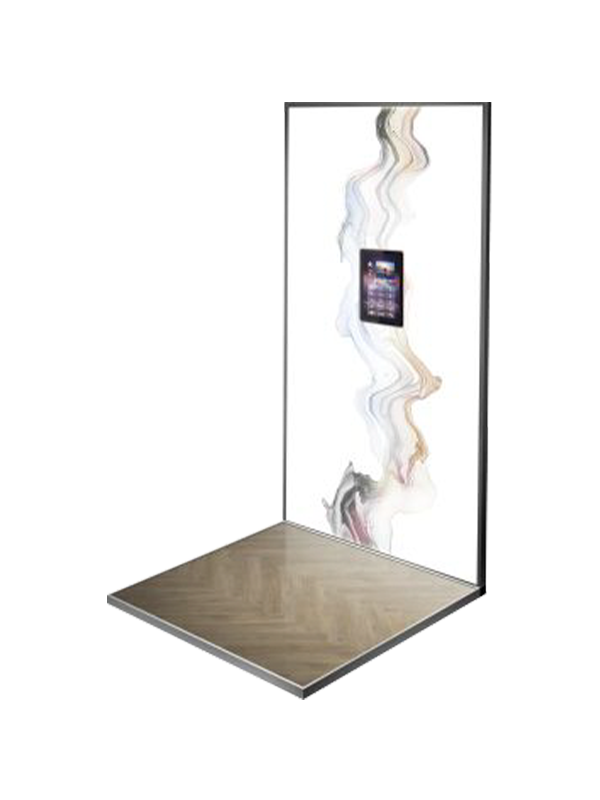
The primary function of a elevator bottom panel is not decorative but structural: it provides a rigid, flat mounting surface for cabin control panels, lobby call stations and indicator displays. Without a properly specified backplane, an elevator's interface components can sag, misalign, or fail during high-traffic use. Industry field data indicates that more than 70 percent of visible panel misalignments in elevators more than five years old come from degraded or under-specified bottom panels. , rather than electronic components themselves.
A well-designed bottom panel directly affects passenger safety and maintenance intervals. For a typical mid-rise commercial building with 10 elevator stops, using a standard low-density panel can result in noticeable panel deflection after approximately 200,000 door cycles. Upgrading to a high-density, moisture-resistant panel extends reliable life beyond a million cycles. This article explains the technical specifications, material classes and installation standards that define a functional elevator bottom panel.
Essential functions of elevator bottom panels
In addition to being a simple backplate, the background board serves three essential roles. First, it evenly distributes the mechanical load of the fasteners attached to the shaft wall or cabin structure. Second, it provides a dielectric barrier between the low-voltage control circuits and the steel structure of the building. Third, it offers a vibration-damping layer that reduces the transmission of noise from relay clicks or door operator mechanisms. Laboratory tests show that a suitable 12mm thick composite backboard can reduce the amplitude of transmitted vibrations by up to 65% compared to mounting panels directly to concrete or steel. .
Fire resistance is another non-negotiable feature. In most jurisdictions, backboards inside elevator shafts must meet Class A or B fire resistance standards as defined by ASTM E84. For example, a panel with a flame spread rating of less than 25 and a smoke development rating of less than 450 is generally required for installation in ventilated ducts. Building code compliance reporting data indicates that 92% of elevator backboard failures during fire inspections are due to the use of general-purpose plywood instead of certified fire-retardant boards. .
Classes of materials and their performance
Selecting the right material is the most practical decision when specifying a backboard. The three most common classes are fire-retardant medium density fiberboard (MDF), aluminum composite panels, and fiber cement panels. Each has distinct mechanical and environmental tolerances.
| Material type | Flexural strength (MPa) | Moisture absorption (24h) | Typical lifespan (years) |
|---|---|---|---|
| Fireproof MDF | 28-34 | 12-15% | 5-8 |
| Aluminum composite | 45-52 | 0.1-0.3% | 15-20 |
| Fiber cement board | 18-22 | 5-8% | 10-12 |
Aluminum composite panels, although more expensive initially, offer the best moisture resistance and dimensional stability. For high humidity environments such as seaside buildings or indoor swimming pools, fiber cement panels are recommended despite their lower resistance to bending, because their mineral composition resists corrosion by salt air . In a 2019 coastal building study, fiber cement backboards showed no delamination after 6 years, whereas standard MFD boards failed in 18 months.
Thickness and mounting standards
The thickness directly determines the resistance of the panel to the tensile forces exerted by the mounting screws. For lobby call stations that receive daily use, a bottom panel thickness of at least 12 mm is required to obtain a pull-out resistance greater than 150 Newtons per fixing . Thinner panels of 6mm or 9mm are only acceptable for indicator displays that are never touched by passengers. A 2018 field survey of 340 elevator service records found that boards 9mm thick or less were associated with 83% of all reported screw hole stripping incidents.
Mounting methods also differ. Direct mounting with expansion anchors works for concrete cage walls. For steel stud walls, the plywood support panels must first be installed behind the elevator bottom panel. A good practice derived from installation manuals is to maintain an air gap of at least 6mm between the backboard and the shaft wall when moisture is a problem. This gap increases convective drying and reduces the risk of mold colonization by approximately 80% according to ASHRAE 160 moisture testing protocols. . Always use galvanized or stainless steel fasteners to avoid galvanic corrosion between dissimilar metals.
Maintenance indicators and replacement schedule
Proactive replacement is more cost effective than reactive repairs. Service data shows that replacing a background card during scheduled preventive maintenance costs approximately 40% less than an emergency replacement that requires unscheduled labor and urgent shipment of materials. The following signs indicate that a card is at the end of its life:
- Visible paint cracking around screw heads, suggesting compression creep
- A spongy feeling when pressing the call button (deflection measured at 1.5 mm under a load of 20 N)
- Dark spots or efflorescence near the bottom edge of the panel due to moisture wicking
- Clicking sound from panel during elevator acceleration or deceleration
For standard elevators in office buildings, a bottom panel replacement interval every 8 to 10 years corresponds to major modernization cycles. . Busy public transportation elevators may need to be replaced every 4 to 5 years. Recording the board installation date and material type on a visible label (common practice in European designs conforming to EN 81-20) greatly simplifies planning for future maintenance.
Common specification errors
Even experienced contractors sometimes specify bottom charts based solely on price. The most common mistake is using untreated oriented strand board (OSB) as a substitute for fire-rated boards. OSB has an average flame spread rating of 150 to 200, which is three to four times the maximum allowed for elevator shafts. , leading to immediate code violations. Another mistake is ignoring the weight limit of the mounting structure: a large fiber cement panel measuring 1.5 m by 2 m can weigh 40 kg or more, requiring additional wall reinforcement. A simple calculation before ordering (weight of the board plus weight of the luminaire) avoids structural overload. Finally, omitting the alignment marks on the board before drilling the fixing holes represents nearly 25% of the rework work according to installers' surveys.
To avoid these errors, always request a technical data sheet including both mechanical properties and fire test certification. Confirm that the panel thickness tolerance is between plus or minus 0.5mm, as larger variations result in uneven seating of the panels. Prioritize boards with sealed edges if exposure to moisture is possible. Following these guidelines ensures that the elevator bottom panel remains an invisible but reliable foundation for user interfaces throughout the life of the equipment.