

 English
 عربى
عربى Deutsch
 Español
 Français
 русский
 日本語
日本語 简体中文
简体中文Content
- 1 What Are Elevator Background Boards?
- 2 How Background Boards Shape the Passenger Experience
- 3 Material Options and Their Design Implications
- 4 Design Customization for Different Building Types
- 5 Installation Methods and Structural Safety
- 6 Fire Safety and Regulatory Compliance
- 7 Maintenance Requirements by Material
- 8 Replacement, Modernization, and Long-Term Value
What Are Elevator Background Boards?
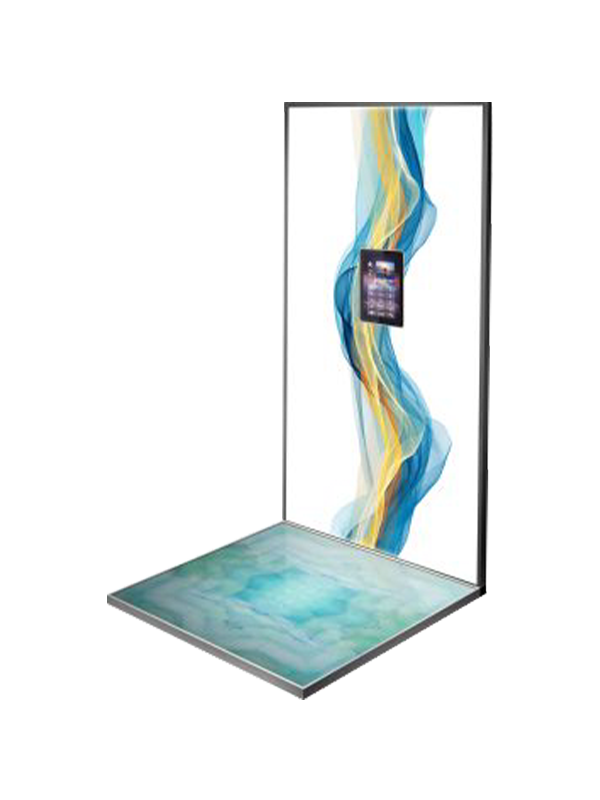
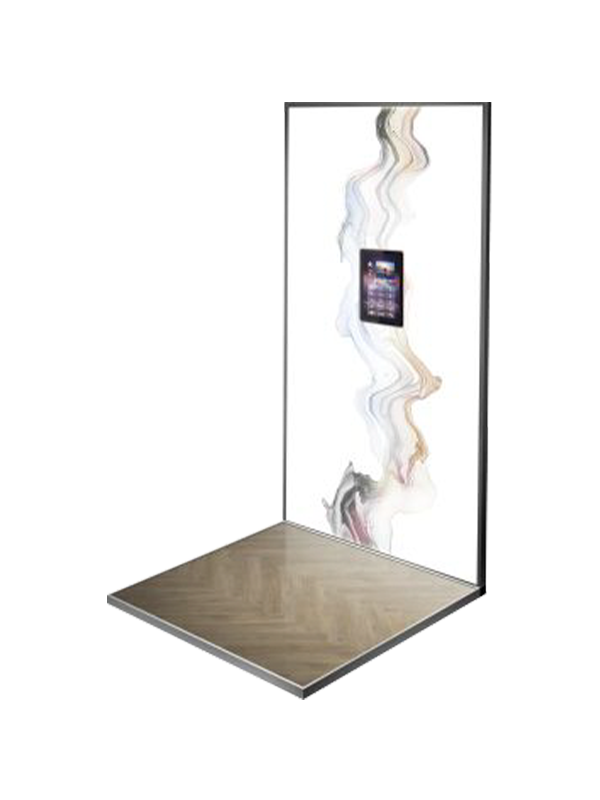
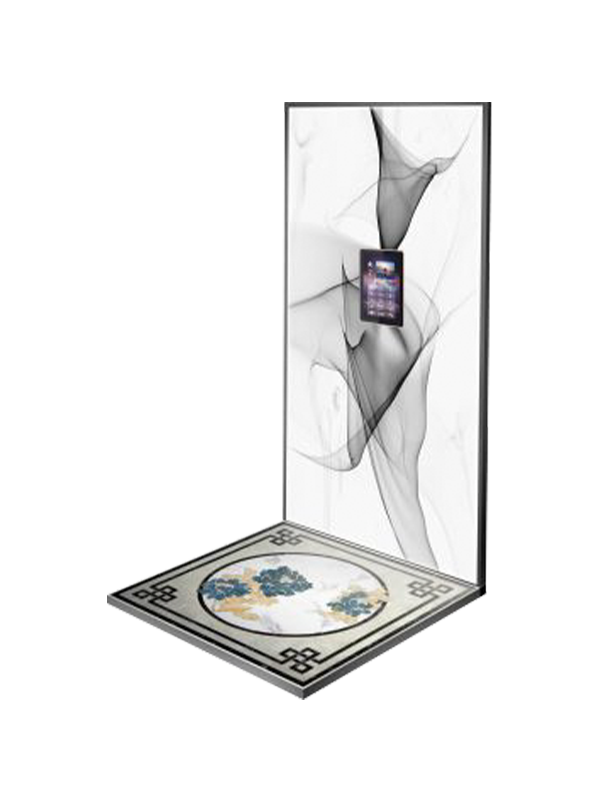
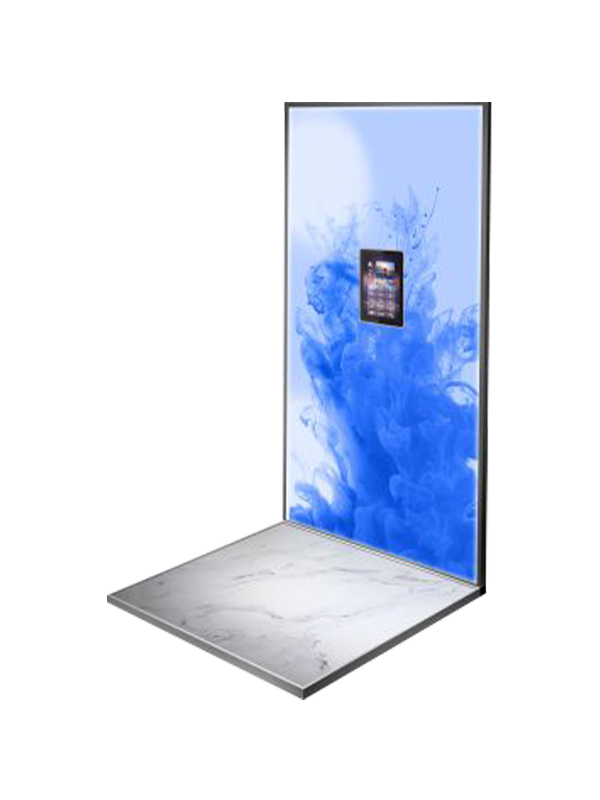
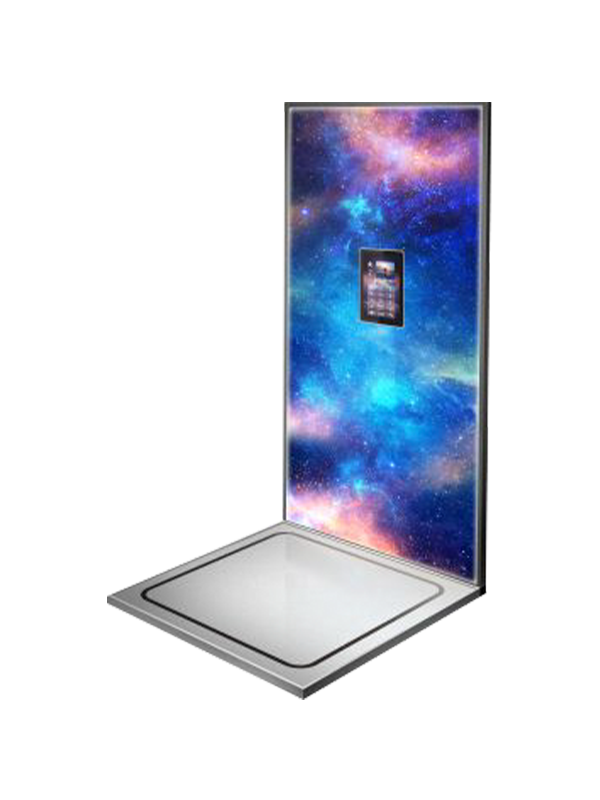
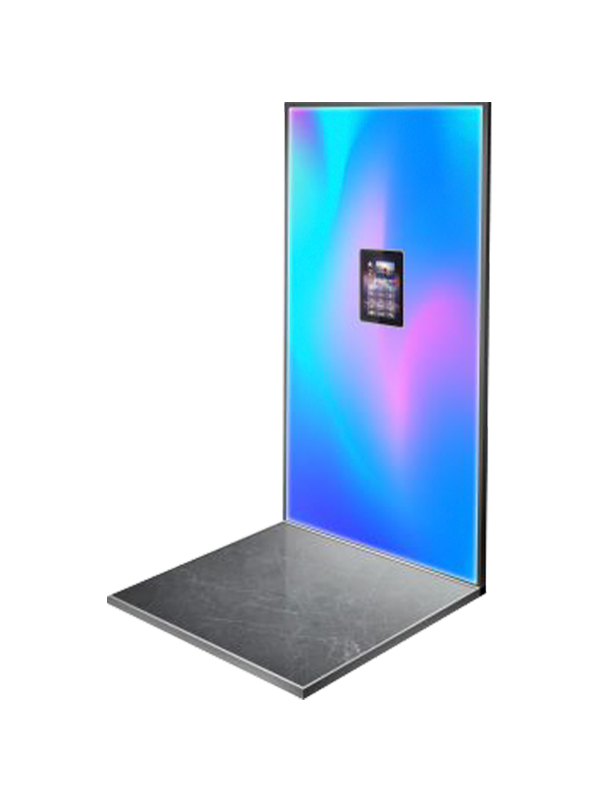
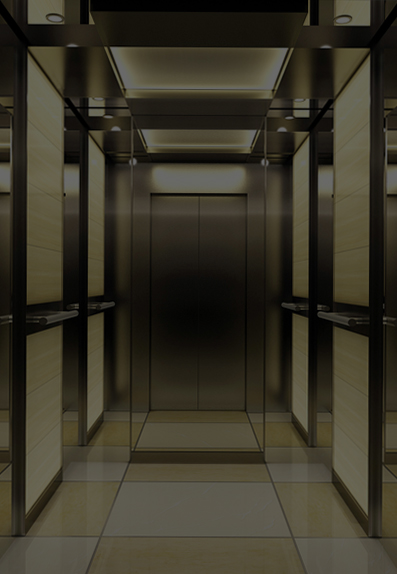
An elevator background board—also called a rear wall panel or back panel—is the decorative and structural panel installed on the inner rear wall of an elevator car. Its role extends well beyond aesthetics: the board protects the cabin's structural wall, supports mounted components such as handrails and control panels, and creates a cohesive interior environment that shapes how passengers perceive the entire ride.
These panels typically range from 2,000 mm to 2,800 mm in height and are custom-fabricated to match each elevator car's exact dimensions. When chosen and installed correctly, a background board transforms a bare metal or concrete surface into a polished design feature that reflects a building's character and commitment to quality. Explore our full range of elevator background boards to find the right fit for your project.
How Background Boards Shape the Passenger Experience
Passengers spend only seconds inside an elevator, yet the interior leaves a lasting impression. Color, texture, and reflectivity influence how occupants perceive the size, cleanliness, and comfort of the space. A well-coordinated background board—matched with ceiling panels, flooring, and lighting—delivers a unified interior that immediately communicates quality and care.
Beyond visual impact, background boards contribute to noise reduction by dampening vibrations generated during vertical movement, a benefit especially valued in residential villa elevators. In commercial settings with heavy daily traffic, the choice of surface material directly determines how long that first impression holds up under constant use.
Material Options and Their Design Implications
Material selection is the most consequential decision in elevator background board planning. Each option carries a distinct combination of durability, maintenance requirements, aesthetic range, and price point.
Stainless Steel Panels
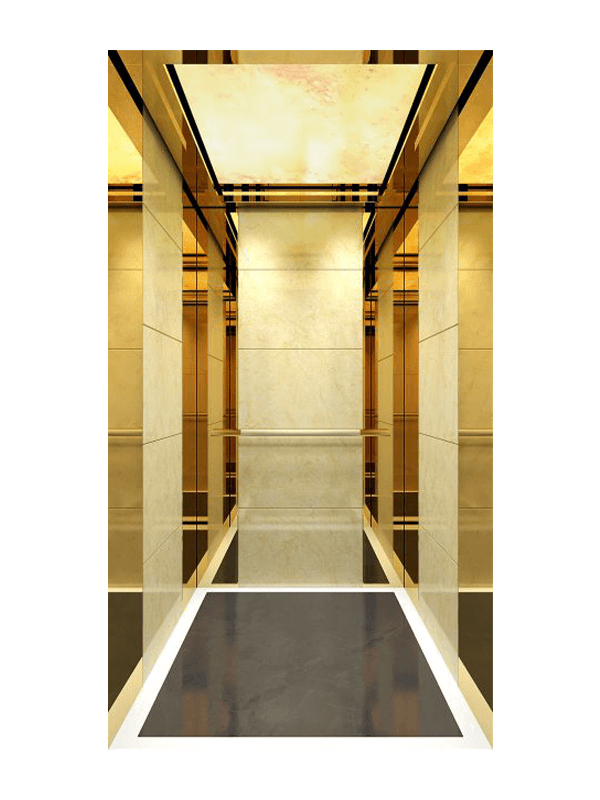
Stainless steel is the most widely adopted choice in commercial buildings, hospitals, and hotels. Grade 304 stainless steel is the industry standard, while Grade 316 provides superior corrosion resistance for coastal or high-humidity installations. Available in brushed, mirror, satin, and etched finishes, stainless steel panels adapt to virtually any architectural style. A typical panel costs between $200 and $600 depending on finish complexity, and with a service life of 20–25 years, stainless steel consistently delivers the lowest long-term cost per year of use.
Laminate and Wood Veneer
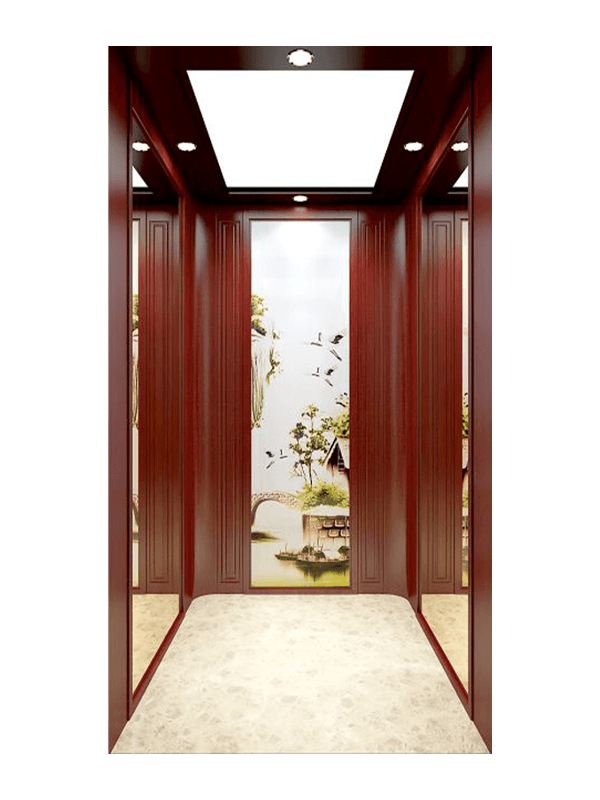
High-pressure laminate (HPL) and genuine wood veneer bring warmth and natural elegance that metals cannot replicate. These materials are popular in residential buildings, luxury hotels, and executive office elevators. Quality laminate panels are priced at roughly $150–$400 per panel, while genuine wood veneer ranges from $300 to $800. Their typical service life of 10–15 years makes them a practical mid-tier investment when paired with proper edge maintenance and annual inspections.
Glass and Mirror Panels
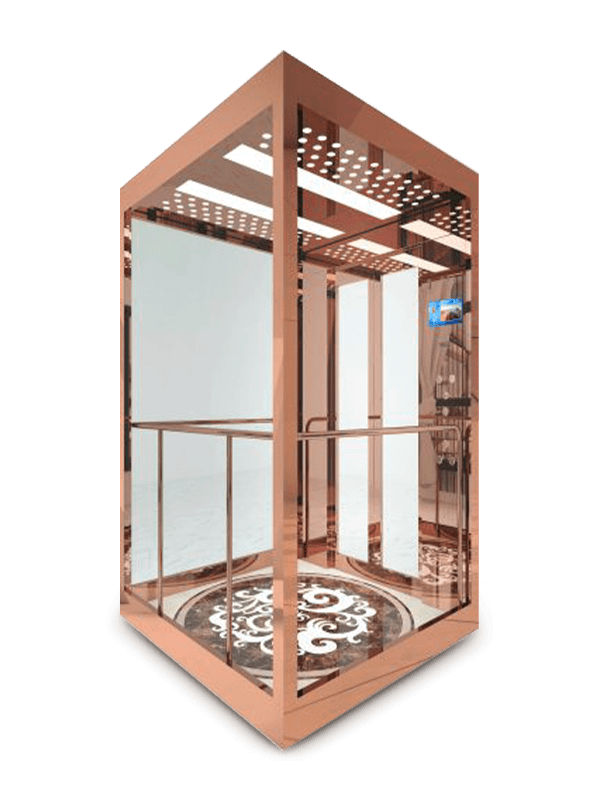
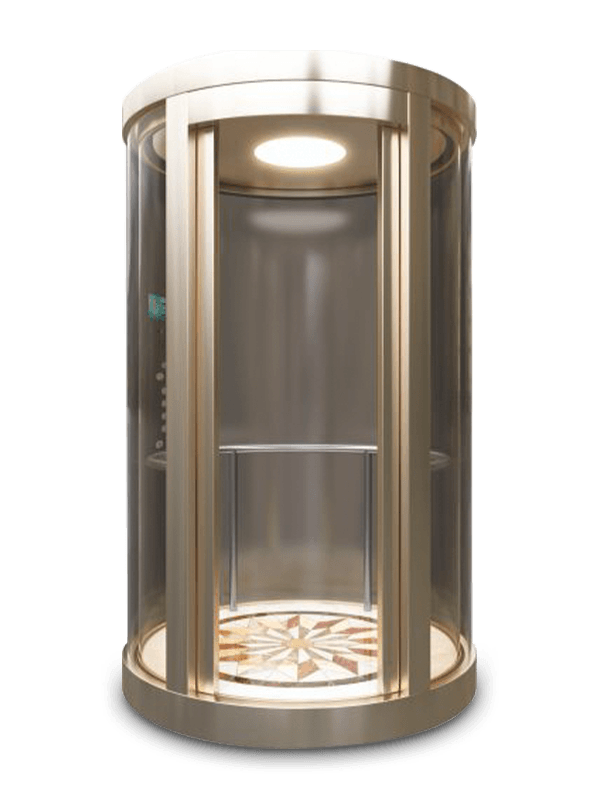
Tempered safety glass—standardly 8–12 mm thick—creates a perception of expanded space, an especially useful effect in compact elevator cabins. When combined with LED backlighting, glass boards deliver dramatic visual depth. Installation costs range from $400 to $1,000 per panel, and glass panels typically last 15–20 years with regular cleaning. These are the preferred choice for panoramic elevators and high-end commercial lobbies where visual impact is a priority. Browse our elevator car decoration series for glass and premium panel combinations.
| Material Type | Durability | Maintenance Level | Typical Lifespan | Approx. Panel Cost |
|---|---|---|---|---|
| Stainless Steel | Excellent | Low | 20–25 years | $200–$600 |
| Laminate / Veneer | Good | Medium | 10–15 years | $150–$800 |
| Glass / Mirror | Good | High | 15–20 years | $400–$1,000 |
| Stone / Composite | Excellent | Low | 20+ years | Varies |
Design Customization for Different Building Types
Modern elevator background boards support extensive customization, enabling building owners to express brand identity or reinforce architectural themes throughout the vertical journey.
Corporate office buildings most commonly choose brushed stainless steel or wood veneer with restrained patterns, projecting reliability and professionalism. Luxury residential buildings frequently incorporate backlit onyx panels or mirror elements with decorative framing. Healthcare facilities favor antimicrobial stainless steel surfaces paired with soft, calming tones. Hospitality environments take the most creative latitude, incorporating bold patterns, custom-printed artwork, or locally inspired cultural motifs to create a memorable guest experience.
Surface treatment options include laser-etched or chemically etched patterns (which add roughly $50–$200 to panel cost), high-resolution digital printing on laminate substrates, three-dimensional textured embossing, and integrated LED edge or back lighting. For full-cabin coordination, consider pairing background boards with complementary elevator car decoration accessories.
Installation Methods and Structural Safety
Correct installation is as important as material choice. Background boards are typically fitted after the cabin frame is secured and electrical wiring is complete. Three primary mounting approaches are used depending on panel weight and material:
- Adhesive mounting — structural adhesives rated for elevator vibration, suitable for lightweight laminate or thin metal panels
- Mechanical fastening — concealed brackets, clips, or screws anchored to the elevator car frame, preferred for heavier glass or composite panels
- Modular track systems — aluminum channels that allow individual panels to be swapped without dismantling adjacent components
Weight is a critical variable. A standard 2,400 mm × 1,200 mm stainless steel panel weighs approximately 25–35 kg, while glass panels of similar dimensions can reach 40–60 kg. Installers must confirm that cumulative panel weight stays within the elevator's rated capacity. Mounting systems are required to withstand at least five times the panel weight without failure under ASME A17.1 (North America) or EN 81 (Europe) standards. All panels must meet Class A or B flame-spread ratings, and glass panels require lamination or safety backing to prevent shattering.
Fire Safety and Regulatory Compliance
Elevator background boards installed in public buildings must meet fire safety regulations covering flame spread, smoke density, and toxicity thresholds. In most jurisdictions, non-combustible or fire-retardant materials are mandatory. Compliance not only protects passengers but also simplifies inspection approval during building certification and reduces liability exposure for property owners.
Fire-rated boards are tested as complete assemblies—meaning the surface finish, adhesive layer, and panel core must collectively meet regulatory thresholds, not just individual components. Working with suppliers who provide full assembly certifications ensures that the installed system passes inspection without the need for costly rework. Our custom elevator solutions are engineered to meet international safety standards from the outset.
Maintenance Requirements by Material
Ongoing maintenance requirements vary significantly across material types and should be factored into the total cost of ownership from the start.
Stainless steel panels require weekly cleaning with microfiber cloths and pH-neutral cleaners to prevent fingerprint buildup and maintain surface luster. Annual maintenance costs are typically around $100 in cleaning supplies and labor. Laminate and wood veneer surfaces should be wiped with damp cloths and mild detergents, with annual inspection of edge banding to catch any delamination early. Glass and mirror surfaces demand the most frequent attention—daily or every-other-day cleaning in high-traffic installations—at an annual cost of roughly $150–$200. Using ammonia-free cleaners and lint-free cloths prevents surface degradation over time.
Replacement, Modernization, and Long-Term Value
Background boards are designed for eventual replacement without full cabin teardown. Individual panels can be removed when surface damage, delamination, persistent discoloration, or design obsolescence warrants an update. The replacement process for a single elevator car typically takes 3–4 hours—manageable during off-peak hours or weekends to minimize operational disruption.
Modernization upgrades are increasingly common. Smart glass technology can convert background panels into information or wayfinding displays. Antimicrobial surface coatings—widely adopted since 2020—can reduce surface bacteria by up to 99.9%. Energy-efficient LED backlighting consumes less than 10 watts per panel while producing high visual impact, making it a cost-effective enhancement for any renovation project.
When evaluating total investment, long-term value matters more than upfront price alone. A stainless steel panel with a 20-year service life consistently outperforms lower-cost alternatives that require replacement in half the time. Selecting standardized panel dimensions further reduces lifecycle costs by simplifying future sourcing and minimizing elevator downtime during any future refresh. For tailored guidance, contact our team to discuss the right background board solution for your building.