

 English
 عربى
عربى Deutsch
 Español
 Français
 русский
 日本語
日本語 简体中文
简体中文Content
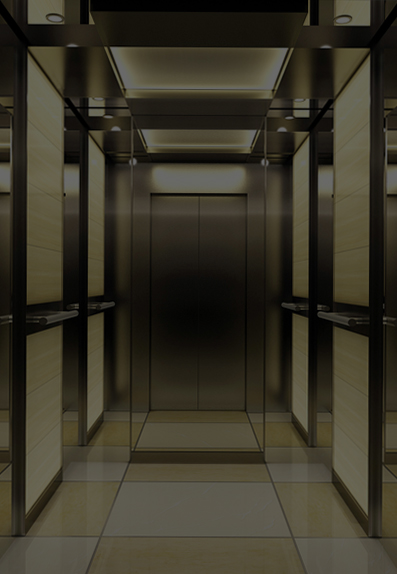
Most people step into an elevator, glance at the walls for half a second, and look away. That half-second is doing more work than you think. The surface they're looking at — the elevator background boards lining the rear and side walls — determines whether a cabin feels cheap, clean, or genuinely impressive. Getting this choice right matters more than most building owners realize.
What Elevator Background Boards Actually Do
A background board isn't just a decorative skin. It's a structural layer that carries handrails, control panels, mirrors, and lighting fixtures. It absorbs daily contact, cleaning chemicals, and the vibration of movement without warping or discoloring. In high-traffic commercial buildings, that durability is non-negotiable.
There's a functional dimension that often gets overlooked: modular background boards make maintenance dramatically cheaper. When a surface gets scratched or dented, you replace a single panel rather than ripping out the entire cabin interior. That difference alone — one panel versus a full refurbishment — can justify the cost of quality boards several times over.
In villa and residential settings, background boards also dampen vibration noise during movement, contributing to a quieter, smoother ride experience.
The Four Materials Worth Knowing
Material selection is where most buyers get stuck. Here's a clear breakdown:
- Stainless Steel — The default choice for commercial buildings, hospitals, and hotels. Grade 304 handles standard environments well; Grade 316 is the right call for coastal locations or anywhere humidity is persistently high. Brushed, mirror, etched, and hairline finishes each read differently in light, so order physical samples before committing. Stainless panels typically run $200–$600 per panel depending on finish complexity.
- High-Pressure Laminate (HPL) — Offers extensive color and pattern options at a lower price point ($150–$400 per panel). Popular in residential buildings, boutique hotels, and executive office environments where warmth and design flexibility matter more than raw impact resistance.
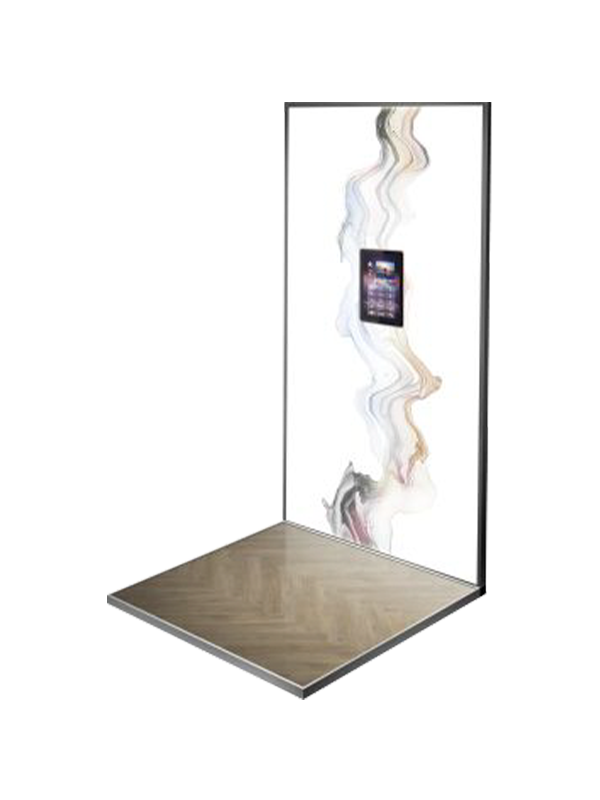
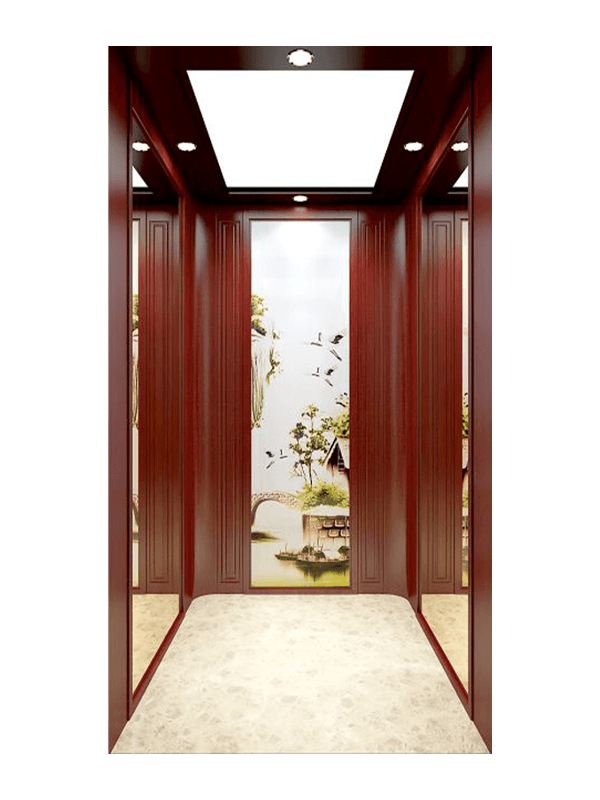
- Wood Veneer — Genuine wood veneer creates an unmistakable sense of warmth and craftsmanship. It requires more careful humidity management, which makes it better suited to villa elevators than high-traffic commercial cabins. Pairs exceptionally well with integrated LED lighting.
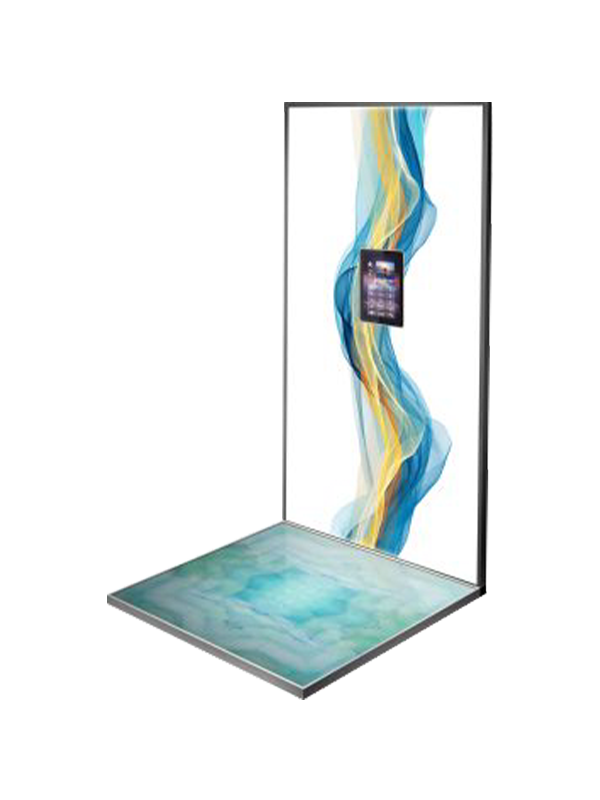
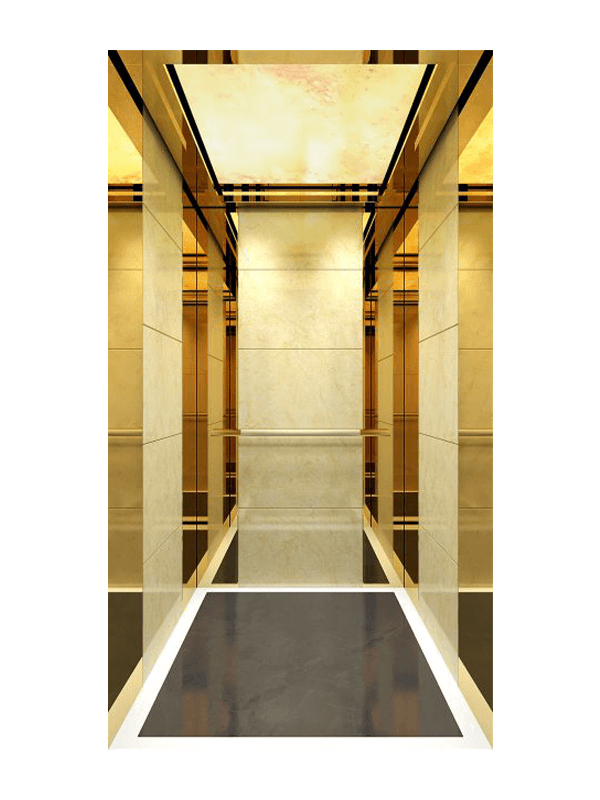
- Composite Panels — Engineered composites (including aluminum composite and stone-effect laminates) offer a middle path: visual impact comparable to premium materials at reduced weight and cost. Imitation marble finishes, for example, have become popular in passenger elevators where the full elegance of real stone isn't practical.
For a deeper look at how these materials perform across different installation contexts, the materials and performance optimization guide covers real-world trade-offs in detail.
Fire Resistance and Safety: What the Standards Require
This is the part buyers sometimes skip until it's too late. Elevator interior materials are subject to fire resistance requirements under standards like EN 81-20 in Europe, which introduced stricter car interior decoration rules compared to its predecessor. In practice, this means background board materials must meet defined flame-spread and smoke-emission limits — not every attractive material on the market qualifies.
Always request fire certification documentation from your supplier before purchase. A board that looks identical to a compliant panel but lacks proper certification creates liability exposure and may fail a building inspection. Stainless steel and certified HPL panels are generally the safest choices for meeting these requirements across most markets.
Matching Boards to Building Type
The right material depends on where the elevator lives and who uses it.
For commercial and high-traffic environments — office towers, hospitals, retail centers — prioritize impact resistance and ease of cleaning. Brushed stainless steel or certified HPL with anti-fingerprint coatings are the practical leaders. Avoid genuine wood veneer in these contexts; daily contact and cleaning chemicals will degrade it faster than the investment justifies.
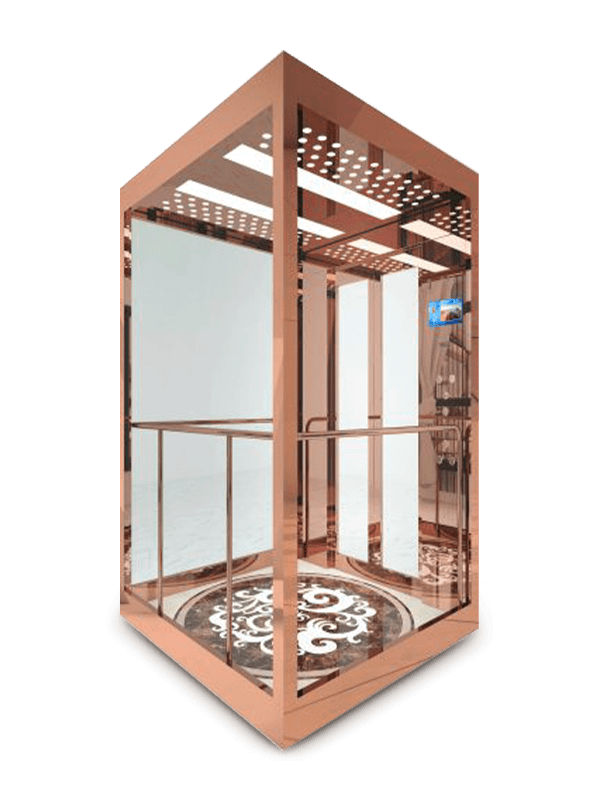
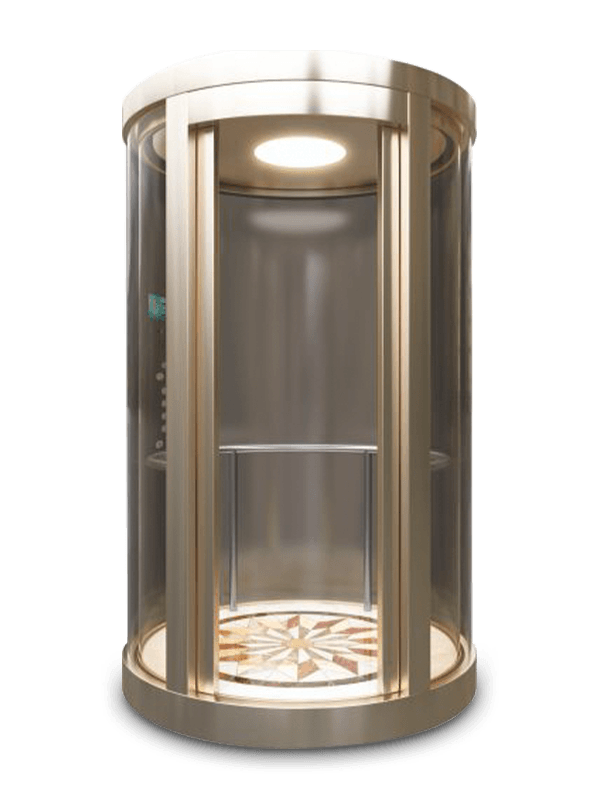
For villa and luxury residential elevators, the calculus flips. Here, the elevator is part of the home's interior design language. Wood veneer, rose gold stainless accents, etched patterns, and custom imitation marble surfaces can all work because passenger volume is low and the aesthetic return is high. Explore the full range of villa elevator car decoration series to see how these materials combine in practice.
Humidity is a separate consideration for both contexts. Coastal properties and basement-level installations need materials with moisture-resistant cores. Standard HPL and marine-grade stainless handle this well; untreated wood veneer does not.
Installation: Where Things Go Wrong
Background boards are typically mounted using a clip-and-rail system or direct mechanical fastening. The clip approach — where panels slot into a wall-mounted track — enables the modular replacement benefit described earlier. Direct fastening is faster to install but makes future panel swaps more disruptive.
Three installation errors come up repeatedly in practice. First, failing to account for thermal expansion: metal panels expand and contract with temperature changes, and boards installed too tightly against each other will buckle over time. Second, using incorrect fasteners: stainless panels require stainless fasteners; mixing metals accelerates corrosion at contact points. Third, skipping panel-to-panel alignment checks during installation, which creates visible gaps that are difficult to correct without removing and restarting a section.
If you're evaluating suppliers for a villa project, the custom elevator design and configuration service allows you to specify material, finish, and mounting system together — which reduces the risk of component mismatches at installation.
Maintenance That Extends Panel Life
Stainless steel panels should be cleaned with a pH-neutral cleaner and wiped in the direction of the grain to avoid micro-scratching. Avoid abrasive pads and chlorine-based cleaners, which cause surface pitting over time. HPL panels are more forgiving — most marks wipe off with a damp cloth — but strong solvents can dull the surface coating.
For any panel type, the single most effective maintenance practice is routine inspection for loose fasteners. A panel that vibrates slightly during movement will eventually develop surface cracks at the mounting points. Catching and tightening loose fixings early extends panel life significantly and prevents the kind of damage that requires full replacement.
The Decision That Lasts Longest
Elevator background boards are one of those building components that get chosen once and then lived with for ten to fifteen years. A panel that looked acceptable in a catalog photograph but delivers poorly in daily use — collecting fingerprints, discoloring under UV, or failing to stay flat in a humid environment — costs far more in replacement and reputation than a more considered original choice would have.
The decision framework is straightforward: match material to environment and traffic, verify fire certification, specify a mounting system that supports future replacement, and inspect regularly. Done right, the elevator interior becomes one of the quietest, most consistent contributors to the building's overall impression — which is exactly what it should be.