

 English
 عربى
عربى Deutsch
 Español
 Français
 русский
 日本語
日本語 简体中文
简体中文Content
Why Villa Elevator Car Decoration Matters More Than You Think
The residential elevator market was valued at $78.5 billion in 2024 and is projected to reach $114.1 billion by 2033. As villa elevators move from rare luxury to expected standard, the cabin interior has become the one element that separates a forgettable installation from a truly memorable one. The car is where every passenger spends the most time — and it shows.
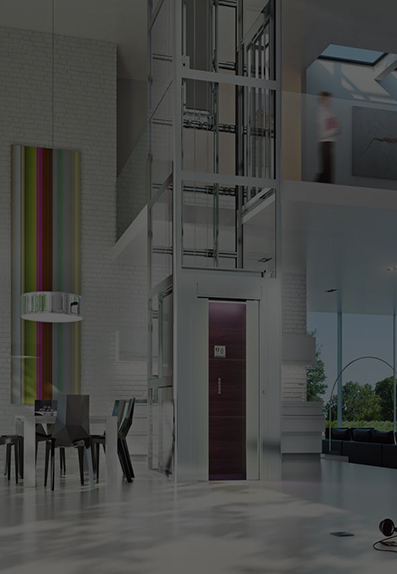
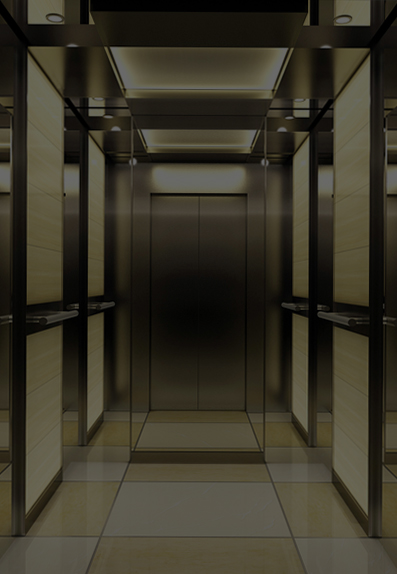
Villa elevator car decoration covers everything inside the cab: wall panels, ceiling, flooring, handrails, lighting, doors, and controls. Done well, it reads as a seamless extension of your home's architecture. Done poorly, it looks like a steel box dropped into an otherwise refined space.
The 4 Core Materials and Where Each One Works Best
Material choice drives long-term satisfaction more than any other single decision — it affects both how the car looks on day one and how it holds up after ten years of daily use.
- Stainless Steel — The most durable option. Resistant to corrosion, easy to wipe clean, and available in mirror, brushed, rose gold, black titanium, or etched-pattern finishes. Ideal for contemporary and transitional interiors. Products like the stainless steel elevator cabin decoration series offer a refined metallic finish that holds its appearance under heavy use.
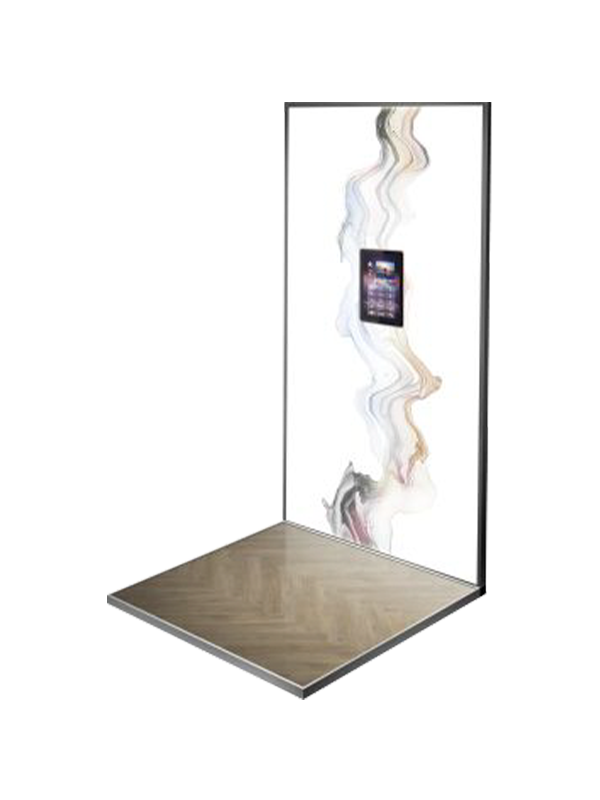
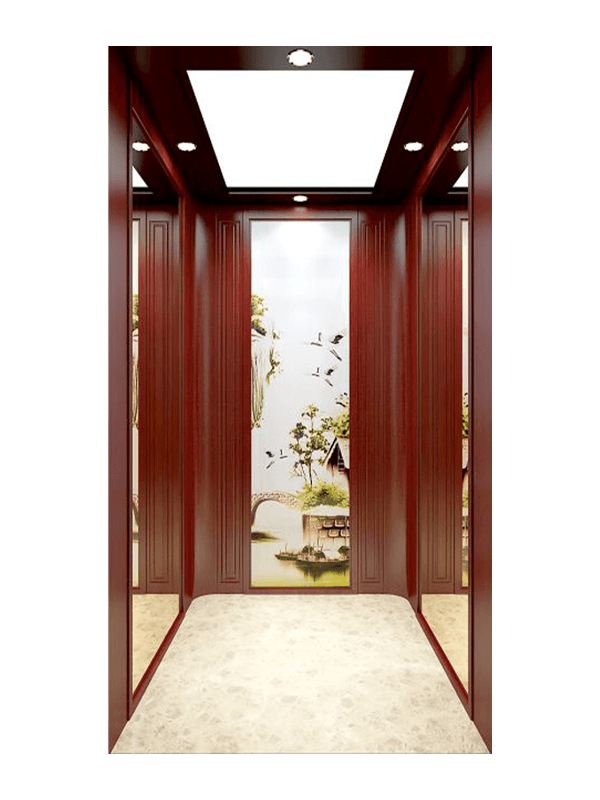
- Engineered Wood Grain — The top choice for warmer, more traditional or Japandi-style villas. Panels like the woodgrain elevator car interior deliver the richness of natural wood without the warping risk of solid timber in an enclosed, temperature-variable shaft environment.
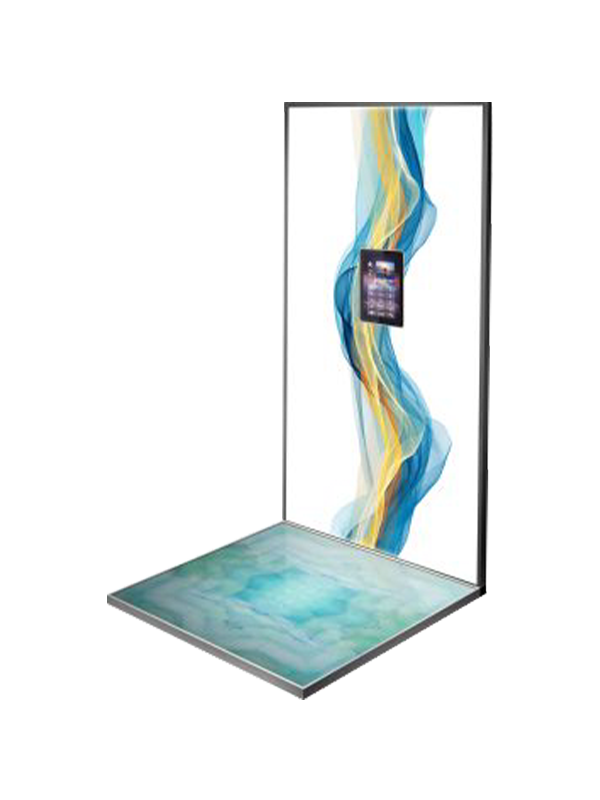
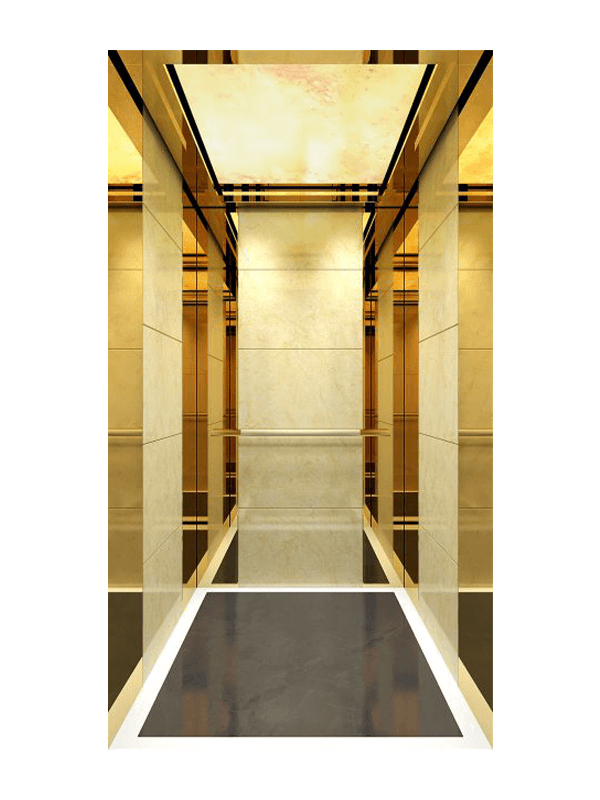
- Imitation Marble — Delivers the grandeur of stone at a fraction of the weight and cost. High-quality laminate or composite panels replicate veining convincingly, and they resist scratches better than natural marble. The imitation marble passenger elevator interior is a practical choice for homeowners who want the classic luxury look without structural load concerns.
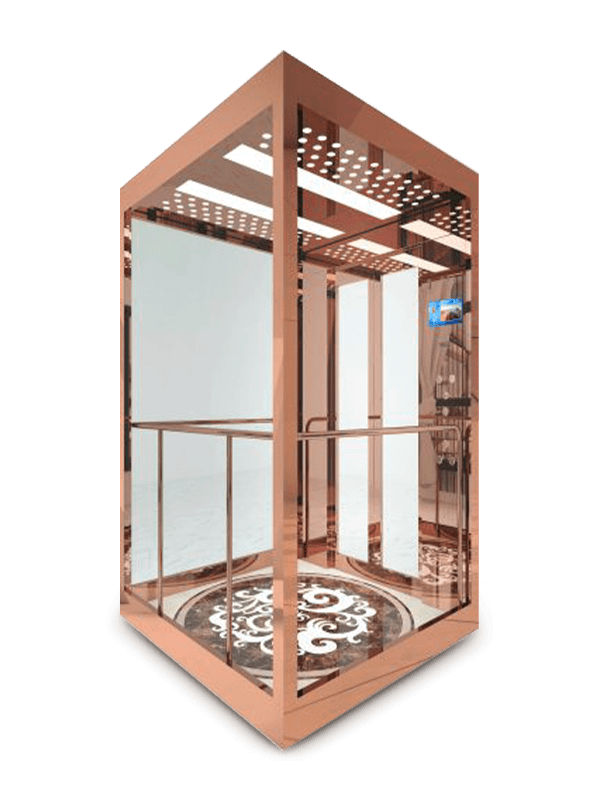
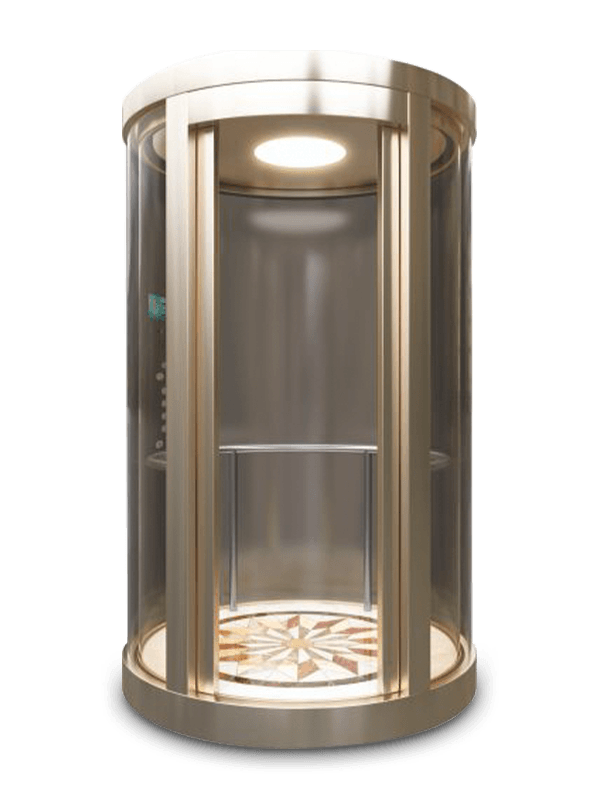
- Glass — Best for sightseeing or panoramic configurations where the surrounding space is architecturally attractive. Tempered or laminated glass panels flood the cabin with natural light and visually double the perceived size. Most effective when paired with metal frames and subtle LED accents.
Matching the Cabin to Your Interior Style System
The most common mistake in villa elevator decoration is selecting individual finishes without first defining a coherent style system. Experienced designers always lock in the visual language first — then choose products that express it.
| Style | Wall Material | Finish Tone | Key Detail |
|---|---|---|---|
| Modern Minimalist | Brushed stainless or matte panel | Cool neutral | Recessed lighting, clean lines |
| Luxury Classic | Imitation marble or rich panel | Warm gold | Rose gold trim, layered ceiling |
| Natural Warm | Woodgrain or wood veneer | Warm brown | Warm LED strips, timber handrail |
| Panoramic / Sightseeing | Full or partial glass | Transparent | Aluminum frame, view-focused |
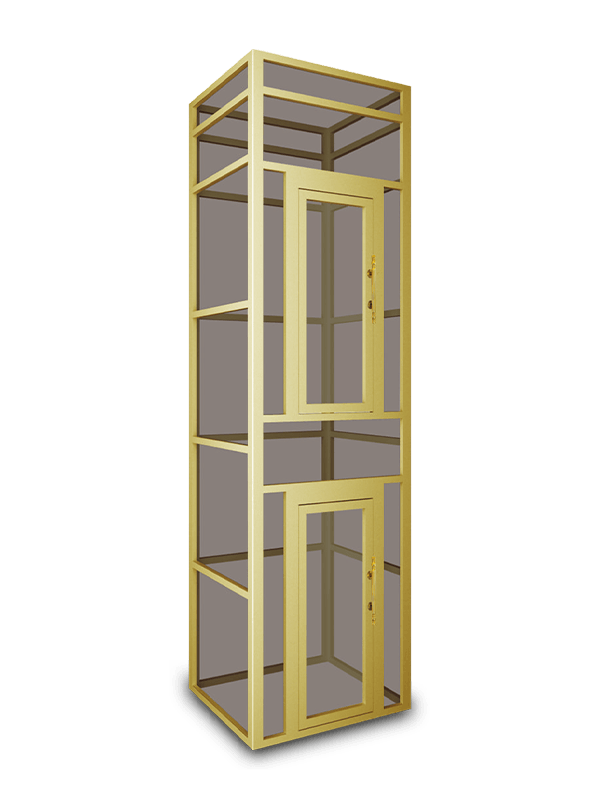
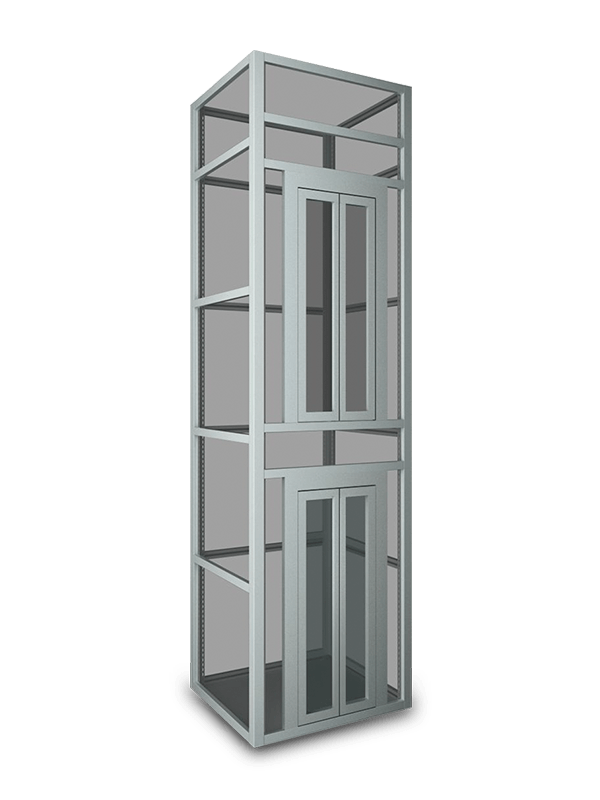
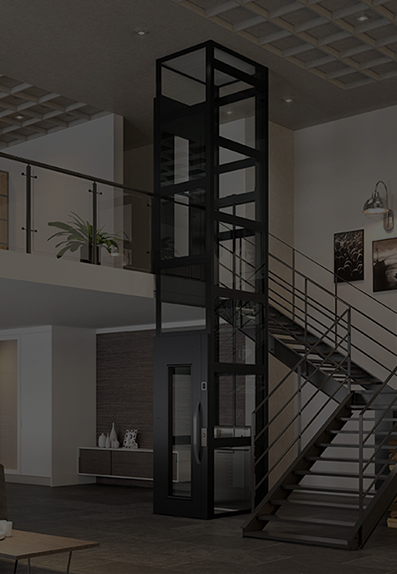
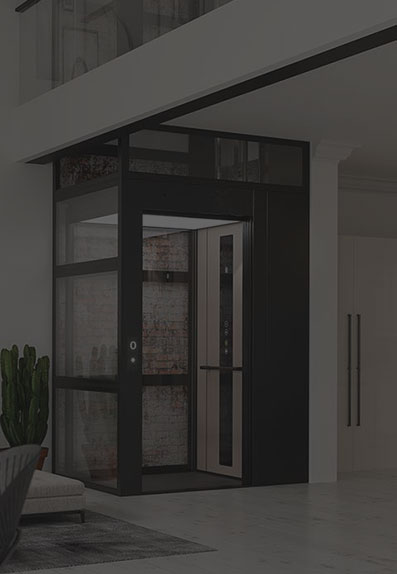
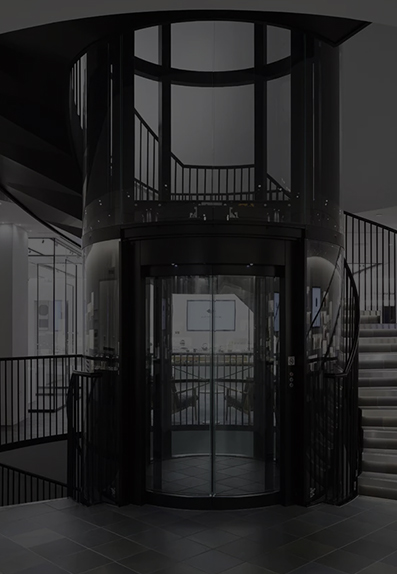
The luxury decoration passenger elevator cabin and the panoramic passenger elevator decoration are representative of how dramatically style-matched cabins differ in character — each is suited to a specific interior language, not interchangeable.
The Components Most People Overlook
Wall panels get most of the attention, but three other elements determine whether the finished result feels cohesive or assembled from separate decisions.
Landing doors. The doors are visible from the hallway on every floor, making them part of the villa's interior before a passenger even enters the cabin. Coordinating the landing door finish — whether rose gold stainless, champagne gold, or woodgrain — with the cabin walls ties the entire installation together. A mismatched door can undermine even the most carefully specified interior.
Ceiling and lighting. Diffused or indirect lighting is consistently preferred over direct overhead sources in residential installations. Warm LED strips along the edges of wooden panels create intimacy; a layered ceiling with recessed downlights adds height. The ceiling design also covers practical needs — ensuring the emergency rescue opening remains accessible and unobstructed, as required by installation codes.
Controls and interface. Touch-screen control panels, handrail-mounted selectors, and integrated control boxes are functional surfaces that passengers touch every single ride. Choosing a control interface that matches the cabin's finish — chrome in a minimalist steel cabin, brushed gold in a luxury classic interior — completes the design without drawing attention to itself.
Customization: What's Actually Possible
Unlike commercial elevators, which are specified for uniformity, villa elevator cabins can be fully customized to individual homeowner specifications — from engraved metallic trims and art glass inserts to monogrammed panels and bespoke color palettes matched to existing furniture. Most manufacturers work from provided samples or 3D visualization files, allowing homeowners to review the finished look before any fabrication begins.
The practical constraint worth knowing: decorative panels added to landing doors must stay within strict weight and thickness tolerances, because excess weight affects door motor performance and reliability. This is one reason prefabricated decoration systems — where panel thickness and weight are pre-engineered — outperform site-applied solutions over the long term.
Three Decisions That Carry the Most Weight
For anyone specifying villa elevator car decoration for the first time, these priorities consistently separate installations that age well from those that need costly rework within five years.
- Lock in the style system before choosing products. Define the visual language of your cabin — modern, classic, natural, or panoramic — then select materials and finishes that express it consistently. Choosing products first and hoping they cohere afterward rarely works.
- Prioritize material durability over visual novelty. A villa elevator runs daily for fifteen to twenty years. Finishes that degrade, scratch easily, or show fingerprints prominently will require maintenance or replacement well before the elevator's mechanical life ends. Brushed and etched stainless finishes hide wear better than mirror-polished surfaces; engineered wood grain outperforms solid timber in humidity-variable shafts.
- Treat the landing doors as part of the cabin, not separate from it. Coordination between the cabin interior and the door panel finish on every floor is what makes a villa elevator installation look deliberate rather than assembled. Budget for door decoration at the outset — retrofitting mismatched doors later is expensive and disruptive.