

 English
 عربى
عربى Deutsch
 Español
 Français
 русский
 日本語
日本語 简体中文
简体中文Content
What Are evator BackgroundEl Boards?
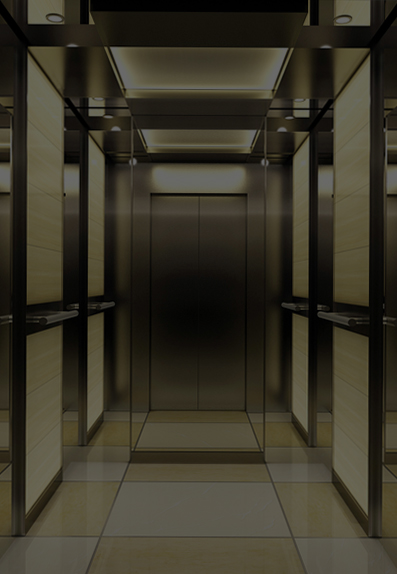
A passenger’s perception of a building often crystallizes in the few seconds they spend inside the elevator cab. Elevator background boards serve as the primary interior wall cladding that covers the structural panels of the lift car. These panels are not mere decoration—they define the visual atmosphere, influence perceived spaciousness, and directly impact long-term maintenance costs.
The term “background board” encompasses the flat or profiled sheets that line the cab walls. Originally standard painted steel, modern versions now include laminated metals, glass composites, and faux-stone finishes. In both new installations and retrofits, the board choice determines how well the cab withstands daily impact from luggage, trolleys, and moving equipment while keeping the interior looking fresh.
Because the boards sit in a highly tactile environment, specifications must balance three factors: surface hardness, cleanability, and design flexibility. A poorly chosen panel may scratch within weeks or create a cramped, uninviting space. Understanding the full range of options—from material composition to mounting method—lets architects and facility managers invest wisely.
Material Options That Define Performance
The substrate and finish of a background board dictate its lifespan and visual appeal. While cost often drives initial selection, lifecycle performance varies dramatically across the common material categories.
| Material | Durability | Weight | Design Versatility | Typical Cost Level |
|---|---|---|---|---|
| Stainless Steel (hairline/etched) | High | Medium | Moderate | Mid to High |
| Laminated HPL / Compact Laminate | Medium-High | Low | Very High | Mid |
| Glass (back-painted or textured) | High | High | High | High |
| Wood Veneer on Metal Substrate | Medium | Low-Medium | High | High |
| Aluminum Composite Panels | Medium | Low | Very High | Low to Mid |
| PVC / Polymer Wall Cladding | Low-Medium | Low | High | Low |
Stainless steel remains the benchmark for high-traffic commercial buildings. Its resistance to scratching and fire, combined with the ability to produce mirror, hairline, or etched patterns, sustains a premium look for decades. However, bare steel shows fingerprints easily, which is why many specifiers now request anti-fingerprint nanocoatings as part of the elevator interior background board order.

Compact laminates and high-pressure laminate (HPL) panels offer a lightweight alternative that mimics wood, stone, or solid colours without the weight penalty of real mineral materials. These boards are particularly popular in residential and hospitality lifts where warm aesthetics and rapid installation matter. The core material resists moisture and is easy to replace in segments, a distinct advantage during partial renovations.
Design Language and Cabin Atmosphere
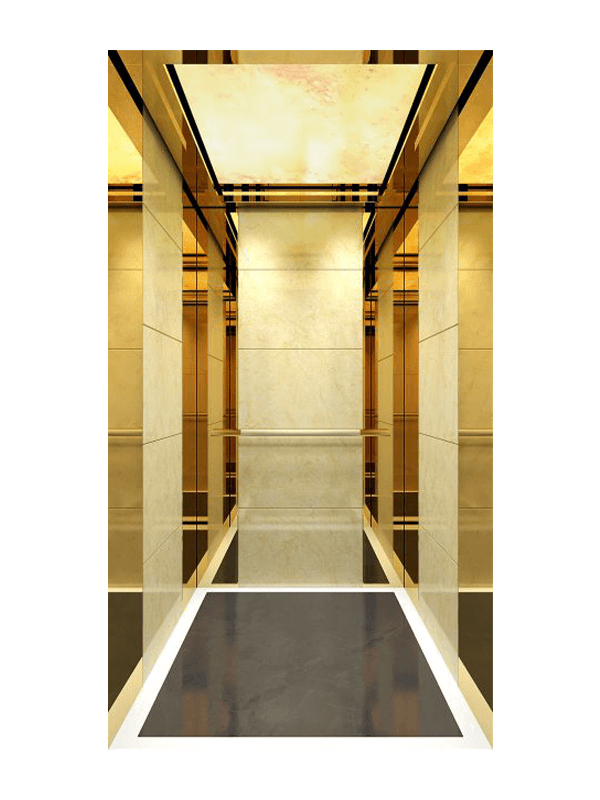
Background boards do more than cover screws; they create the cabin’s entire visual envelope. The interplay of colour, texture, and light reflection can make a small elevator feel expansive or a large one feel intimate. Light-coloured glossy boards, for example, can increase perceived spaciousness by up to 15% in passenger surveys, while dark matte panels lend a calm, executive tone but may make the cab feel narrower.
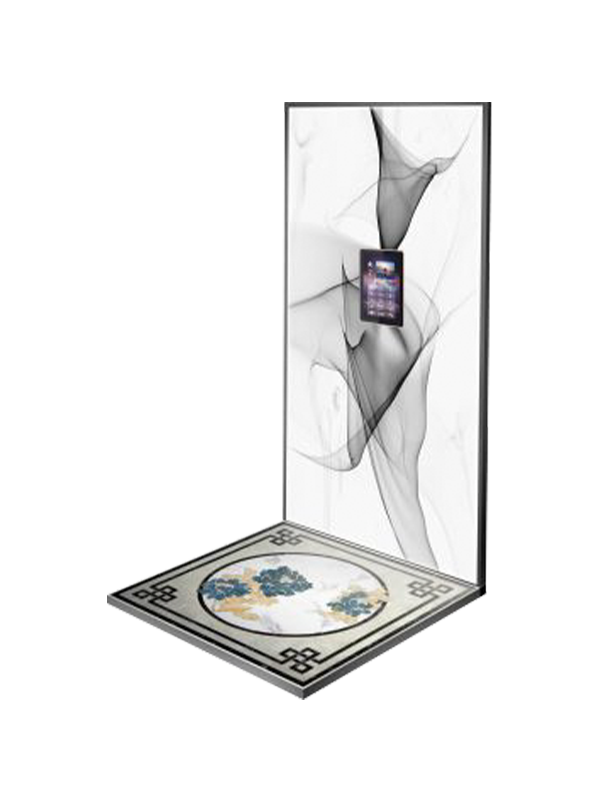
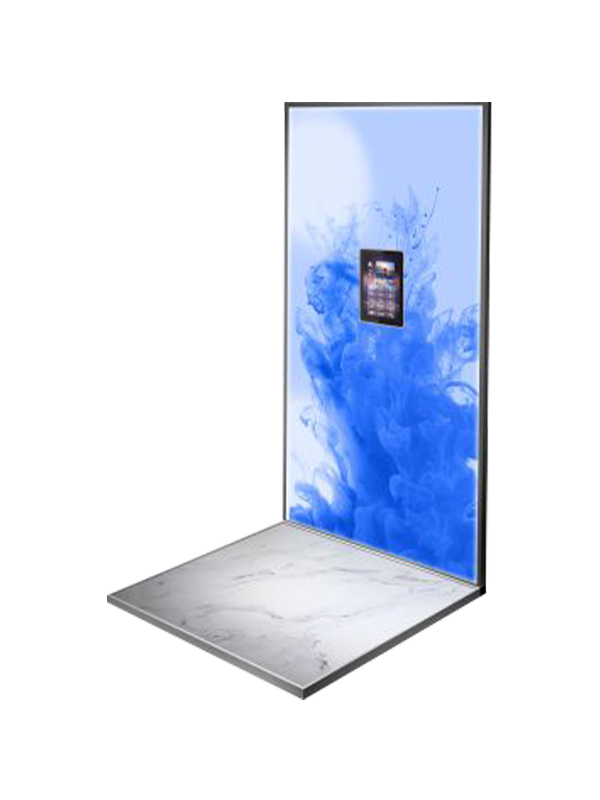
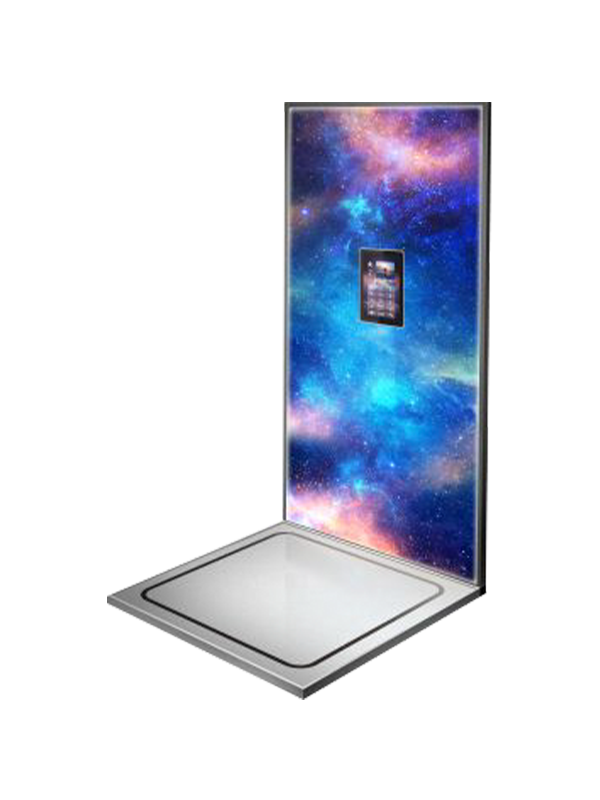
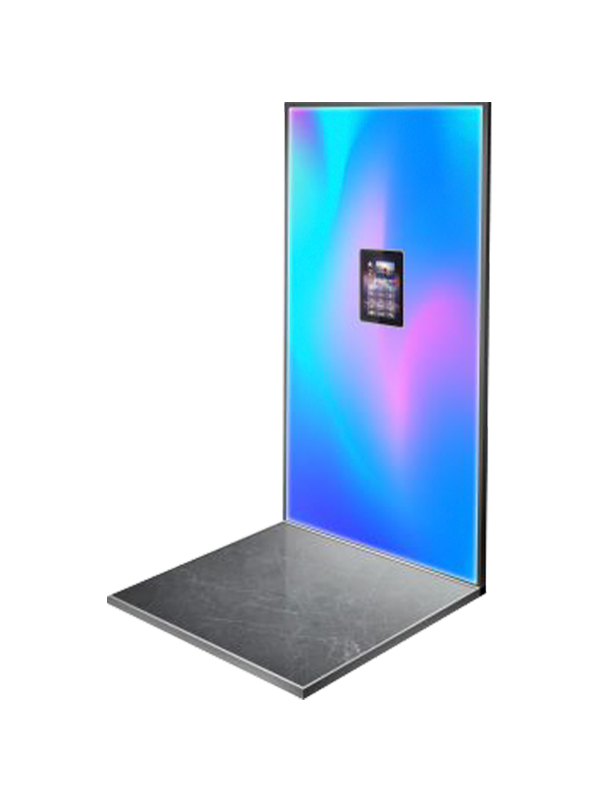
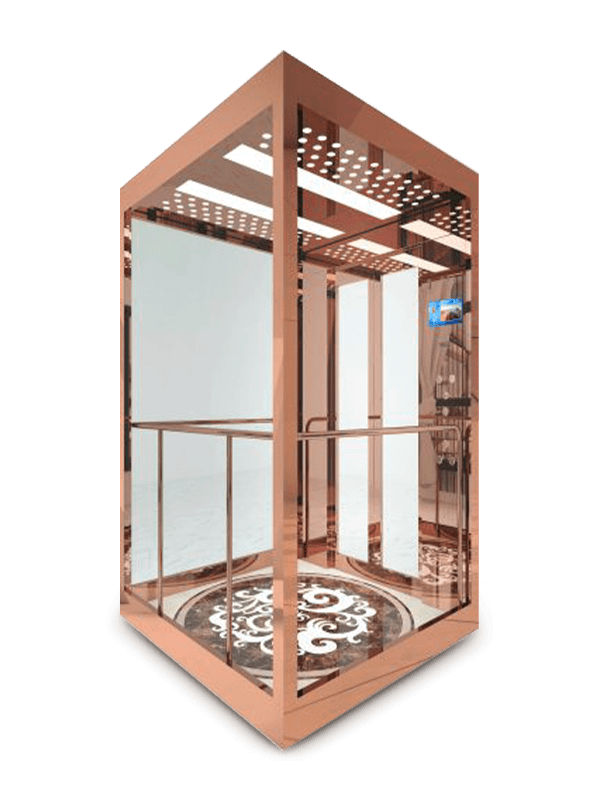
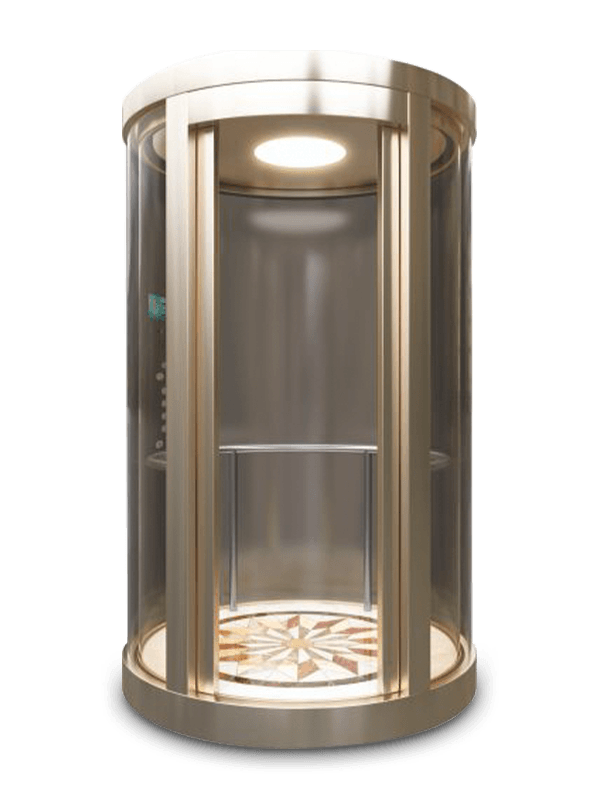
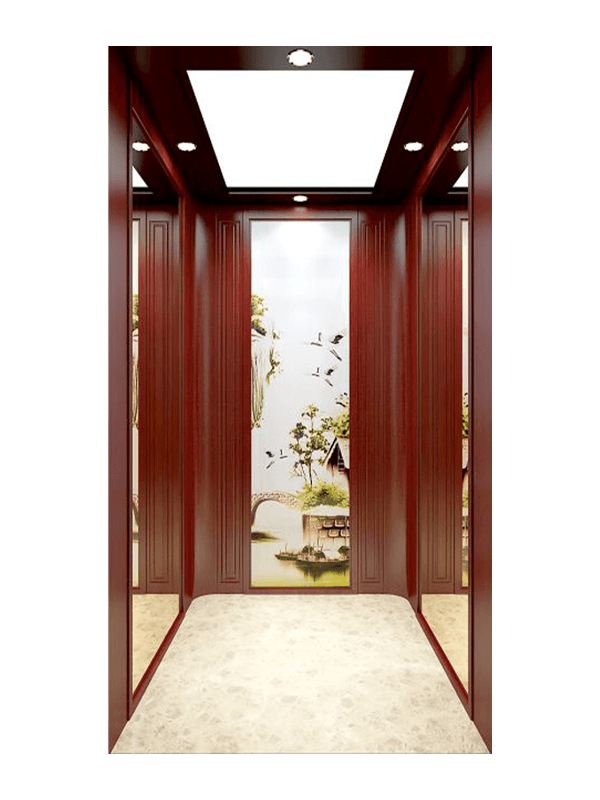
Designers often match the wall panels with the ceiling and handrail finishes. A cabin background decoration using woodgrain laminates paired with brushed stainless accents creates a biophilic effect appreciated in high-end residential towers. Alternatively, back-painted glass boards with integrated LED edge lighting produce a contemporary, luxurious glow that highlights the board’s depth.
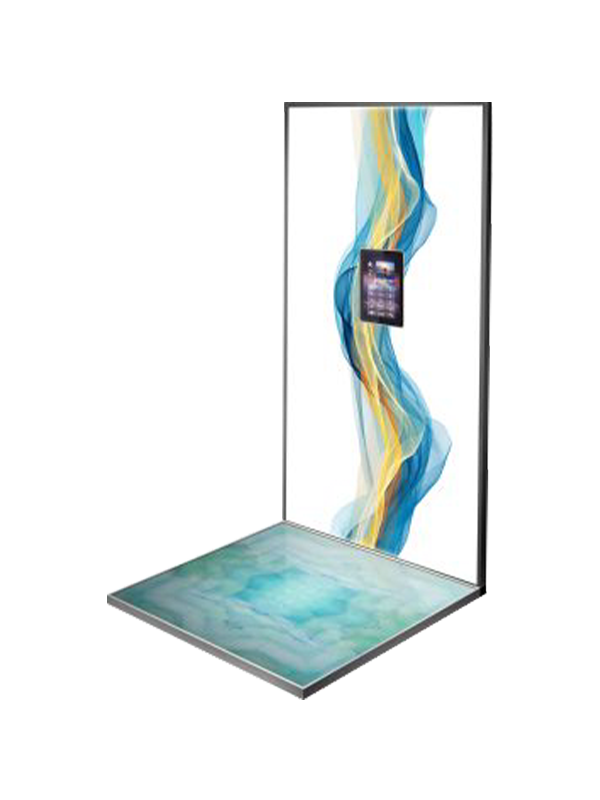
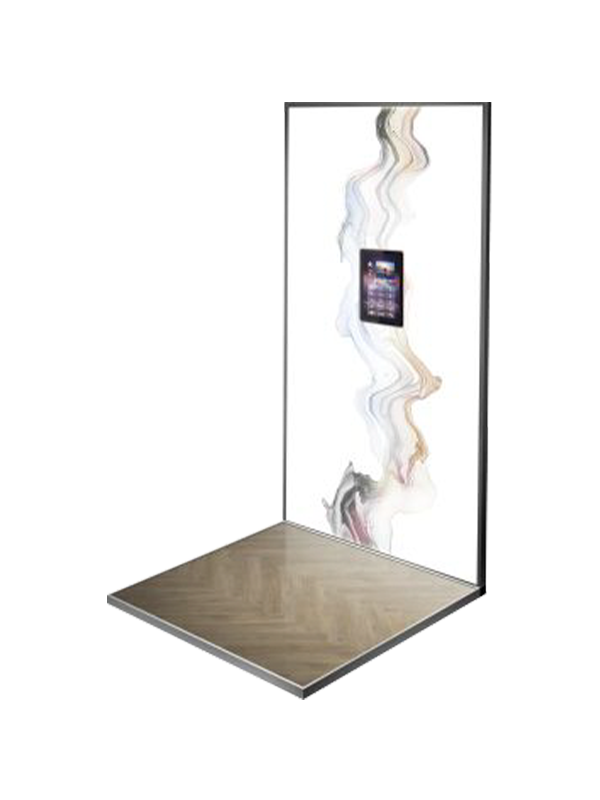
Graphic customization is another dimension. Direct digital printing on laminate boards allows architects to embed wayfinding motifs, corporate branding, or artistic murals without additional layers. This technique eliminates the risk of peeling film and can be specified to match lobby aesthetics seamlessly.
Structural and Installation Realities
How a background board mounts to the cabin structure affects both installation speed and future maintenance. Modular interlocking panel systems, often used with aluminum composite boards, can cut installation time by 40% compared to traditional screw-fixed sheets. These systems also permit individual panel replacement when damage occurs, without dismantling the entire wall.
The cab’s weight limitations—critical in traction elevators—must guide material selection. A full cab clad in thick glass panels adds significant mass, potentially requiring counterweight adjustments. In modernizations, lightweight laminate or aluminum honeycomb boards often resolve this constraint while preserving design intent. Many elevator background board options now feature a snap-on trimless edge, eliminating visible fasteners and achieving a cleaner, architectural finish.
Fire rating compliance is non-negotiable. Regardless of aesthetics, the boards must meet local code for flammability, smoke development, and toxicity. Most laminate and composite panels intended for lift cars come with class A or B-s1,d0 certifications as standard, but always verify documentation before purchasing.
Maintenance, Hygiene, and Lifecycle Cost
In a post-pandemic environment, surface hygiene has gained equal footing with appearance. Antimicrobial coatings and seamless joints that resist bacterial growth are now standard requests for healthcare and commercial elevators. Stainless steel and glass boards, when coated appropriately, tolerate frequent disinfection with aggressive cleaning agents without clouding or etching.
The total cost of ownership extends well beyond the purchase price. A premium etched stainless steel board may command a higher initial outlay but requires only mild detergent wiping for twenty years. Conversely, a low-cost PVC panel might show scuffs within 12 months and need replacement in high-traffic lifts, doubling the effective cost over a five-year period. Facility managers evaluating wall panel decoration should request maintenance data and warranty terms that explicitly cover surface degradation.

Making a Confident Specification
Selecting an elevator background board is a decision that merges engineering pragmatism with experiential design. Begin by confirming the structural load capacity and fire safety requirements of the elevator code. Then identify the three most frequent user interactions—luggage impact, wheelchair bumping, cleaning chemical exposure—and eliminate materials that perform poorly in those areas.
From there, shortlist the visual effects: do you need mirror-like expansion, a warm wooden texture, or a bold branded statement? Request physical samples under the intended cabin lighting because digital swatches invariably mislead. Finally, consider logistics: panel sizes, installation access, and whether the supplier provides modular replacement components for future repairs. A specification built on these layered criteria will produce a cab interior that looks intentional and wears predictably well.