

 English
 عربى
عربى Deutsch
 Español
 Français
 русский
 日本語
日本語 简体中文
简体中文Content
Most elevator cars break down silently. Not mechanically, but visually. Walls bow, fade, or absorb every impact without a single surface designed to support it. This is exactly the problem that elevator backboards solve, and why their selection is much more important than most building managers realize.
What Elevator Bottom Panels Actually Do
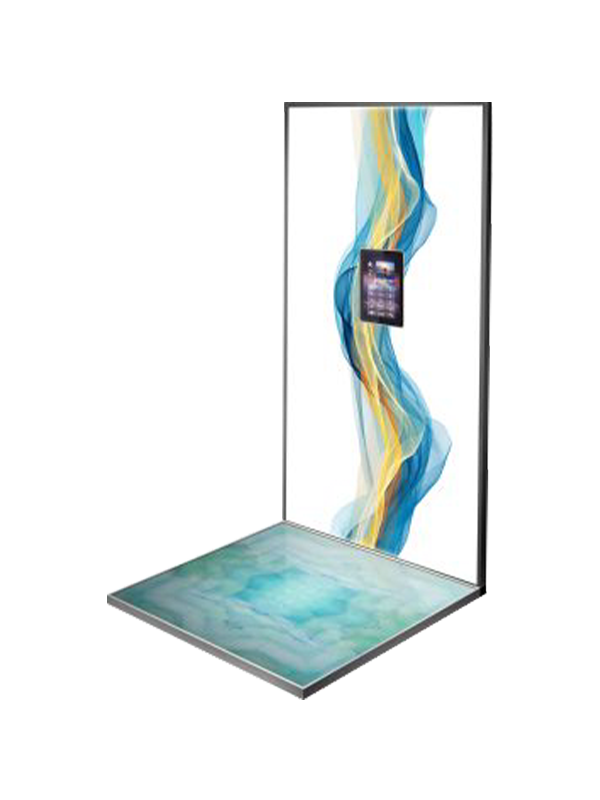
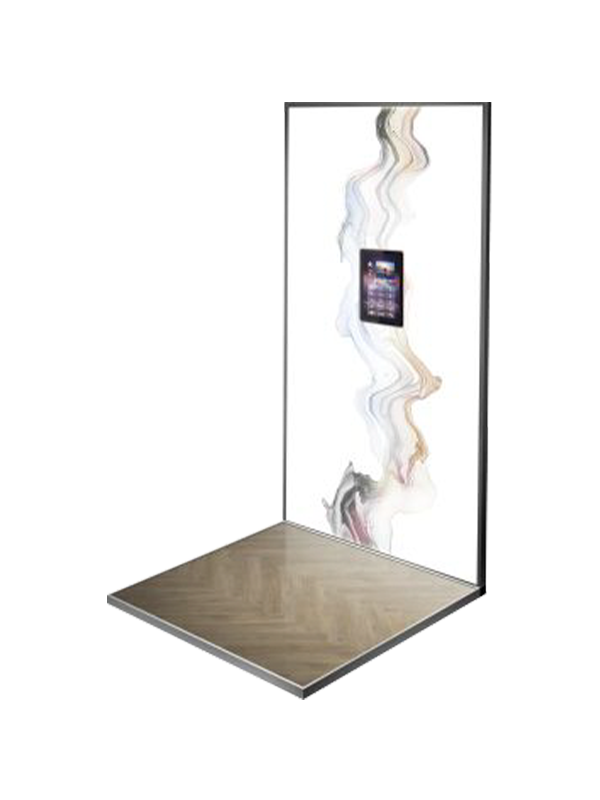
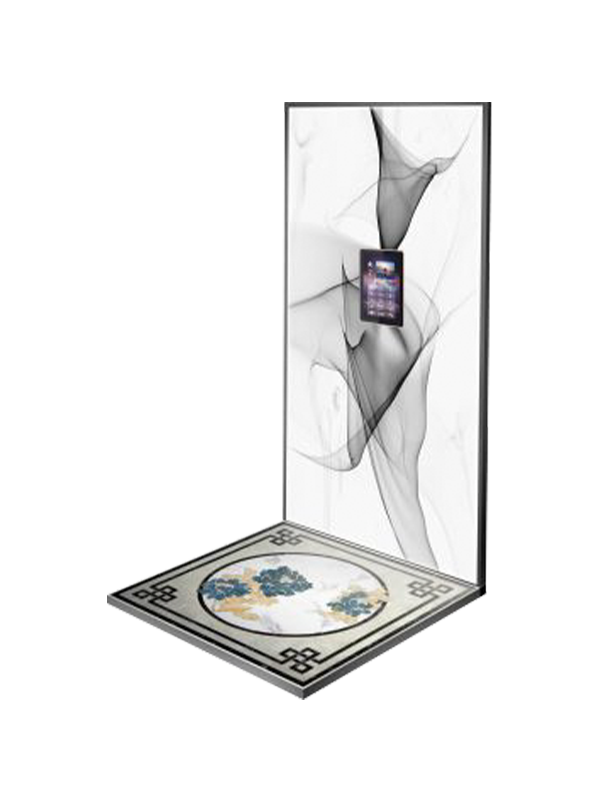
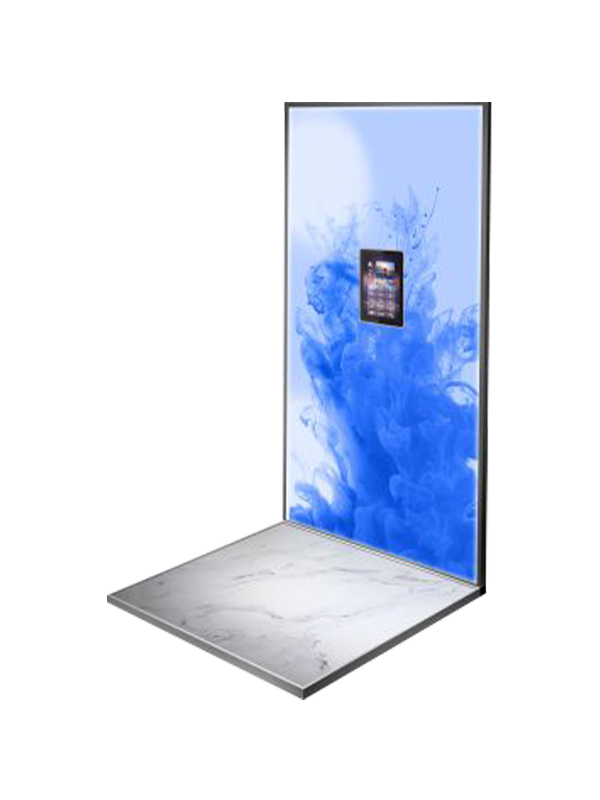
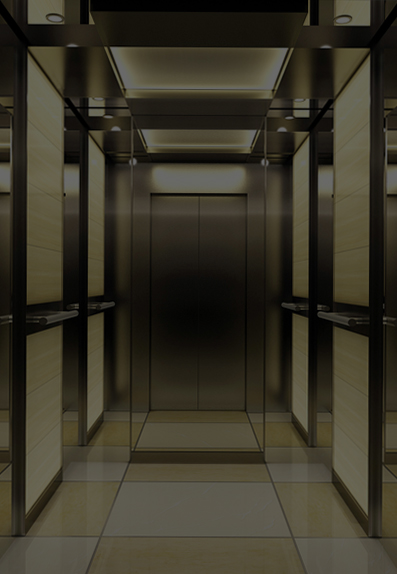
An elevator bottom panel is a structural decorative panel installed on the rear and side walls of an elevator car. This is not an aesthetic trim, but a supporting surface. Handrails, toe panels, mirrors and lighting components all anchor there. Without a properly designed bottom panel, these fixtures do not have a stable substrate.
The functional scope extends even further. In high-traffic commercial buildings, backboards absorb contact, impact and repeated cleaning with harsh chemicals. In villa and residential elevators, they dampen operational vibrations and contribute significantly to cabin acoustics. Modular panel systems also simplify long-term maintenance: damaged sections can be removed and replaced individually, without dismantling the entire cabin structure.
Explore our complete line of elevator bottom panel products to see how material and finish options are structured in different building types.
Hardware Options and What Each Gets Right
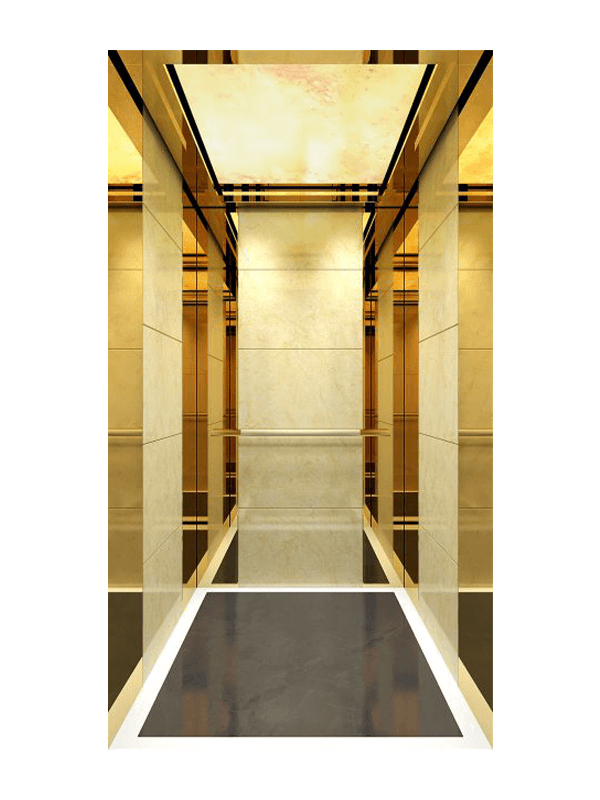
Stainless steel dominates commercial and hotel facilities. Grade 304 handles standard environments well; Grade 316 is the right choice for coastal buildings or anywhere condensation is a recurring problem. Surface treatments – brushed hair, mirror, linen, leather texture – have expanded significantly, providing designers with visual flexibility without sacrificing the fundamental durability of the material. Textured finishes also reduce visible fingerprints and surface scratches over time.
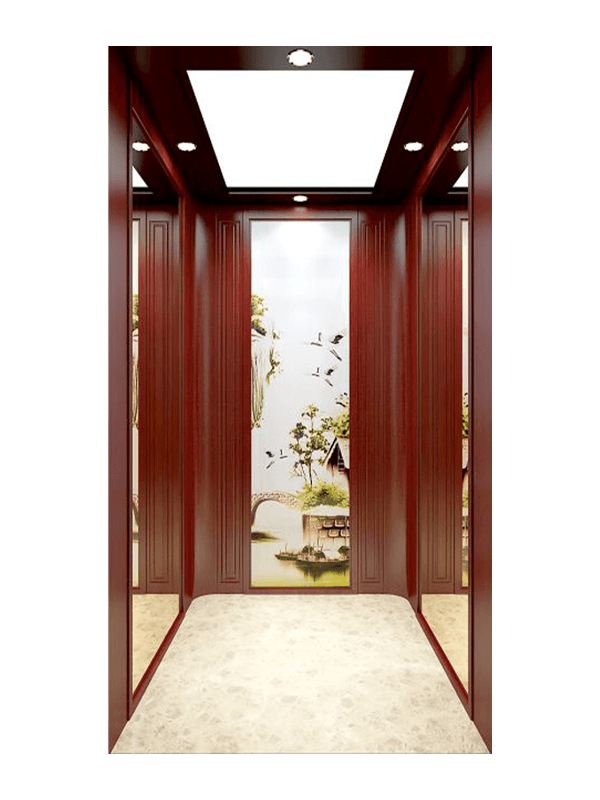
High pressure laminate (HPL) panels and wood veneer panels bring warmth to residential and executive interiors. They support a wider palette of colors and patterns, and quality laminate panels maintain their appearance well under moderate use. Wood veneer, although expensive, creates interiors that communicate a level of finish that is difficult to replicate in metal.
PVC composite panels occupy a happy medium: lightweight, moisture-resistant and well-suited to villa elevators or low-traffic commercial cabins where budget efficiency matters. Their composite cores provide sufficient rigidity without the weight of metal.
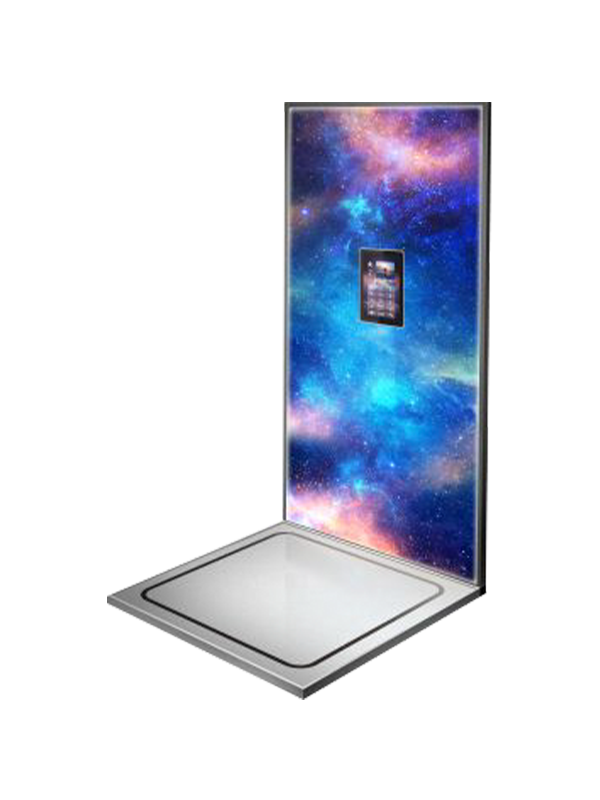
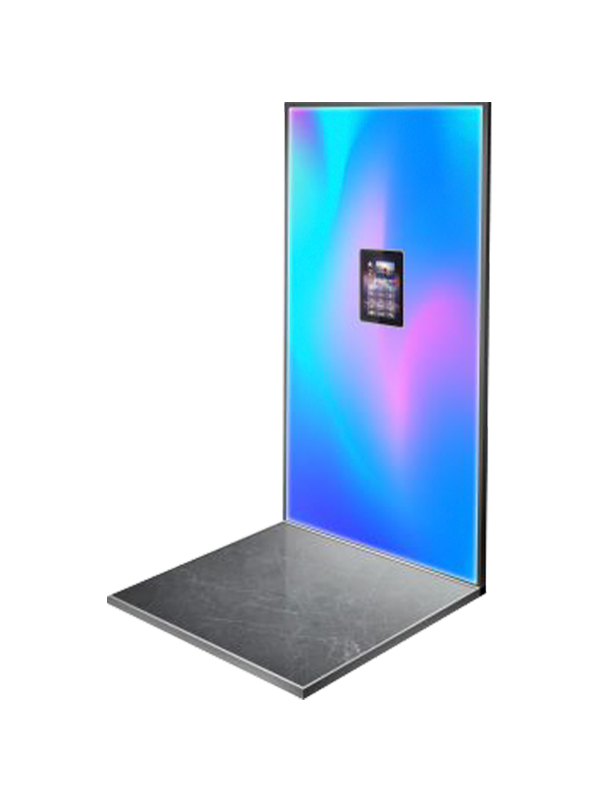
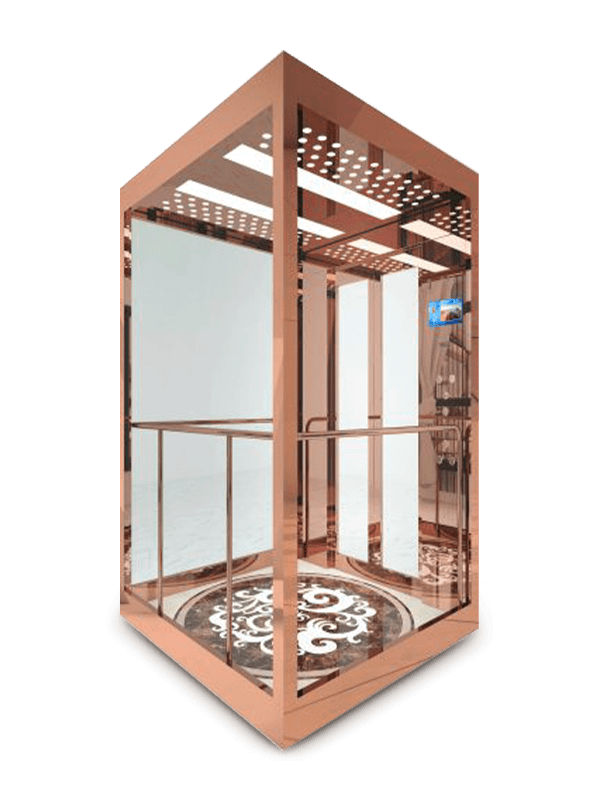
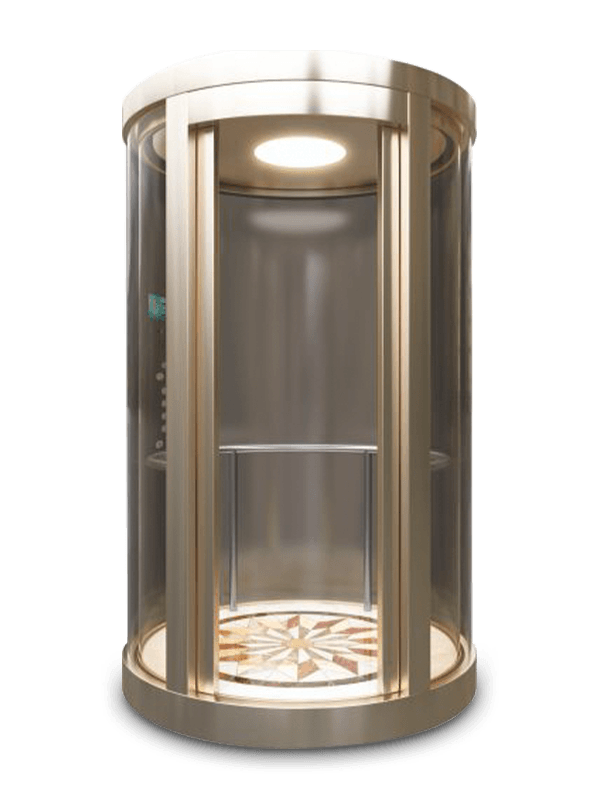
Laminated glass and tempered glass panels are becoming more and more common in high-end panoramic or commercial elevators. Combined with backlighting, the glass panels expand the perceived space – a real advantage in terms of compact cabin footprint. Security dividers are standard; the panels are designed to remain intact under impact.
For villa elevator interiors in particular, our elevator interior bottom panel and cabin bottom decoration options are designed for residential environments where aesthetics and moisture resistance are priorities.
Thickness, structural integrity and weight
Standard panel thickness varies from 6mm to 18mm depending on material composition and load requirements. Engineers must consider vibration, thermal expansion and dynamic forces during operation. Undersized or improperly mounted panels will loosen over time, producing noise, misalignment and possible safety issues. Factory pre-drilled mounting points and precision-cut edges greatly reduce on-site installation errors.
Weight is a non-negotiable consideration. A stainless steel panel measuring 2400 mm × 1200 mm generally weighs between 25 and 35 kg. A glass panel of similar dimensions can reach 40 to 60 kg. Each kilogram added inside the car must match the elevator's rated load capacity and counterweight calculations. This is not a detail to be addressed after selection: it is part of the initial specification process.
Installation methods that determine long-term performance
Three mounting approaches are industry standard. Mechanical fastening with concealed brackets is preferable for heavier materials (glass, thick stainless steel) where pull-out resistance is essential. Adhesive bonding combined with safety clips works well for lightweight composite panels where the goal is to achieve a seamless surface free of visible hardware. Modular track systems allow individual panels to be removed and reinstalled without disrupting adjacent sections, making them the preferred choice for installations subject to frequent renovation cycles.
All installations must comply with applicable safety codes. In North America, ASME A17.1 governs. European projects reference EN 81 standards. The requirements are consistent across jurisdictions: no sharp edges, no risk of entrapment, mounting systems designed to support five times the weight of the panel, and Class A or B flame spread fire resistance ratings for wall materials.
Our aluminum alloy frame duct systems and sprayed steel structural frame options are designed to provide the structural foundation upon which the installation of the backing panels depends.
Match the board to the building
The right backboard isn't the most expensive: it's the one that matches the passenger volume, environment and design intent of the building. A busy office lobby demands stainless steel with a textured finish. A boutique hotel elevator requires wood veneer or HPL with a warm color palette. A coastal villa elevator requires PVC composite or 316 grade steel with verified moisture resistance treatments. A panoramic residential cabin benefits from glass panels with integrated lighting.
Personalization is now standard rather than exceptional. Etched patterns, color-matched laminates, branded surface treatments: these options allow elevator interiors to precisely align with the architectural language of the larger space rather than stand out from it. The bottom panel often constitutes the largest visible surface inside a cabin. It deserves the same rigor of specification applied to any other primary interior finish.
For custom configuration support, our elevator customization service covers material selection, surface treatment and panel sizing to meet the exact project requirements. Discover the full elevator car decoration series to see how the background panels integrate with ceiling, flooring and door finishes as a cohesive interior system.