

 English
 عربى
عربى Deutsch
 Español
 Français
 русский
 日本語
日本語 简体中文
简体中文Content
Most elevator renovations stumble over the same question: What's going on the walls? The background panel is the largest visual surface area inside any elevator car: it sets the tone, endures daily abuse, and holds up or not. Making this right decision can save a lot of money and avoid headaches in the long run.
What Elevator Bottom Panels Actually Do
Background tables fulfill two roles simultaneously. First, they protect the structural walls of the elevator car from scratches, dents, moisture and daily wear and tear. Second, they define the interior aesthetic, whether it's a refined corporate lobby or the warm elegance of a private villa.
In high traffic environments like hospitals or hotels, the protection function dominates. In residential and luxury environments, design function takes priority. Choosing the right board means deciding which function is most important for your specific context and finding hardware that meets both.
The four basic materials and where each one makes sense
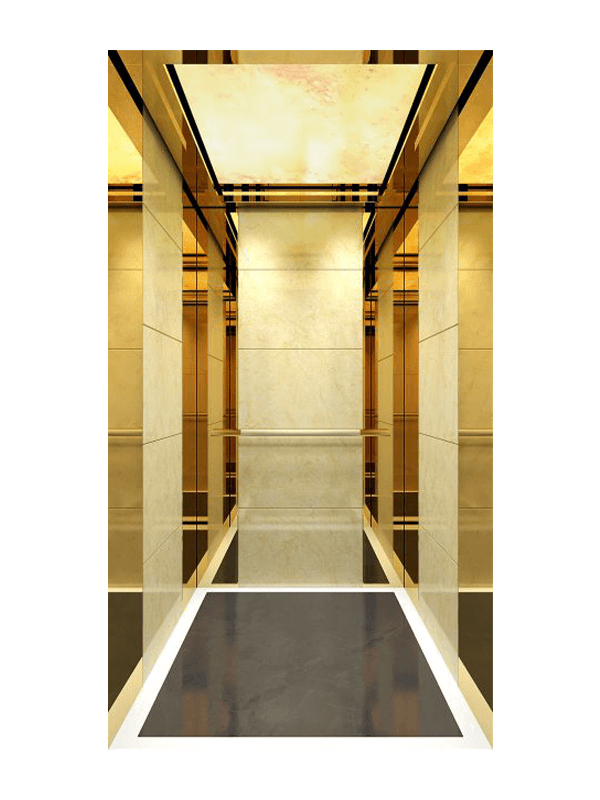
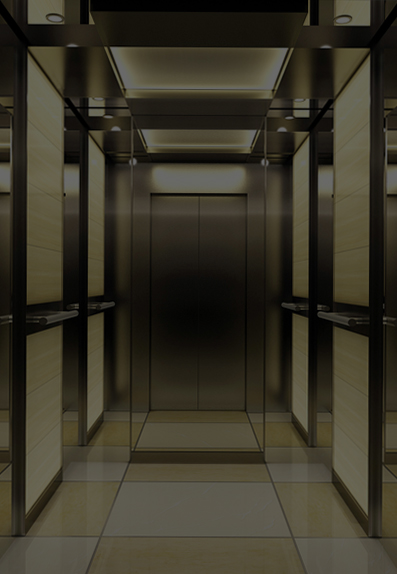
Stainless steel is the most widely deployed hardware for a reason. Level 304 handles most environments; Grade 316 is specified for coastal areas or anywhere moisture is a persistent problem. Surface finish options (brushed, mirror polished, fine or etched) make stainless steel suitable for almost any design project. It is easy to clean, resistant to shocks and does not deform. For commercial buildings, medical facilities, and any elevator with heavy cart or equipment traffic, stainless steel is the default choice for good reason.
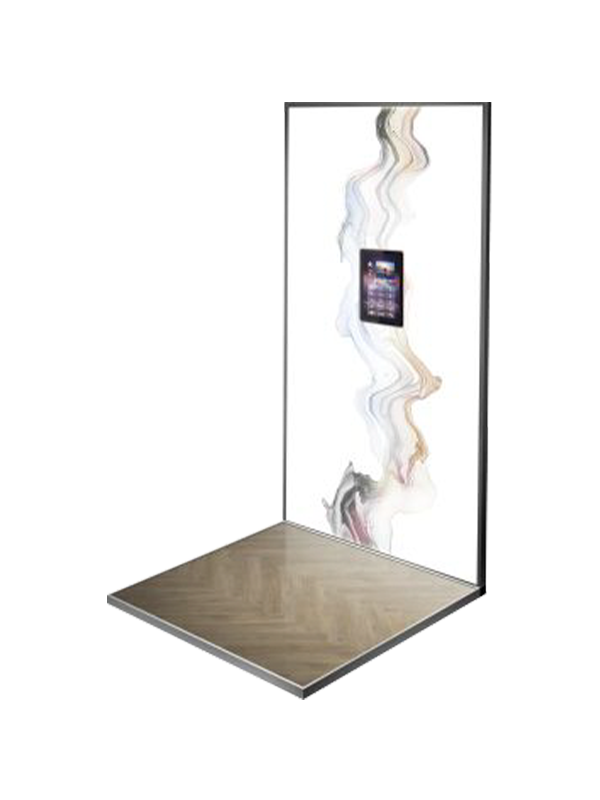
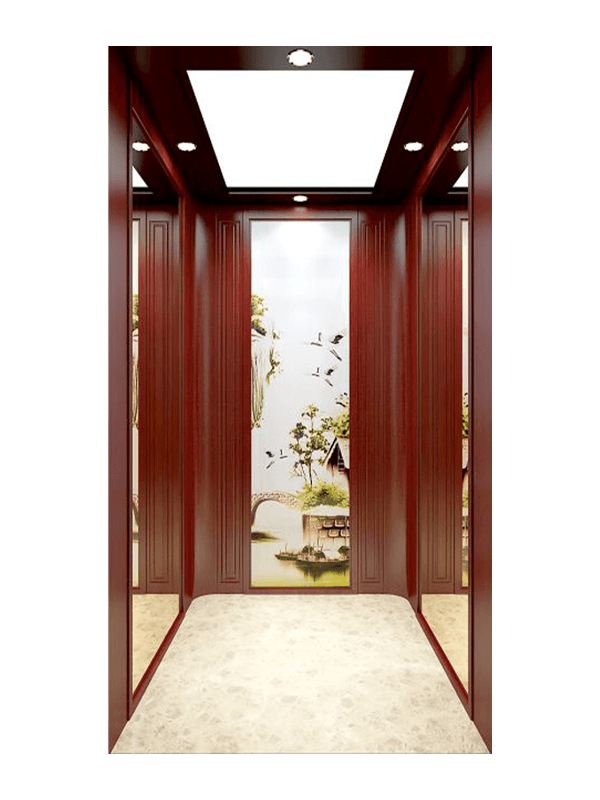
Wood veneer and solid wood panels completely change the atmosphere. They provide warmth and a natural texture that metal simply can't replicate. villa elevator bottom boards with wooden finishes are particularly effective in private residences where the elevator is an extension of the home's interior design. The compromise: wood is more sensitive to humidity and requires more careful maintenance. It is suitable for air-conditioned environments and not buildings where doors open directly to the elements.
PVC composite panels occupy the golden mean. Lightweight and economical, they perform well in low to medium traffic residential and commercial environments. When reinforced with a composite core, these panels provide adequate rigidity and can be printed with virtually any design, including convincing wood grain and stone effects, making them a versatile option when budget is a constraint but appearance still matters.
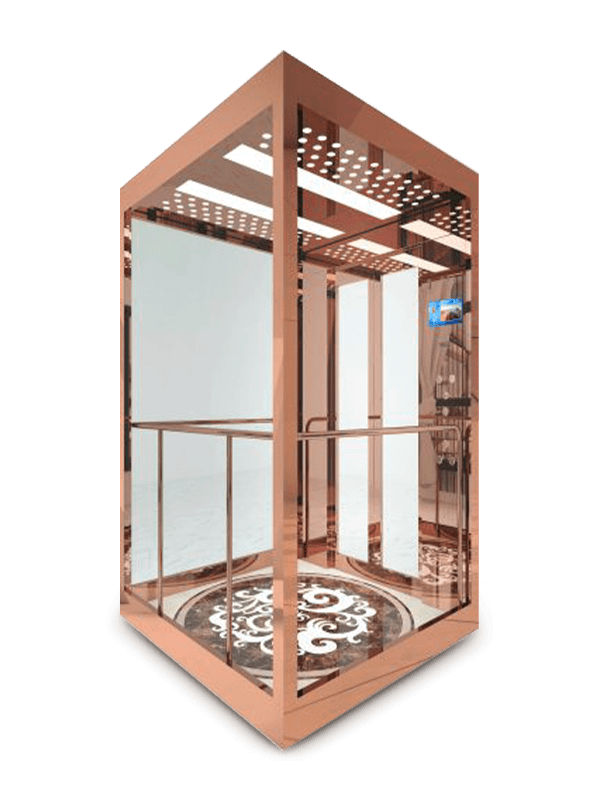
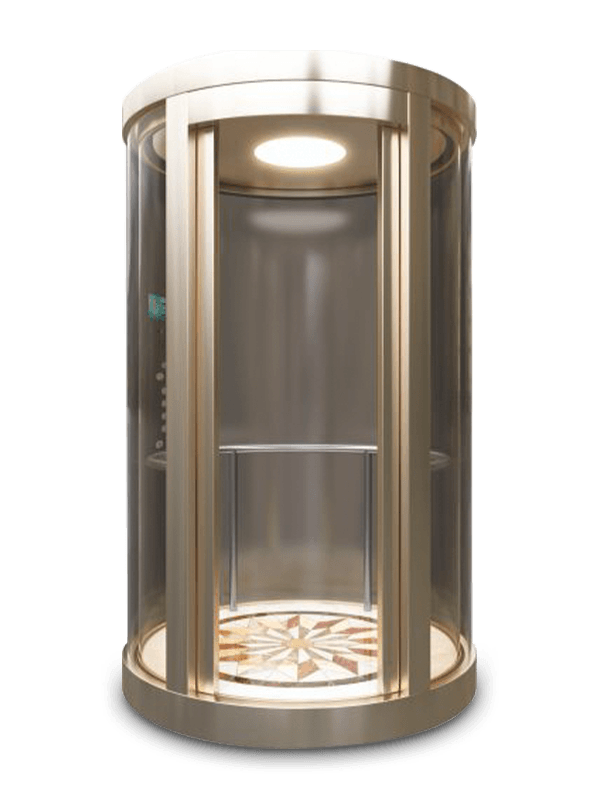
Glass panels (tempered or laminated) introduce a completely different spatial quality. Backlit glass creates depth and drama; Etched glass diffuses light while resisting fingerprints. Glass requires a lot of maintenance in busy elevators, but is truly striking in tourist elevator cabin designs or luxury residential installations where the visual impact justifies the maintenance.
Game-changing surface treatments
The base material is just the starting point. Surface treatments considerably expand the possibilities:
- Engraving — chemical or laser — creates permanent decorative designs in metal or glass without adding thickness or weight. It's a reliable way to introduce visual interest while keeping the surface durable.
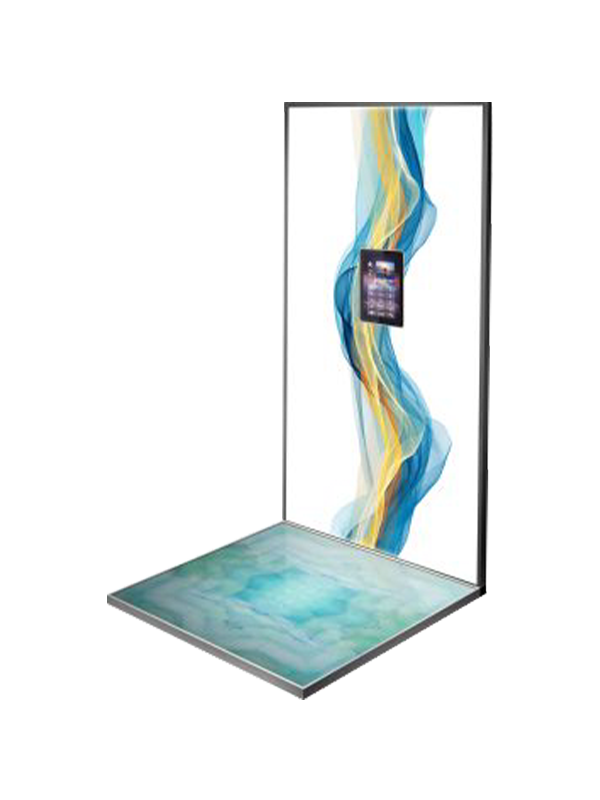
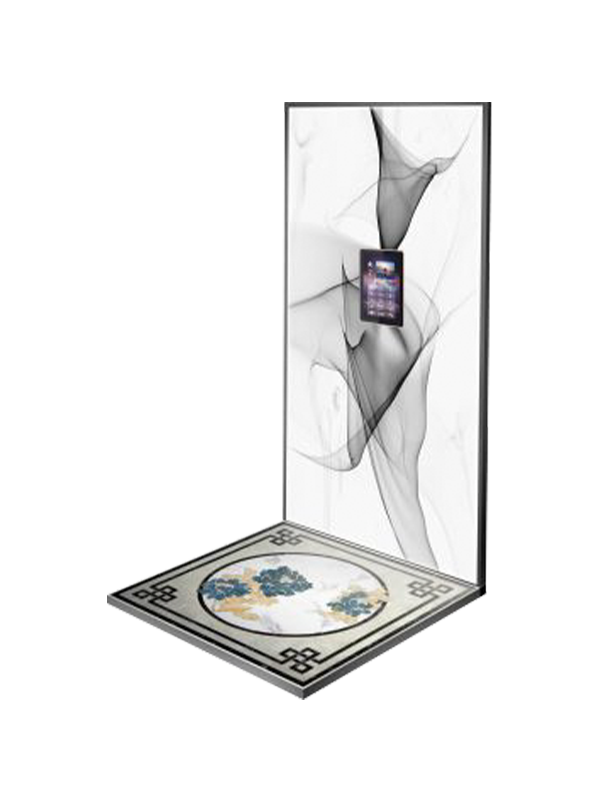
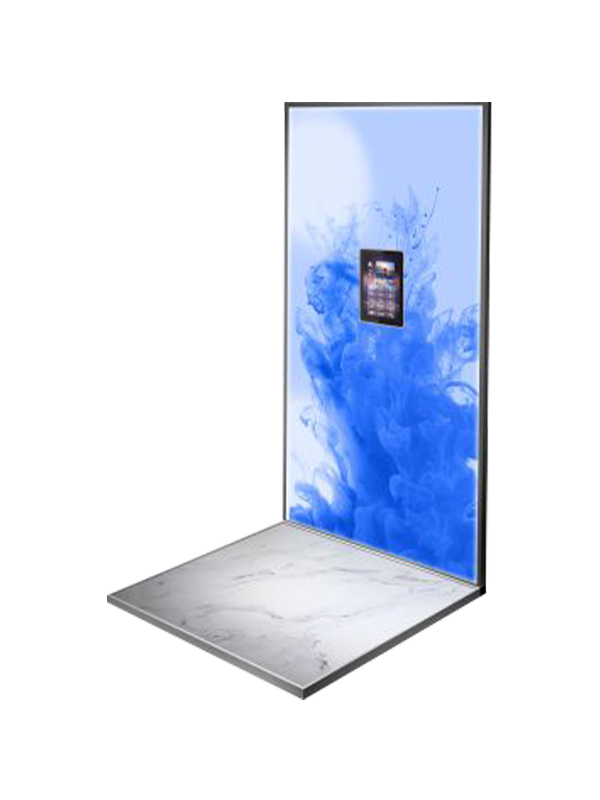
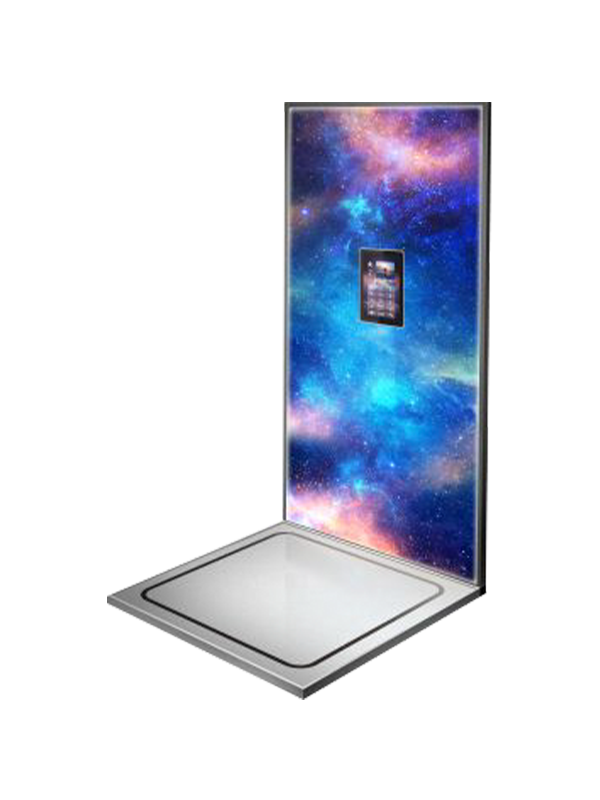
- Digital printing On specialist laminates or coated metal, it is possible to apply photographic quality artwork, branding graphics or architectural images on a large scale. The result can be striking, although the choice of substrate under printing determines long-term durability.
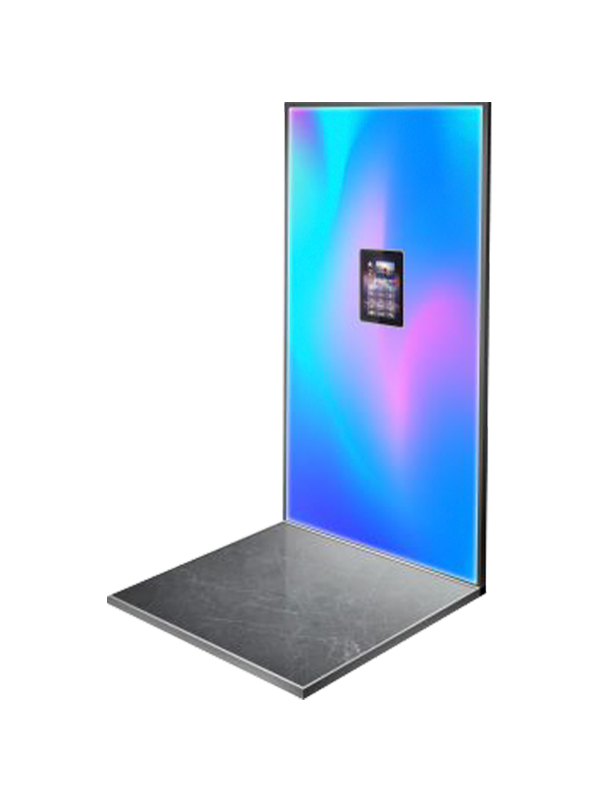
- LED integration — integrating lighting behind translucent or backlit panels — works particularly well in luxury and hospitality settings. This adds dimension to the space and makes the cabin feel significantly larger than its footprint.
- Textured finishes (linen, geometric embossing, 3D patterns) add a tactile dimension and often hide minor scuffs better than flat surfaces, which is important in moderate traffic environments.
How to match boards to building type
It is the context of the building that should determine the specifications, not the other way around. Some practical rules:
- Head offices: Brushed stainless steel or wood veneer with minimal surface pattern. The goal is professionalism without distraction.
- Hotels and hospitality: Modular panels that can be updated according to changing interior trends without complete cabin replacement. Prioritize ease of cleaning and availability of replacement panels.
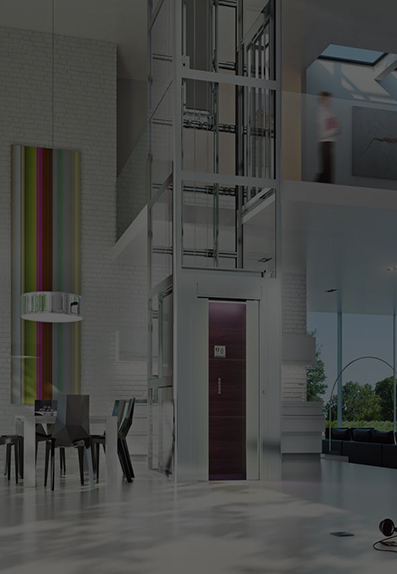
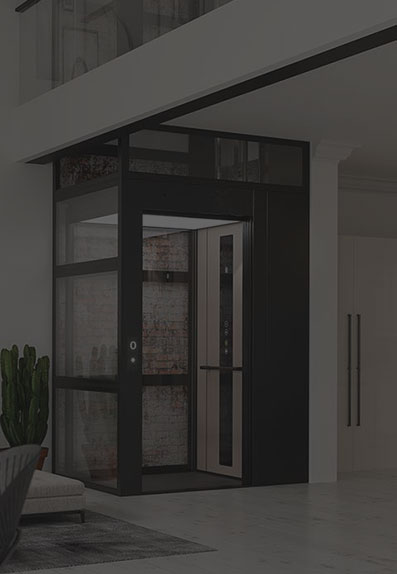
- Villas and private residences: The elevator must be in continuity with the interior design of the house. Wood, imitation marble, engraved metal or custom elevator cabin background decoration adapted to the palette of the house, all work here: resistance to humidity becomes the key technical requirement.
- Health and catering: Non-porous surfaces only. Stainless steel with seamless edges wins; Anything with gaps, seams, or porous surfaces creates cleaning and compliance issues.
Installation and maintenance realities
Modular panel systems install faster and make future upgrades much more convenient. Panel sizing is more important than most people think: the choice of widely available standard dimensions means that replacement panels can be quickly obtained if a section is damaged, avoiding extended downtime while a custom part is manufactured.
Maintenance requirements vary greatly depending on the material. Stainless steel only needs a damp cloth and non-abrasive cleaner - once a week under normal use. Glass panels in high-traffic facilities require daily or every other day attention to prevent fingerprints and smudges from accumulating. Wood and composite panels work best with a mild detergent on a damp cloth; excessive moisture around the edges of the panels causes delamination over time. An annual inspection of edgebanding and surface integrity on all panel types detects problems before they become costly.
An underestimated point: the structure of the stairwell behind the backboards affects installation quality and long-term performance as much as the panel material itself. Panels mounted on a real solid frame stay flush and gap-free; Panels mounted on a warped or inadequate substrate develop problems regardless of the quality of the material.
The decision in brief
Match materials to context: stainless steel for durability and hygiene, wood and composites for warmth and design flexibility, glass for dramatic visual effect where maintenance resources allow. Choose modular systems for any installation that may require updating. Prioritize standard panel sizes for maintainability. And consider background panel specifications as part of the complete cabin system – coordinated with the ceiling, flooring and lighting – rather than as an isolated finish decision.
Done right, an elevator bottom panel upgrade is one of the most cost-effective improvements a building can make to its interior. The cabin is a space crossed by each occupant; making it seem like it was considered rather than an afterthought pays dividends in perception well beyond the cost of renovation.