

 English
 عربى
عربى Deutsch
 Español
 Français
 русский
 日本語
日本語 简体中文
简体中文Content
- 1 Why Villa Elevator Car Decoration Is a Strategic Investment
- 2 Style Directions That Align with Your Villa’s Interior Language
- 3 Core Materials That Define Performance and Aesthetics
- 4 Customization: From Background Boards to Door Ensembles
- 5 Lighting, Flooring, and Control Surfaces That Complete the Experience
- 6 Long-Term Care and Smart Update Intervals
Why Villa Elevator Car Decoration Is a Strategic Investment
A well-executed elevator cab does far more than enclose passengers. It directly shapes your home’s perceived value, daily comfort, and long-term durability. With villas often spanning multiple levels, the elevator becomes a high-traffic vertical corridor—one that should feel as intentional as any primary living area. A purposefully designed elevator car decoration reinforces architectural continuity, increases resale appeal, and protects structural panels from wear by absorbing contact and vibration. For homeowners who treat design as an extension of lifestyle, the cab is not an afterthought; it is a focal point that demands the same material and color discipline as a custom kitchen or hallway.
Overlooking this space typically leads to generic stainless-steel boxes that clash with adjacent interiors. Instead, a considered selection of wall panels, ceilings, and flooring immediately communicates refinement. As we explore creative elevator car decoration ideas, the underlying principle remains: every surface inside the cab is an opportunity to reinforce your villa’s signature aesthetic while adding functional layers like scratch resistance and sound dampening.
Style Directions That Align with Your Villa’s Interior Language
The most persuasive elevator decorations borrow their visual vocabulary from the villa itself. Whether your home leans toward restraint or opulence, the cab should read as a natural extension rather than a separate enclosure. We classify successful installations into three primary design streams.
Modern Minimalist
Clean sightlines, flush-mounted fixtures, and a cool, neutral palette define this approach. Typical materials include brushed stainless steel, back-painted glass, and high-pressure laminates in soft grey or warm white. Integrated LED strips tucked behind handrails or ceiling coves create a floating effect that amplifies spatial perception. The functional advantage: fewer seams and visible hardware mean simpler cleaning and a visually unobtrusive daily presence.
Classic Luxury
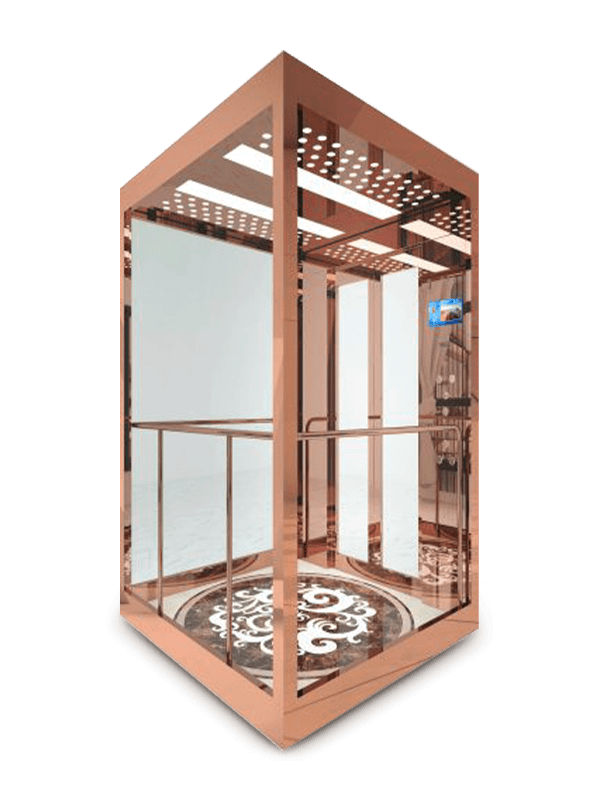
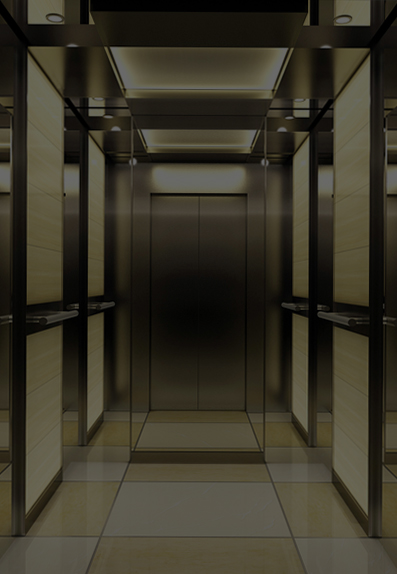
Here the emphasis shifts to richness and layering. Woodgrain panels, etched metal inlays, and accent framing in champagne or black titanium establish a sense of permanence. A full-height rear panel with book-matched veneer can echo the paneling found in a villa’s library or foyer. Our luxury passenger elevator cabin decoration illustrates how these elements combine into a unified, high-impact interior without making the space feel crowded. The key is disciplined ornamentation: select one vertical surface for a feature treatment and keep the remaining walls understated to maintain visual balance.
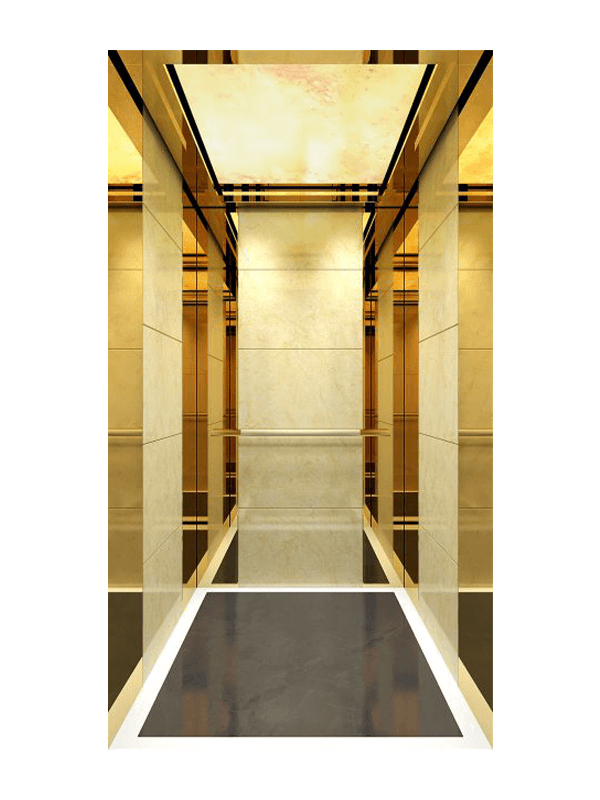 Custom Luxury Decoration Passenger Elevators Cabin Suppliers, CompanyZhejiang Hongmin Elevator Technology Co., Ltd is China Custom Luxury Decoration Passenger Elevators Cabin suppliers and OEM/ODM company, ...View Product →
Organic & Natural
Villas surrounded by landscape or coastal views often benefit from a lighter, mineral-driven palette. Faux marble laminates or low-porosity porcelain slabs deliver the veining and depth of natural stone at a fraction of the weight, while still meeting fire-retardant standards. Vertical planters or textured wallpaper can add a biophilic note, though they must be installed in a removable format to preserve access for service. In each case, the floor material should provide sufficient slip resistance—an attribute we examine further when discussing complete kits.
Core Materials That Define Performance and Aesthetics
Material selection drives not only the appearance but also the longevity of your elevator cab. The three workhorse categories below cover most villa applications, each with measurable trade-offs in maintenance, cost, and design flexibility.
Stainless Steel
Grade 304 stainless steel remains the standard for high-durability interiors. It withstands humidity, resists fingerprints when treated with anti-smudge coatings, and can be specified in a range of finishes—hairline, mirror, or etched. Etched patterns can obscure minor scratches and add visual depth without the weight of solid wood. For villas in coastal zones, ask for 316-grade options; the marginal cost premium significantly reduces pitting corrosion from airborne salt.
Wood & Woodgrain Surfaces
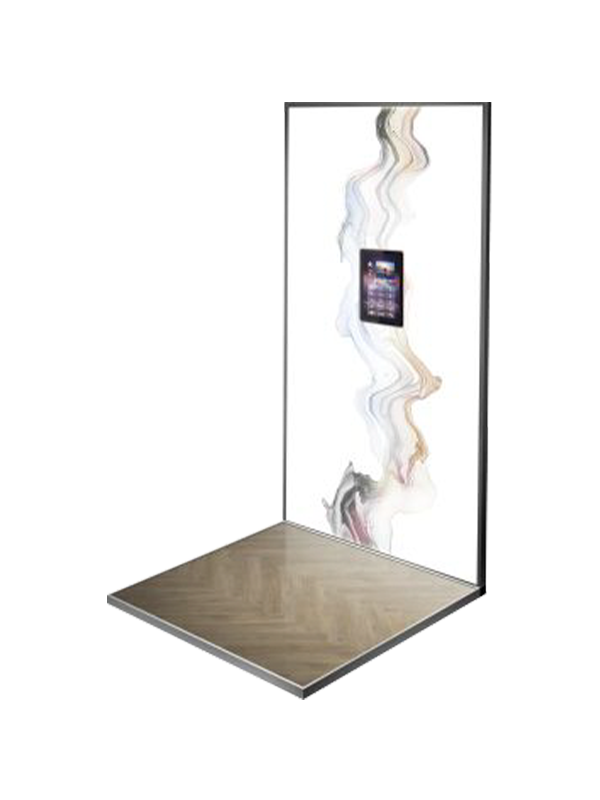
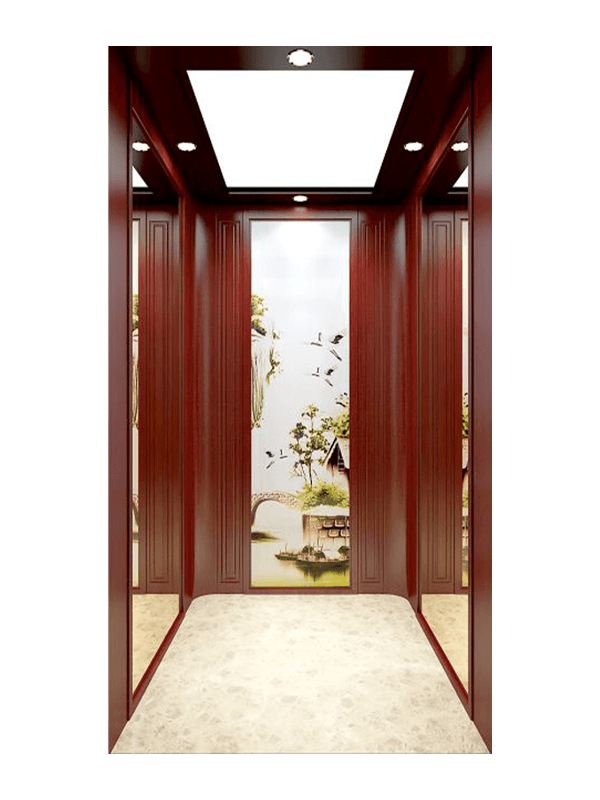
Real wood veneers bring unmatched warmth but demand strict control of cabin humidity—generally below 60% relative humidity—to prevent warping. A practical alternative gaining traction is high-definition woodgrain applied to aluminum or phenolic backing. Our woodgrain elevator car interior design demonstrates how these composite panels replicate the texture and grain pattern of oak, walnut, or teak while eliminating the periodic re-sealing required by solid wood. Before choosing real timber, review the benefits of wood paneling in villa elevators to weigh visual richness against upkeep commitments.
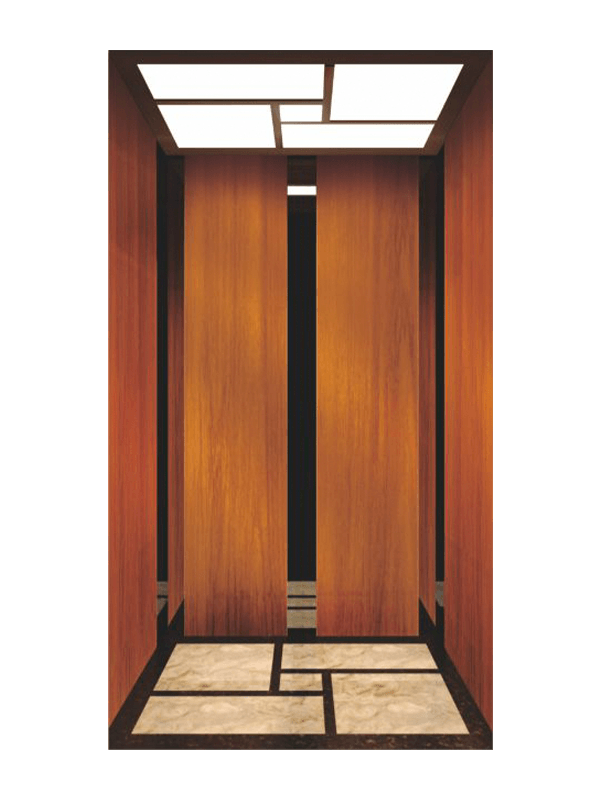 Custom Woodgrain Elevator Car Interior Suppliers, CompanyZhejiang Hongmin Elevator Technology Co., Ltd is China Custom Woodgrain Elevator Car Interior suppliers and OEM/ODM company, Standard: Ce...View Product →
Imitation Marble & Glass
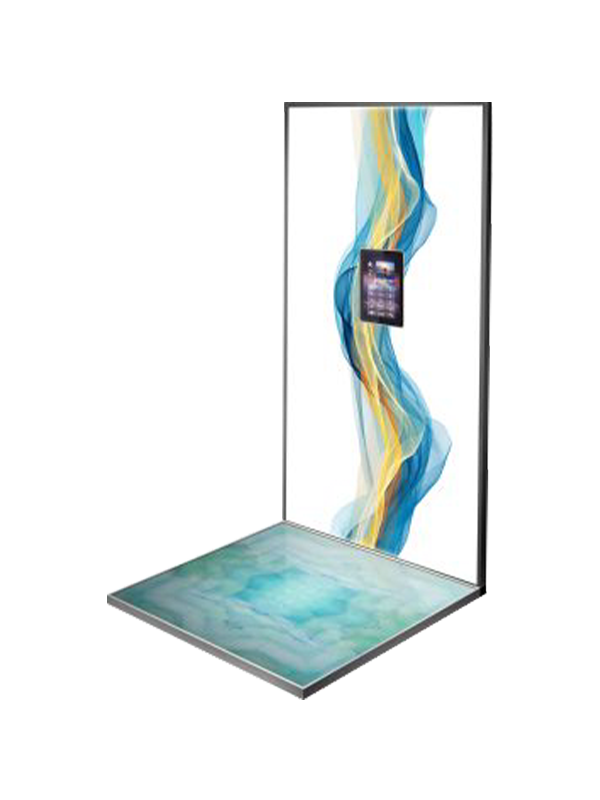
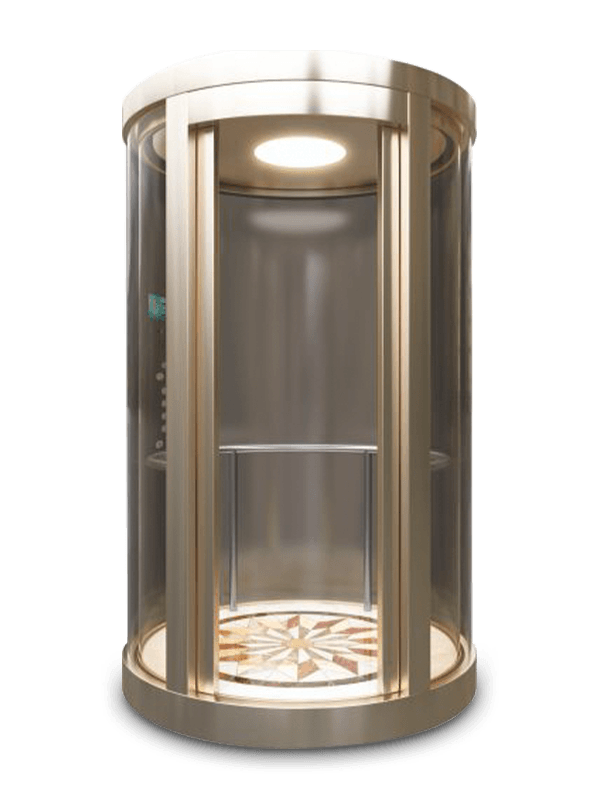
Engineered stone surfaces such as UV-stable quartz or high-gloss acrylic solid surface deliver the elegance of marble without the porosity that invites staining. For sightseeing cabs or villas where natural light is a priority, tempered and laminated glass panels become a defining element. When paired with an illuminated background board, the material itself creates a luminous volume rather than a closed box. View the imitation marble passenger elevator interior to see how veining and edge detailing transform a standard cabin into a gallery-like enclosure. All glass selections must be laminated to meet safety glazing codes; tempered alone is insufficient if panel breakage could cause injury.
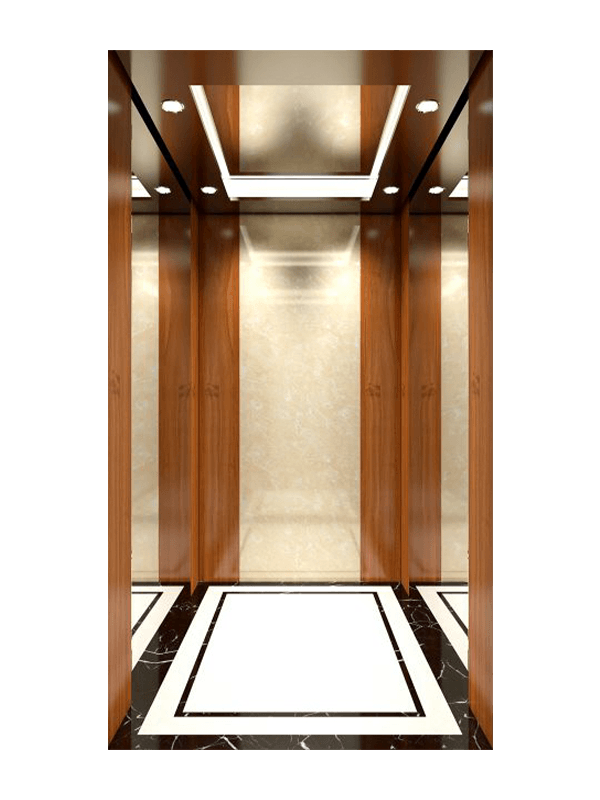 Custom Imitation Marble Passenger Elevator Interior Suppliers, CompanyZhejiang Hongmin Elevator Technology Co., Ltd is China Custom Imitation Marble Passenger Elevator Interior suppliers and OEM/ODM company,...View Product →
Customization: From Background Boards to Door Ensembles
Standard catalog kits often constrain ceiling height, panel width, and opening placement. Customization removes these constraints, allowing you to align sill plates, door jambs, and feature walls with the exact sightlines of your villa’s entrance hall.
Background Board Configuration
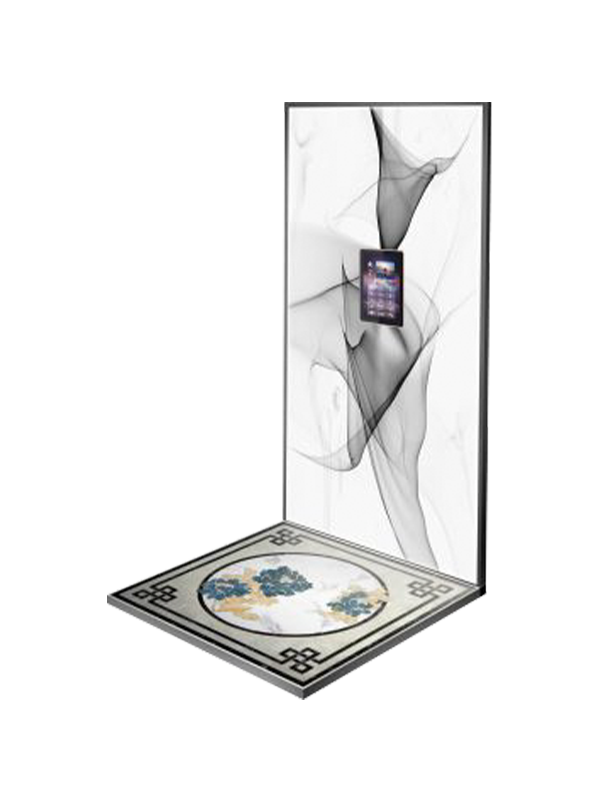
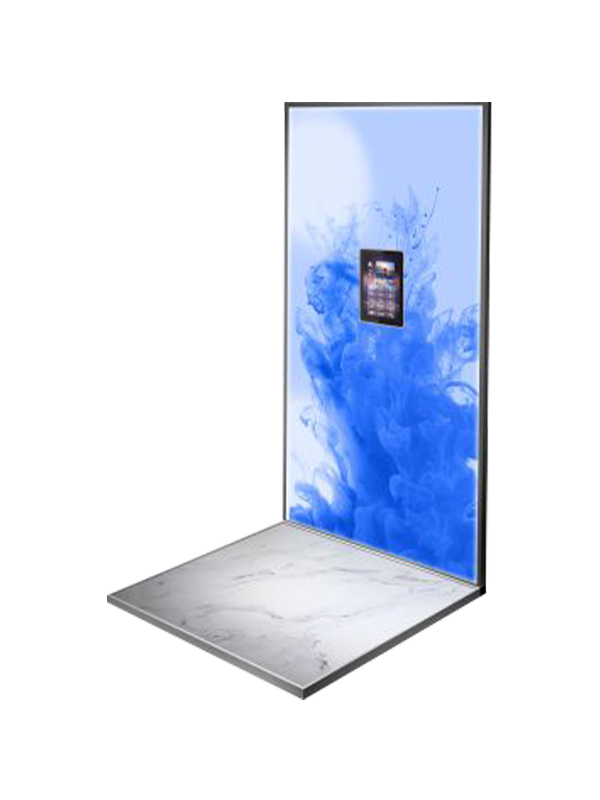
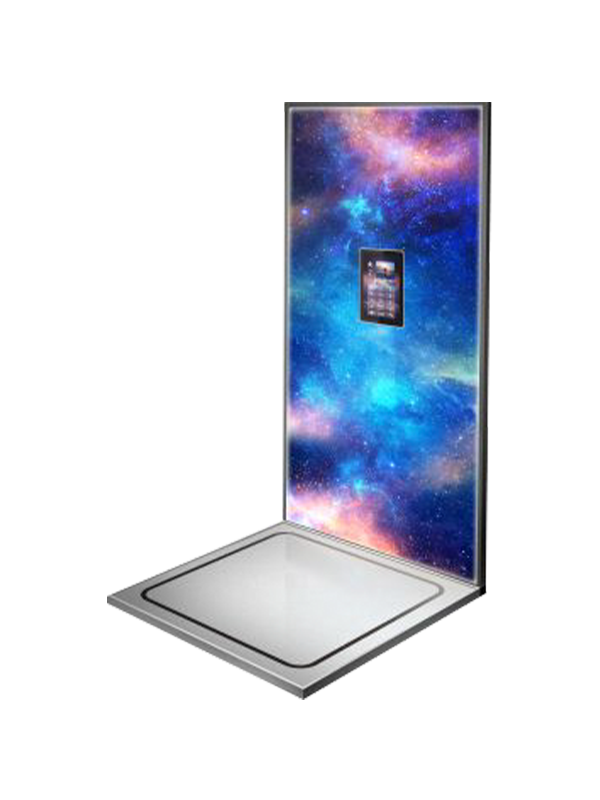
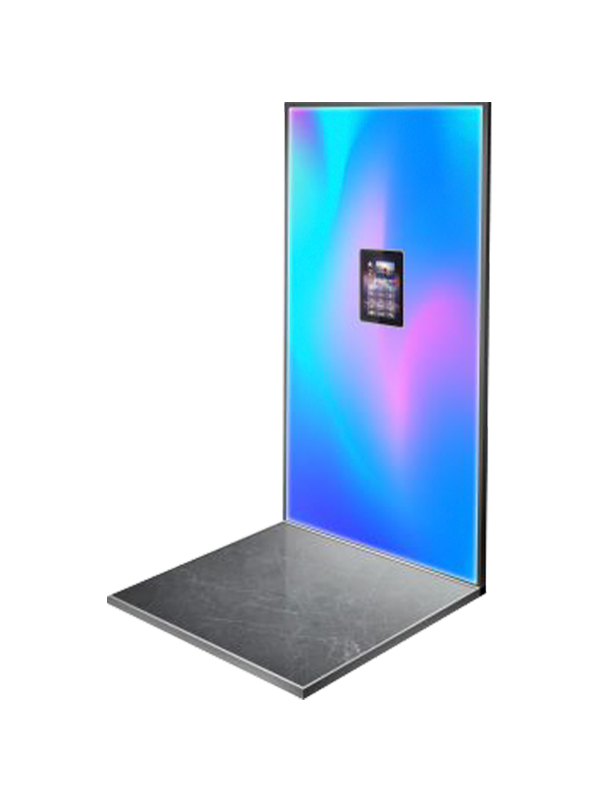
The rear wall of the cab offers the largest uninterrupted canvas. Options include multilayered panels combining acoustic felt, aluminum honeycomb, and a decorative face for both sound insulation and impact resistance. Integrating LED edge lighting transforms the board into a subtle, indirect light source that can shift color temperature to match your villa’s circadian lighting schedule. For detailed guidance on integrating light and surface, consult how elevator car decoration combines with lighting effects.
Landing Doors & Handrails
Matching the cabin door finish to the surrounding wall hardware—such as champagne gold or rose gold pulls—creates a continuous visual thread. Handrails, whether standard stainless or leather-wrapped, should be positioned at a height that satisfies local code while feeling comfortable to grip. The elevator car decoration optional accessories range offers pre-engineered door styles and handrail profiles that can be coated or plated to your exact specification, reducing lead times compared to fully bespoke fabrication.
Lighting, Flooring, and Control Surfaces That Complete the Experience
Many villa owners focus exclusively on wall panels and overlook how lighting and floor texture proportionally affect perceived cabin size and safety. A coordinated approach across these three subsystems yields a cabin that feels larger and more comfortable.
Illumination
Overhead downlights alone create harsh shadows on passengers’ faces. Instead, combine a diffused ceiling panel (often backlit acrylic with linen-like texture) with discreet cove lighting along the upper perimeter. This layered scheme prevents the claustrophobic effect common in compact home elevators and highlights surface textures without glare. Select warm-white LEDs (2700K–3000K) for traditional settings or tunable white arrays for minimalist cabs.
Floor Solutions
Flooring must meet a minimum coefficient of friction, especially when passengers enter with wet shoes. Porcelain tile with a slightly textured finish, rubber studded mats with integrated edging, or sealed stone composites all perform well. The floor thickness also affects door sill alignment, so coordinate with your installer early. For more on antislip requirements, review whether villa elevator background boards need antislip function.
Intuitive Controls
Touch-screen panels with haptic feedback (touch screen floor selection style HMW10) can replace traditional raised buttons, offering a flush look and the ability to display custom graphics or floor indications. For classic interiors, metal braille-embossed buttons with edge-lit rings remain the ergonomic benchmark. Whatever interface you choose, ensure the car operating panel is mounted between 900mm and 1200mm from the floor for universal reach.
Long-Term Care and Smart Update Intervals
Even the most robust materials benefit from a documented care routine. We generally recommend:
- Clean stainless and glass panels weekly with a microfiber cloth and mild, non-ammoniated cleaner to preserve anti-fingerprint coatings.
- Inspect wood veneer edges and laminate seams every six months for swelling, especially in monsoon or high-humidity regions.
- Schedule a professional deep clean and panel re-torque during the elevator’s annual maintenance window to catch loose decorative fasteners before vibration causes damage.
- Plan a cosmetic refresh approximately every seven to ten years—sooner if the villa undergoes major interior renovation—to keep the cab aligned with updated adjacent spaces. This interval allows for new panel finishes or control upgrades without a full cab rebuild.
Refer to our guide on how often elevator car decoration should be updated for a deeper look at service timing and early signs of finish degradation. Proactive maintenance protects the underlying structural panels and preserves the tight, vibration-free installation that separates luxury cabs from standard ones.