

 English
 عربى
عربى Deutsch
 Español
 Français
 русский
 日本語
日本語 简体中文
简体中文Content
- 1 Understanding the Purpose of Villa Elevator Car Decoration
- 2 Material Selection for Elevator Car Interiors
- 3 Lighting Design Inside the Elevator Car
- 4 Color Schemes and Visual Balance
- 5 Flooring Choices for Safety and Durability
- 6 Acoustic Comfort and Noise Reduction
- 7 Safety Elements Integrated into Decoration
- 8 Maintenance and Long-Term Practicality
- 9 Creating a Cohesive Experience
Villa elevator car decoration is not only about visual appeal; it is also about comfort, durability, and harmony with the overall interior of the home. In a private villa, the elevator is often used daily by family members of all ages, making thoughtful decoration choices essential. A well-decorated elevator car should feel like a natural extension of the villa’s interior rather than a purely functional box.
Understanding the Purpose of Villa Elevator Car Decoration
Before selecting materials or styles, it is important to understand the role of the elevator car in a villa. Unlike commercial elevators, villa elevators emphasize privacy, comfort, and personal taste. Decoration decisions should reflect how frequently the elevator is used, who uses it, and the architectural style of the home.
For example, a family villa with elderly residents may prioritize safety, soft lighting, and easy-to-clean surfaces, while a modern luxury villa may focus more on visual refinement and seamless integration with minimalist interiors.
Material Selection for Elevator Car Interiors
Material choice is the foundation of villa elevator car decoration. The right materials enhance durability, reduce maintenance, and contribute to a comfortable atmosphere. Because elevator cars are enclosed spaces, textures and finishes should be selected carefully to avoid a cramped or cold feeling.
Commonly Used Materials and Their Characteristics
- Stainless steel panels offer durability and easy maintenance, making them suitable for families seeking long-term reliability.
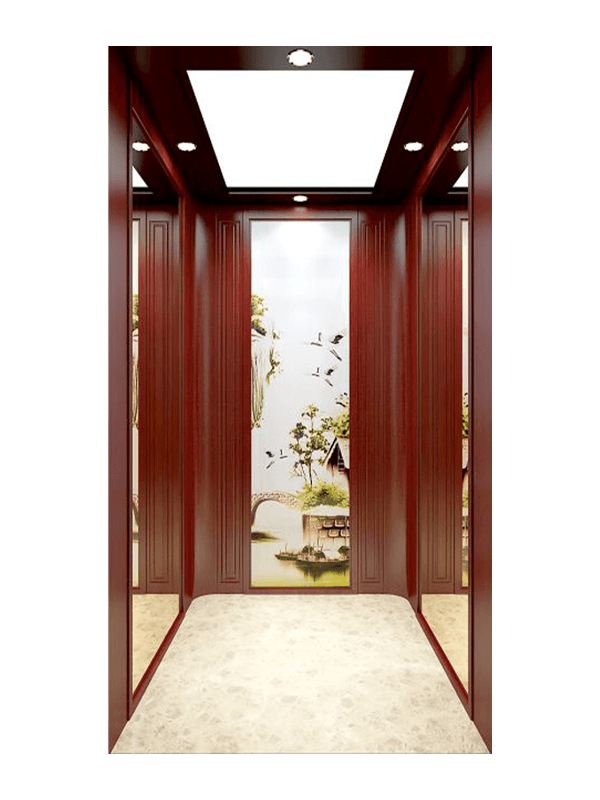
- Wood veneer panels create warmth and blend well with classic or natural villa interiors but require proper surface treatment.
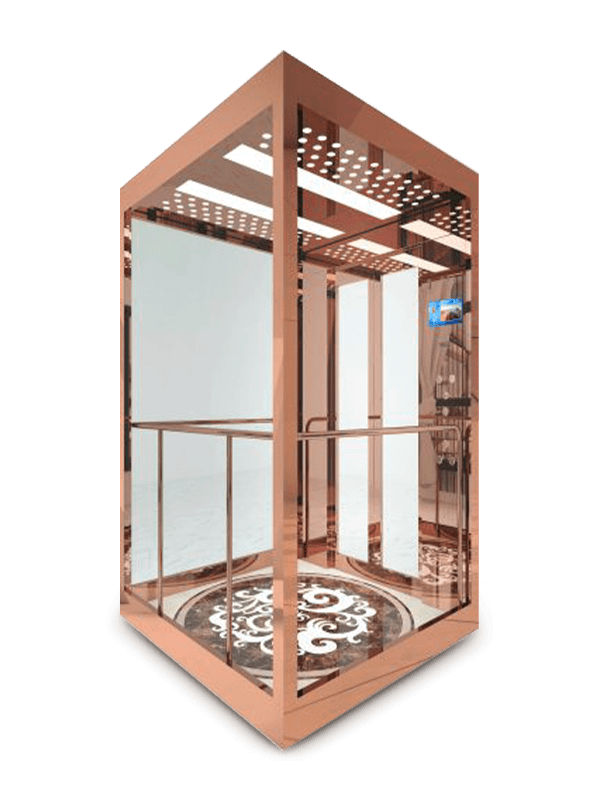
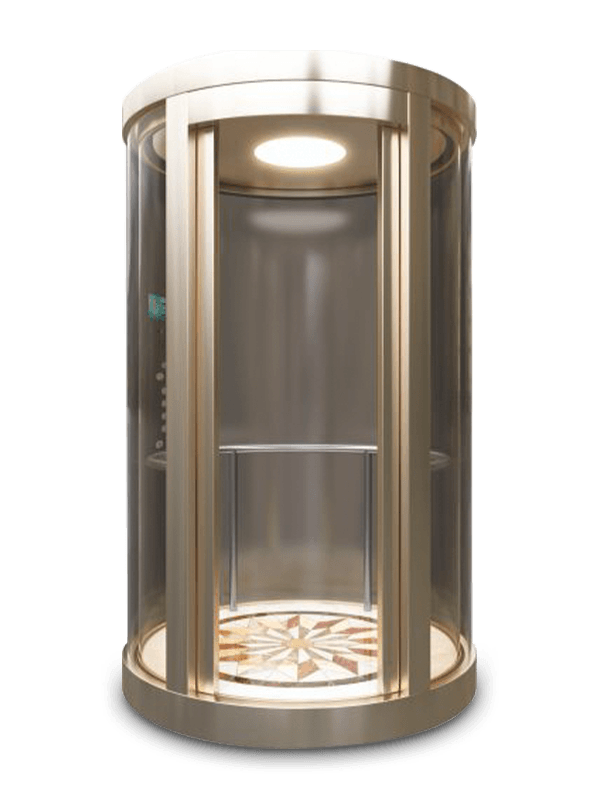
- Glass or mirror finishes visually expand the space and improve brightness, especially in smaller elevator cars.
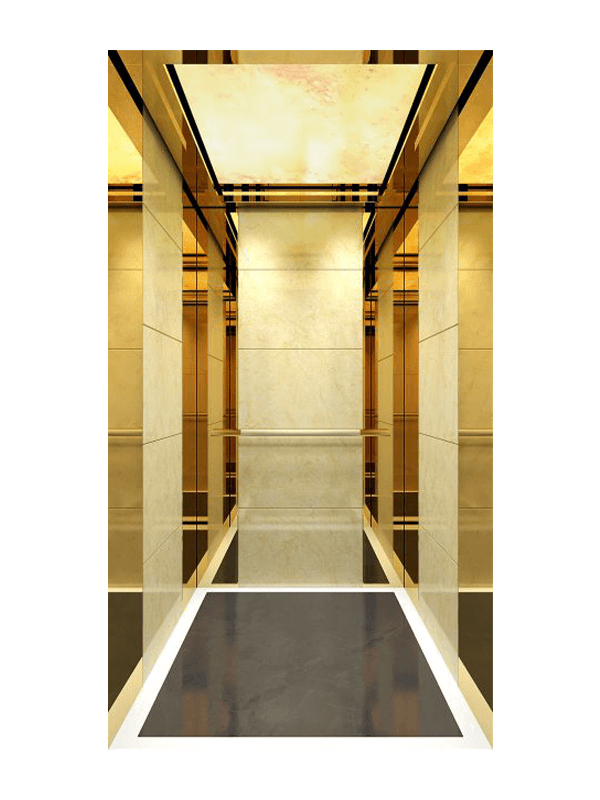
- Stone or faux-stone panels provide a high-end look but should be used selectively to avoid excessive weight.
Lighting Design Inside the Elevator Car
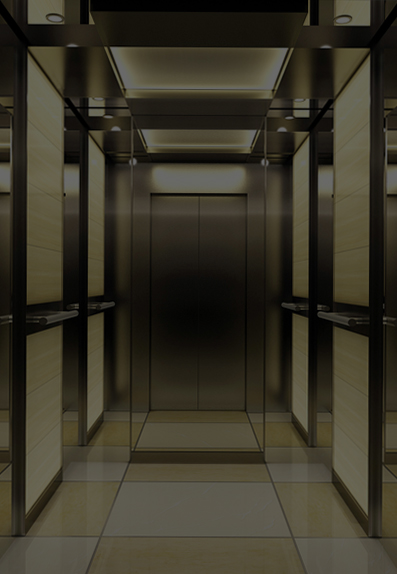
Lighting plays a critical role in villa elevator car decoration. Proper lighting enhances safety, reduces anxiety in enclosed spaces, and highlights decorative details. Soft, evenly distributed light is generally preferred over harsh or overly bright fixtures.
Practical Lighting Considerations
- LED ceiling lights provide energy efficiency and long service life.
- Indirect lighting around ceiling edges reduces glare and creates a calm atmosphere.
- Warm color temperatures are more suitable for residential settings than cold white light.
Color Schemes and Visual Balance
Color selection strongly influences how an elevator car feels. In villa elevator car decoration, neutral tones are often chosen to maintain timeless appeal and avoid visual fatigue. However, subtle contrasts can add depth without overwhelming the space.
Light colors such as beige, soft gray, or cream help make small elevator cars feel more open, while darker accents can be used on handrails or lower panels to add visual stability and reduce visible wear.
Flooring Choices for Safety and Durability
Flooring is often overlooked in villa elevator car decoration, yet it directly affects safety and comfort. Elevator floors should be slip-resistant, easy to clean, and visually consistent with the villa’s interior flooring.
| Material | Advantages | Notes |
| PVC Flooring | Lightweight, slip-resistant | Suitable for frequent use |
| Stone Composite | Elegant appearance | Check weight limits |
| Carpet Tiles | Noise reduction | Requires regular cleaning |
Acoustic Comfort and Noise Reduction
In a villa environment, elevator noise can be more noticeable than in commercial buildings. Elevator car decoration can help reduce perceived noise through thoughtful material choices. Soft wall panels, acoustic backings, and insulated ceilings contribute to a quieter ride.
Even small details, such as rubber-lined handrails or cushioned wall joints, can significantly improve acoustic comfort without altering the elevator’s structure.
Safety Elements Integrated into Decoration
Safety should always be a priority in villa elevator car decoration. Decorative elements must not interfere with emergency systems or daily operation. Clear visibility of control panels, emergency buttons, and indicators is essential.
- Handrails should be securely fixed and positioned at a comfortable height.
- Mirrors should be made of safety glass or acrylic materials.
- Decorative panels must allow easy access for maintenance and inspection.
Maintenance and Long-Term Practicality
A practical approach to villa elevator car decoration considers long-term maintenance. Materials should resist scratches, fingerprints, and moisture. Removable or modular panels can simplify repairs and updates without requiring a full renovation.
Choosing finishes that age gracefully helps maintain a refined appearance over time. Regular cleaning routines and proper ventilation further extend the life of decorative elements.
Creating a Cohesive Experience
Successful villa elevator car decoration creates a cohesive experience from entry to exit. When the elevator interior aligns with the villa’s architectural language, it feels intentional rather than isolated. This consistency enhances daily comfort and reinforces the home’s overall design quality.
By focusing on practical materials, thoughtful lighting, safety, and ease of maintenance, villa owners can achieve an elevator car decoration that supports both function and comfort without unnecessary complexity.