

 English
 عربى
عربى Deutsch
 Español
 Français
 русский
 日本語
日本語 简体中文
简体中文Content
- 1 Understanding the Functional Role of Villa Elevator Background Boards
- 2 Key Performance Requirements in Residential Elevator Cabins
- 3 Common Materials Used for Villa Elevator Background Boards
- 4 Material Comparison for Practical Decision-Making
- 5 Installation Methods and Structural Considerations
- 6 Design Coordination with Interior Spaces
- 7 Maintenance and Long-Term Care Strategies
- 8 Balancing Cost, Performance, and Future Adaptability
Understanding the Functional Role of Villa Elevator Background Boards
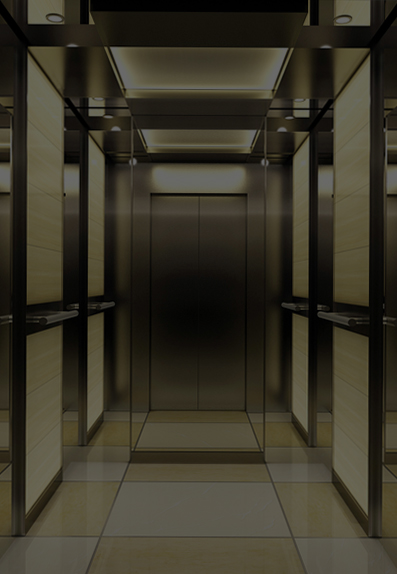
Villa elevator background boards are more than decorative wall panels. They form the visual and structural backdrop of the elevator cabin, directly affecting durability, safety compliance, acoustic performance, and long-term maintenance. In private villas, where elevators are often customized rather than standardized, background boards must balance aesthetics with practical constraints such as limited shaft space, frequent close-range contact, and varying environmental conditions.
Unlike commercial elevators, villa elevators typically serve a small number of users but operate in closer proximity to living spaces. This makes material stability, low noise behavior, and ease of cleaning especially important. A well-chosen background board reduces vibration resonance, protects underlying cabin structures, and contributes to a consistent interior design language across the home.
Key Performance Requirements in Residential Elevator Cabins
Before selecting materials or finishes, it is essential to understand the functional expectations placed on villa elevator background boards. These requirements differ from those of public buildings, focusing more on comfort, refinement, and longevity than on high-traffic resistance alone.
- Structural stability under vibration and repeated start-stop motion
- Resistance to deformation caused by humidity or temperature variation
- Surface durability against light impacts, cleaning agents, and daily contact
- Compatibility with fire safety and residential elevator standards
- Ease of installation and future replacement without dismantling the cabin
Common Materials Used for Villa Elevator Background Boards
Material choice directly determines both performance and visual outcome. In villa projects, background boards are often selected to align with interior décor themes while meeting mechanical and safety needs.
Decorative Metal Panels
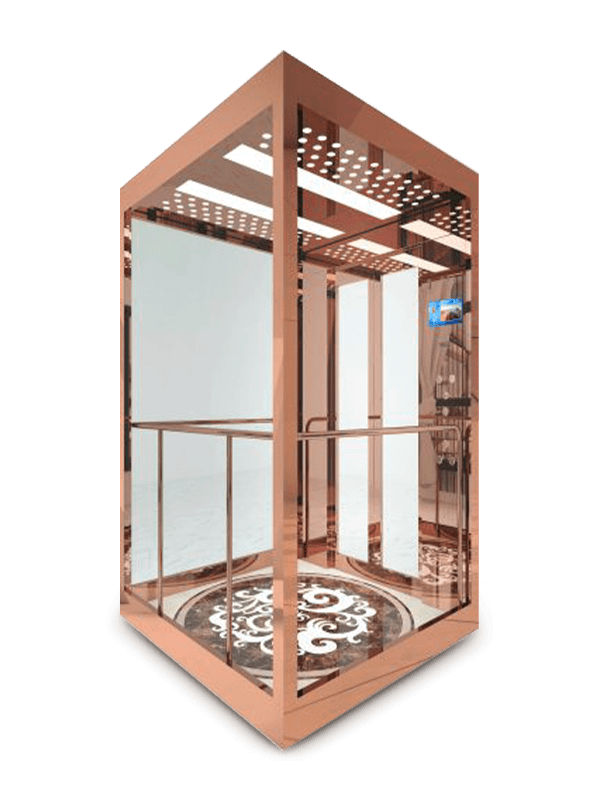
Stainless steel and aluminum composite panels are widely used due to their dimensional stability and ease of maintenance. Brushed or patterned metal finishes provide a modern appearance and resist moisture well. However, attention must be paid to panel thickness and backing support to prevent oil-canning effects caused by vibration.
Engineered Wood and Veneer Boards
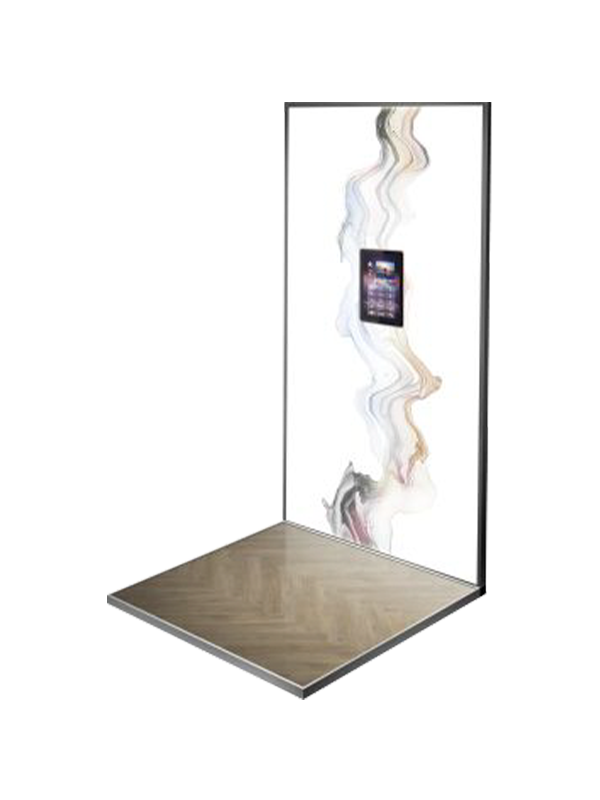
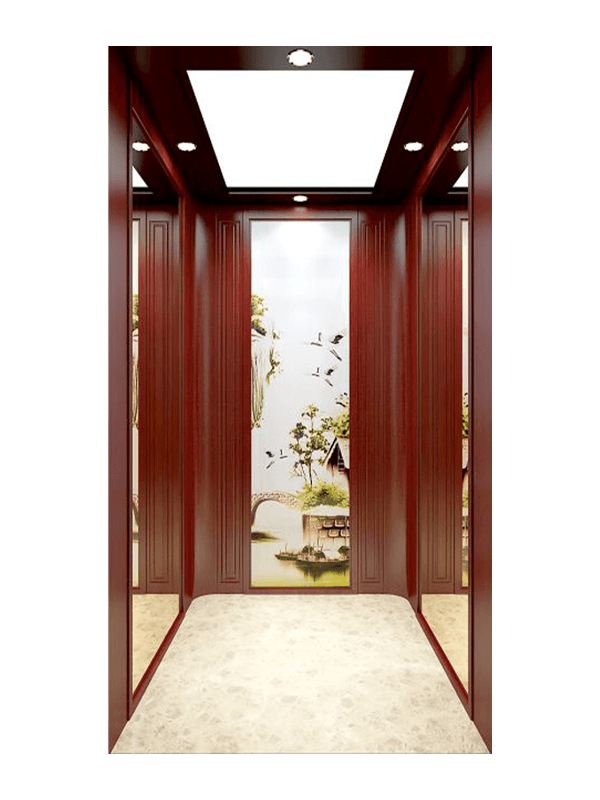
Engineered wood cores with natural wood veneer surfaces are popular in villas aiming for warmth and continuity with interior furnishings. These boards must be properly sealed on all sides to minimize moisture absorption. In elevator cabins, they are usually mounted on reinforced substrates rather than directly fixed to the cabin wall.
Stone-Pattern or PVC Decorative Boards
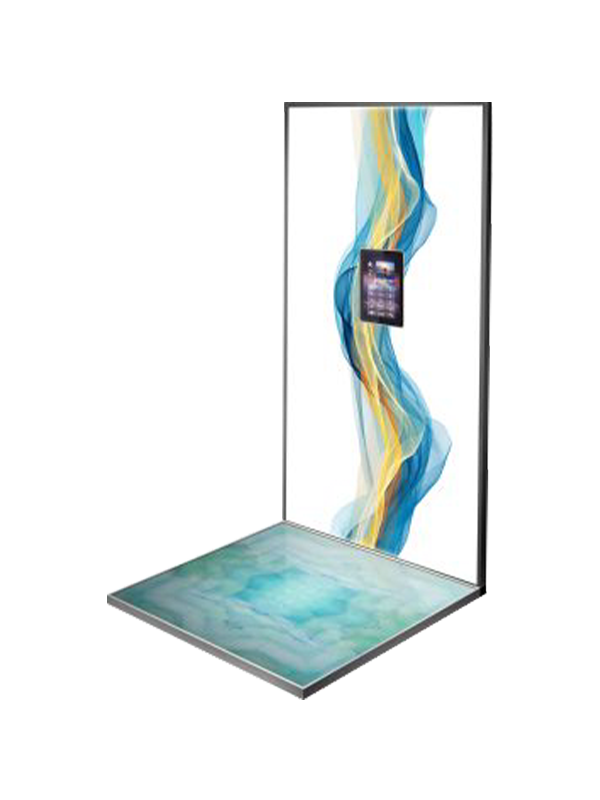
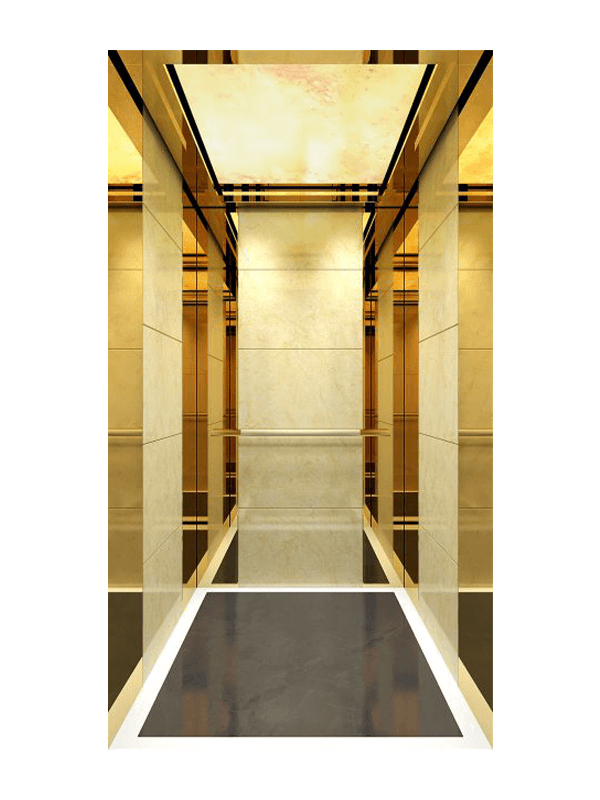
Lightweight stone-pattern boards or PVC-based decorative panels offer the visual effect of marble or textured surfaces without excessive weight. They are often chosen for retrofitting existing elevators where load margins are limited. Proper fire-rating verification is essential when using polymer-based materials.
Material Comparison for Practical Decision-Making
| Material Type | Durability | Moisture Resistance | Maintenance Effort | Design Flexibility |
| Metal Panels | High | High | Low | Moderate |
| Engineered Wood | Moderate | Moderate | Moderate | High |
| PVC Decorative Boards | Moderate | High | Low | High |
Installation Methods and Structural Considerations
Installation quality has a direct impact on service life. In villa elevators, background boards are typically mounted using concealed fasteners or modular rail systems. This allows panels to expand slightly without stress buildup and makes future removal feasible.
A layered installation approach is often recommended. This includes a vibration-dampening layer between the cabin wall and the background board, reducing noise transmission and preventing micro-movements that could loosen fasteners over time.
Design Coordination with Interior Spaces
Villa elevators are visually integrated into living environments rather than isolated as utility spaces. Background boards should reflect the broader interior palette, whether that means matching wall finishes, complementing flooring materials, or echoing door textures.
Practical coordination includes controlling reflectivity to avoid glare, selecting neutral tones that age well, and avoiding overly complex textures that can collect dust in confined spaces. Subtle design continuity often delivers better long-term satisfaction than bold visual statements.
Maintenance and Long-Term Care Strategies
Even low-use residential elevators benefit from a maintenance-oriented mindset. Background boards should be inspected periodically for loose edges, surface wear, or moisture-related changes. Cleaning protocols must match the surface material, avoiding abrasive tools or harsh chemicals that can degrade finishes.
- Use neutral cleaners for metal and PVC surfaces
- Avoid excess water when cleaning wood-based boards
- Check fasteners annually for signs of loosening
- Address minor surface damage early to prevent spreading
Balancing Cost, Performance, and Future Adaptability
Selecting villa elevator background boards is a long-term decision. While premium materials may increase initial costs, they often reduce maintenance frequency and replacement risk. Equally important is adaptability; modular designs allow background boards to be updated if interior styles change, without replacing the entire cabin.
A practical approach focuses on stable core materials, restrained surface finishes, and installation systems that respect the mechanical nature of elevators. When these factors are considered together, background boards become a quiet but reliable contributor to residential comfort and safety.