

 English
 عربى
عربى Deutsch
 Español
 Français
 русский
 日本語
日本語 简体中文
简体中文Content
- 1 What Elevator Car Decoration Actually Covers
- 2 Choosing the Right Material: A Practical Analysis
- 3 Styling Systems That Actually Work
- 4 Accessories that complement the interior
- 5 Humidity, durability and long-term performance
- 6 Personalization: when standard series are not enough
- 7 Three decisions that define the outcome
Most elevator interiors are an afterthought: bare stainless steel panels, fluorescent lighting, and scuffed floors. Yet for villa owners, hotel operators and property developers, the cabin is the first impression that passengers take with them long after the doors open. Elevator car decoration is the discipline of turning that neglected box into a deliberate design statement, and doing it right takes a lot more than choosing a pretty finish.
What Elevator Car Decoration Actually Covers
Automotive decoration is not a single product, it is a system. Every surface inside the cabin contributes: wall panels, ceiling, floor, handrails, door faces, light fixtures and control panels. A mismatch between any one of these elements compromises the entire effect. That's why the most cohesive interiors are specified as a complete package rather than assembled piece by piece from different suppliers.
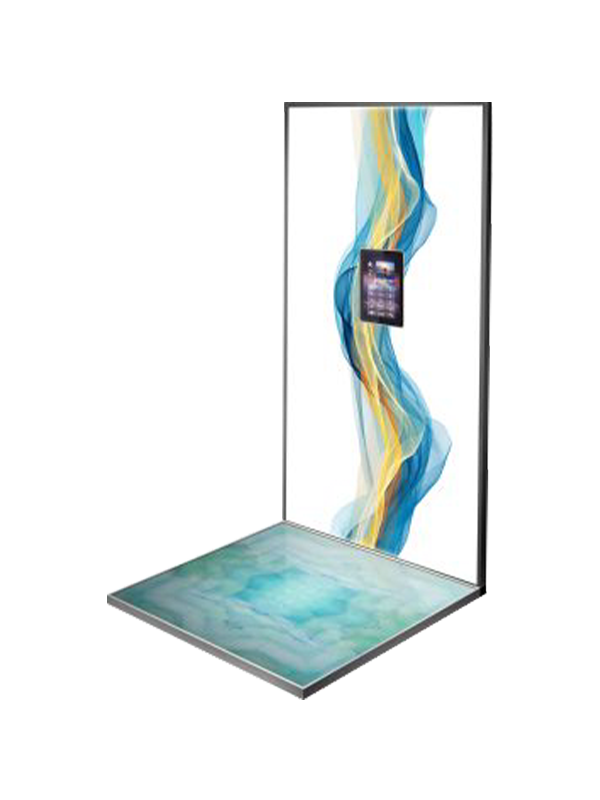
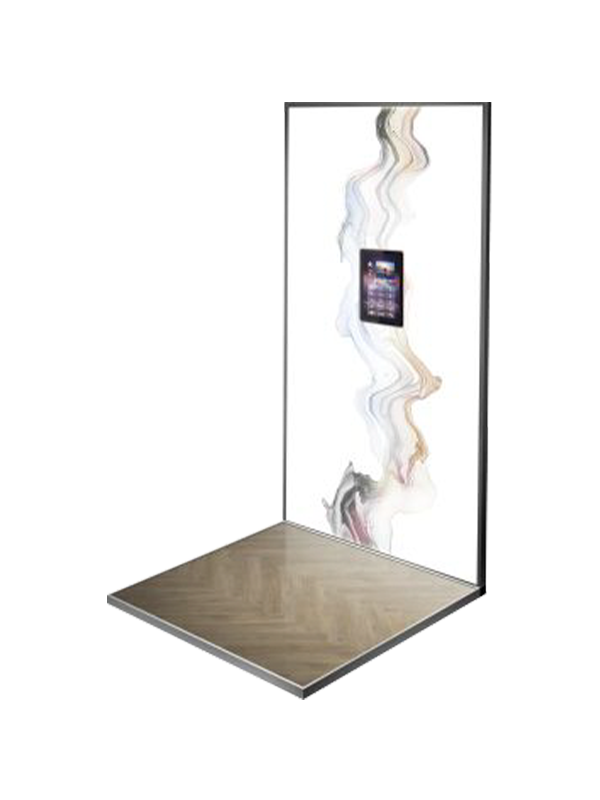
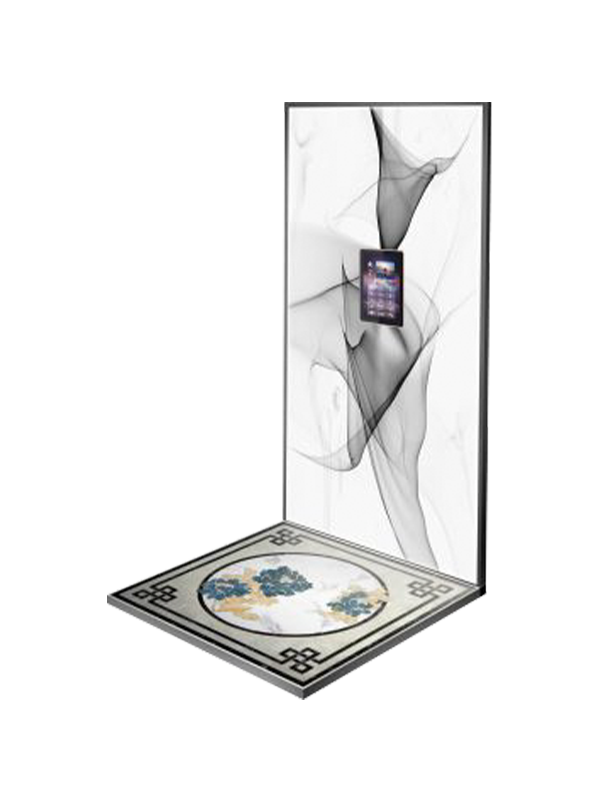
The main product categories in well-designed packaging include elevator car decoration series (wall panels, overall cabin style), optional accessories such as landing doors, ceilings and tiles, as well as background panels for accent walls. Each layer composes the final result.
Choosing the Right Material: A Practical Analysis
The choice of materials is the decision that most affects long-term satisfaction, because the wrong choice degrades both visually and structurally. Here's how the top options compare:
| Material | Key advantage | Ideal for | Maintenance level |
|---|---|---|---|
| Brushed/engraved stainless steel | Durable, corrosion resistant, hides fingerprints better than mirror finish | Villas, commercial halls, high traffic buildings | Low |
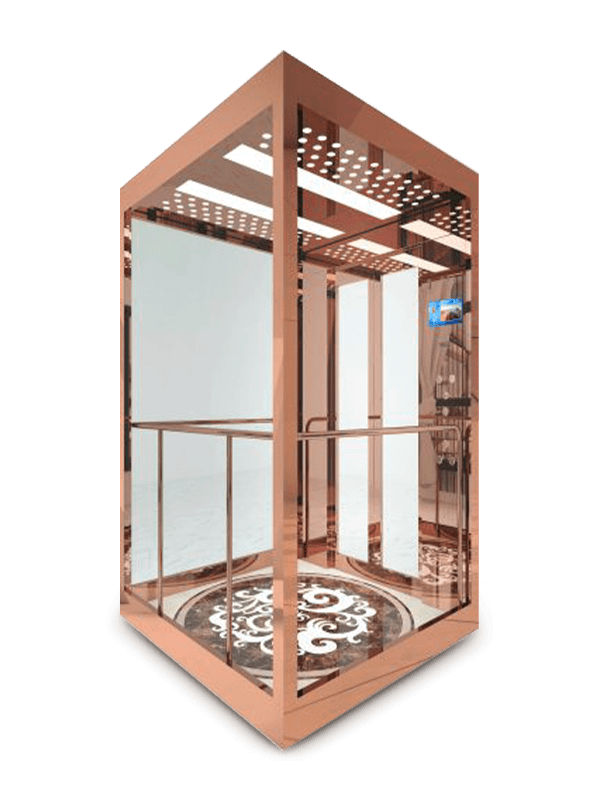
| Rose gold / Titanium stainless | Warm tones that add luxury without heavy visual weight | Boutique hotels, premium residences | Low |
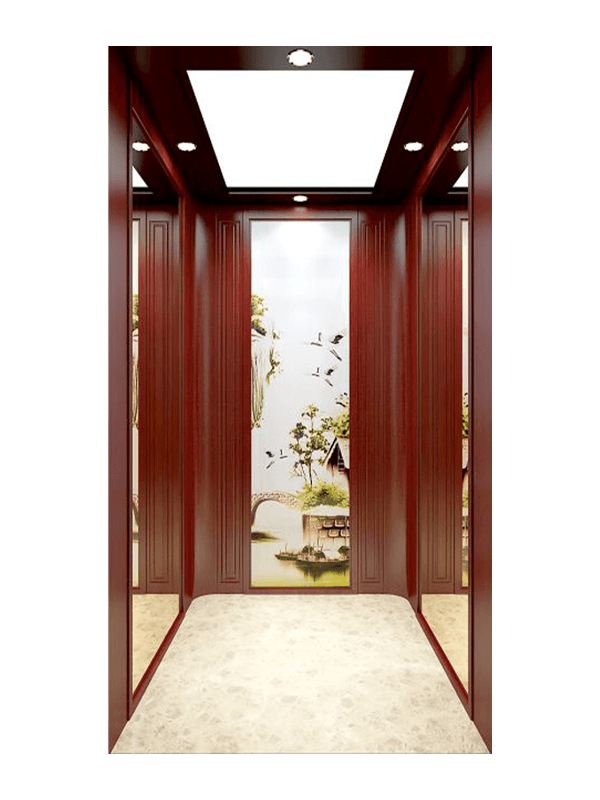
| Wood grain/wood veneer | Natural warmth, timeless charm | Villas, classic style interiors | Medium (anti-corrosion treatment required) |
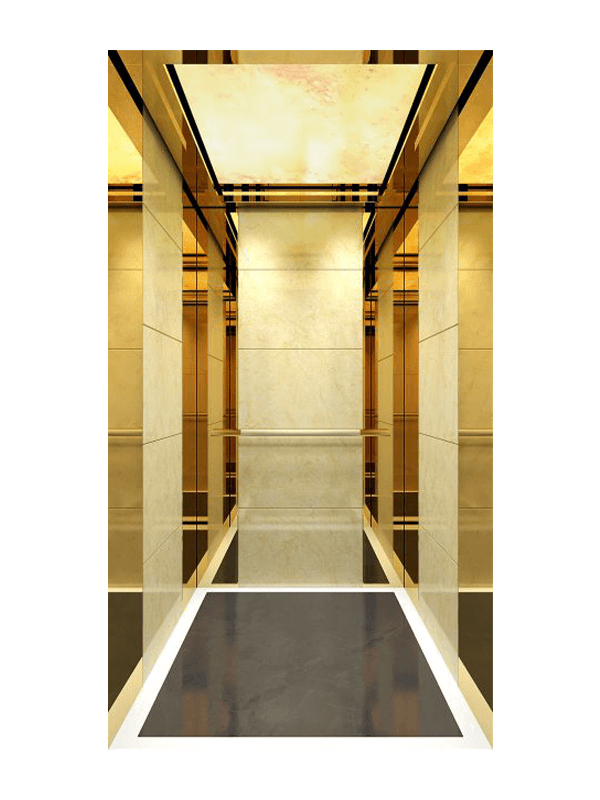
| Imitation Marble | Luxurious appearance at a lower cost and weight than natural stone | Residential elevators where marble weight is an issue | Low |
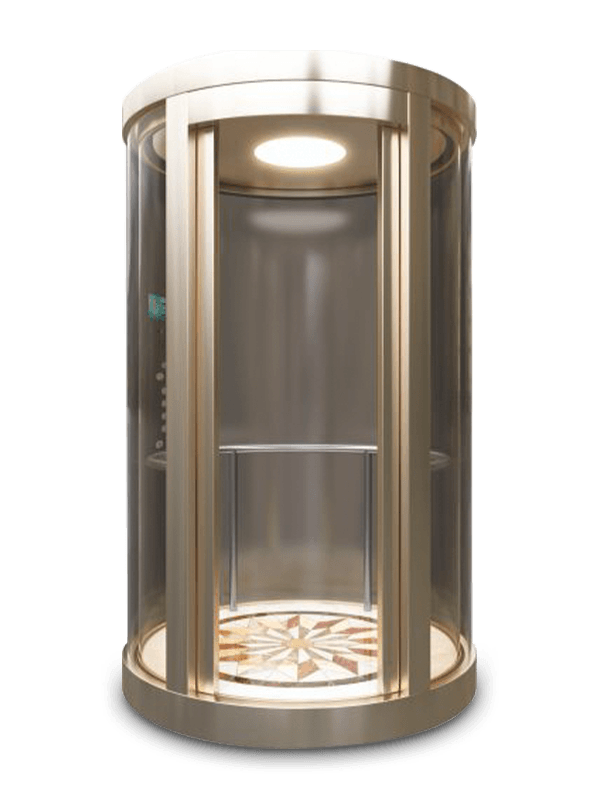
| Glass panels | Aperture, works well in scenic/tourist designs | Tourist elevators, modern open concept houses | Medium (regular cleaning required) |
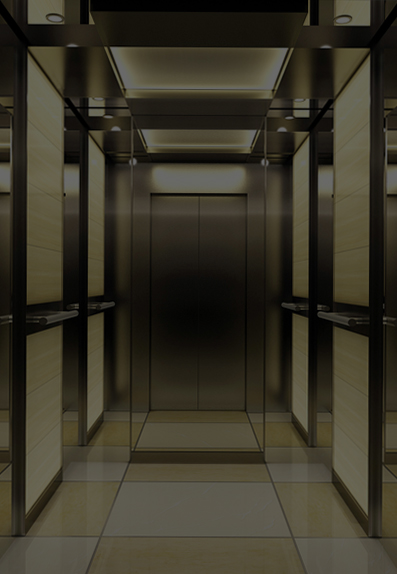
For villas specifically, stainless steel and engineered wood grain are the two most requested finishes: steel for contemporary or transitional interiors, wood grain for homes with warmer, more traditional palettes. Products like Woodgrain Elevator Car Interior and the stainless steel cabin decoration are reliable starting points in both directions.
Styling Systems That Actually Work
Rather than thinking in terms of individual finishes, experienced designers work from a style system: a cohesive visual language that extends from landing doors to the ceiling. The four most common systems for private elevators are:
- Modern Minimalist: Clean lines, neutral tones, brushed metal, recessed lighting. No visual clutter. Goes well with contemporary architecture.
- Luxury Classic: Rich materials, panel details, warm metals like champagne gold or rose gold, decorative ceiling. The decoration luxury elevator cabin captures this direction well.
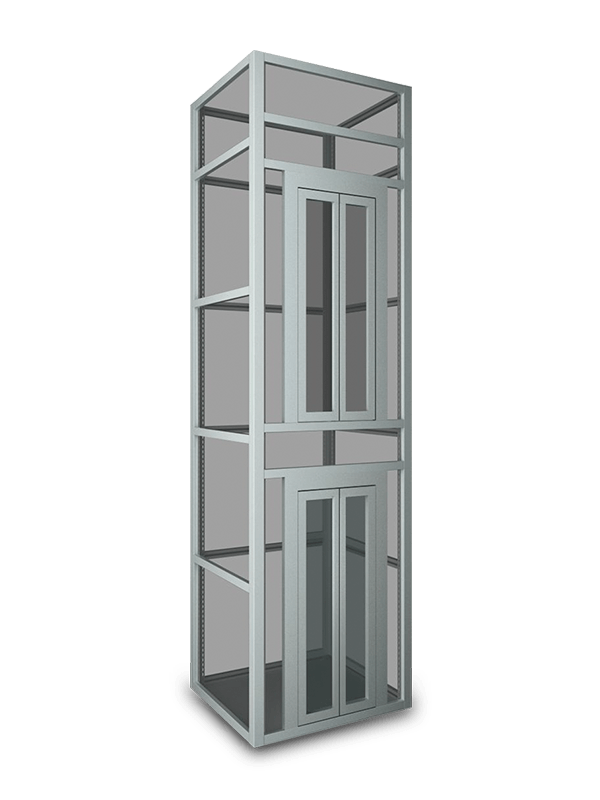
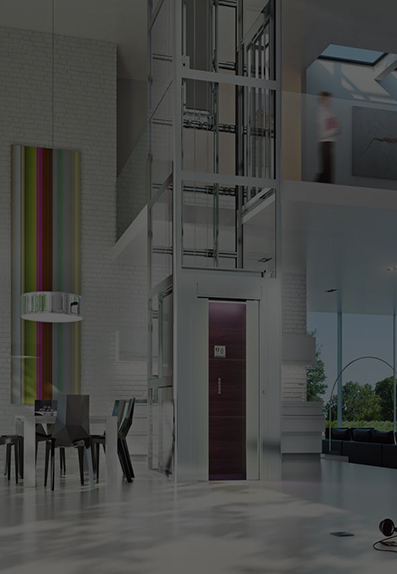
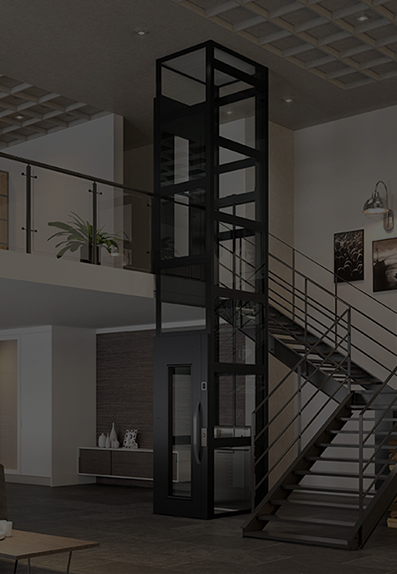
- Panoramic / Visits: Maximum glass, aluminum frame, emphasis on the view of the interior. Suitable for villas with spectacular staircases or gardens.
- Warm residential: Faux wood panels, soft lighting, discreet banisters: it looks more like a room than an elevator. Particularly suitable for elderly occupants who spend more time in the cabin.
Accessories that complement the interior
Wall panels account for around 60% of the visual impact, but the remaining 40% comes from often under-specified accessories. Ceiling design, for example, significantly changes perceived height: a backlit panel with a diffused glow gives a sense of space to even a compact villa elevator. Floor tiles introduce texture underfoot and anchor the palette; options range from stone-effect porcelain to patterned stainless steel floor plates.
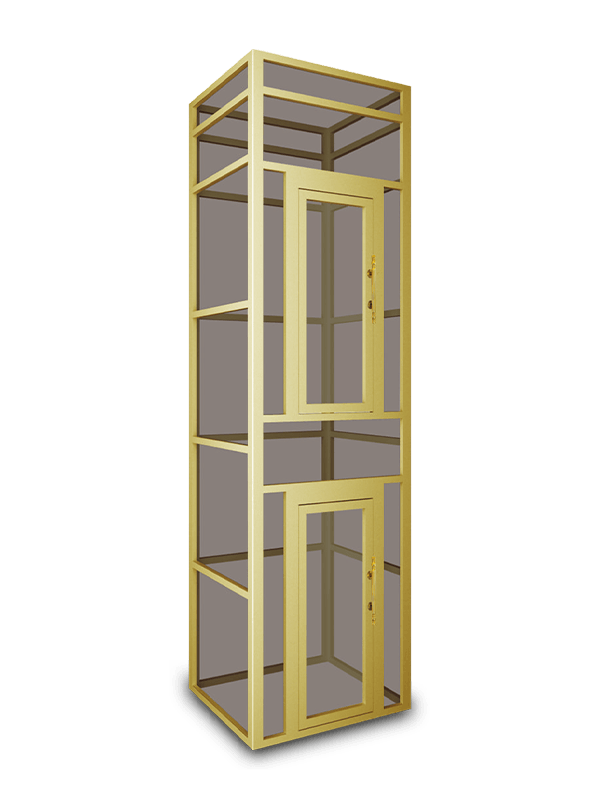
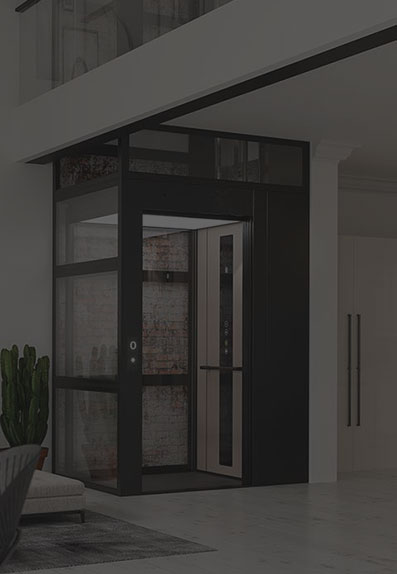
The landing doors constitute the exterior face of the elevator on each floor. Not matching the interior of the cabin is a common mistake. Coordinate the finish of the door - whether it is a elevator car landing door in rose gold , etched stainless steel or glass door - together with the cabin panels this gives the impression of a unified installation rather than an assembled kit. Control panels and human-machine interfaces are the final touchpoint: a touchscreen floor selector in a premium brushed finish feels intentional; a generic plastic box does not.
Humidity, durability and long-term performance
Villa elevators often operate in harsh environments: coastal humidity, temperature cycling between air-conditioned interiors and hot exteriors, or exposure to the atmosphere of an indoor swimming pool. Materials chosen solely for their appearance can warp, discolor or peel within two to three years under these conditions.
The practical solution is to specify panels with moisture-proof coatings applied during manufacturing, choose corrosion-resistant alloys for hardware and handrails, and ensure that all engineered wood products have been treated against moisture absorption. Stainless steel remains the most reliable base material in wet conditions; engraved or patterned surfaces - like the engraved stainless steel elevator interior — add visual depth while retaining all the durability benefits of the base metal.
Maintenance is simple for most modern finishes: a damp cloth with a mild detergent allows for routine cleaning. Avoid abrasive cleaners on brushed metal surfaces, as they permanently change the direction of the grain. Inspect panel fasteners annually: loose panels in a moving cabin create noise and accelerate wear at contact points.
Personalization: when standard series are not enough
Standard decor series cover the majority of projects, but some villas have architectural constraints: unusual cabin dimensions, curved walls, or interior design schemes that require a custom match. Full customization allows panels to be specified in exact dimensions, with mixed finishes on the surfaces (for example, a faux wood back wall combined with stainless steel side panels and rose gold ceiling trim). This approach is significantly more cost-effective than it was a decade ago, as CNC cutting and digital surface printing have brought custom manufacturing within reach of most project budgets. If a standard product line gets you 80% of the way there, a custom elevator decoration solution bridges the gap.
Three decisions that define the outcome
If you're specifying an elevator car decor for the first time, these three decisions carry the most weight: Firstly, lock down the style system before choosing individual products – this avoids mismatched finishes and wasted samples. Second, prioritize material durability over visual novelty, especially in residential environments where the elevator will operate for fifteen to twenty years. Third, consider landing doors as part of the cabin, not separate from it: their coordination with the interior determines whether the finished installation appears deliberate or put together. Everything else is detail.