

 English
 عربى
عربى Deutsch
 Español
 Français
 русский
 日本語
日本語 简体中文
简体中文Content
- 1 1. Why Installation Method Matters for Villa Elevator Background Boards
- 2 2. Overview of Common Attachment Methods
- 3 3. Structural Frame Mounting: The Most Stable Method
- 4 4. Mechanical Fasteners: A Reliable and Adjustable Solution
- 5 5. Industrial-Grade Adhesives: A Clean and Efficient Option
- 6 6. Magnetic Systems: An Emerging Modern Technique
- 7 7. Factors That Influence the Attachment Method
- 8 8. Best Practices for a Durable, Professional Installation
- 9 9. Common Mistakes to Avoid
- 10 10. Conclusion: A Secure and Aesthetic Approach to Elevator Decoration
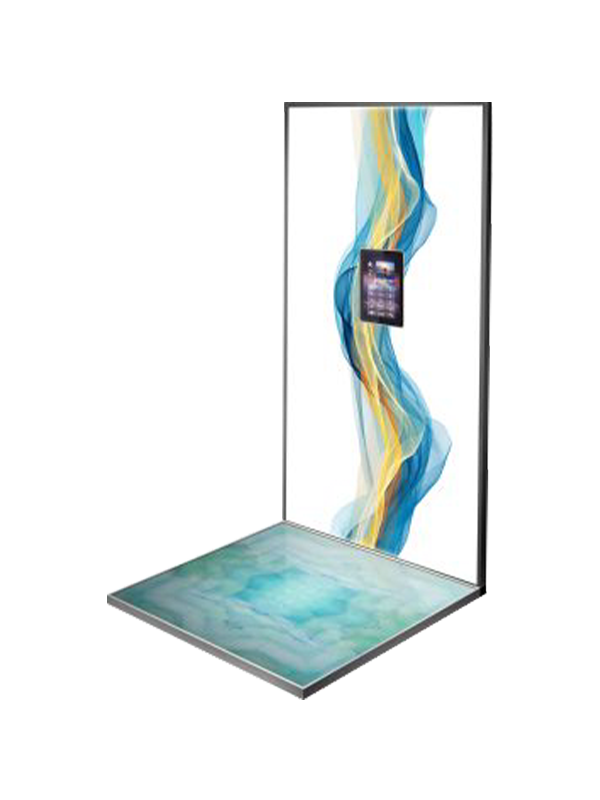
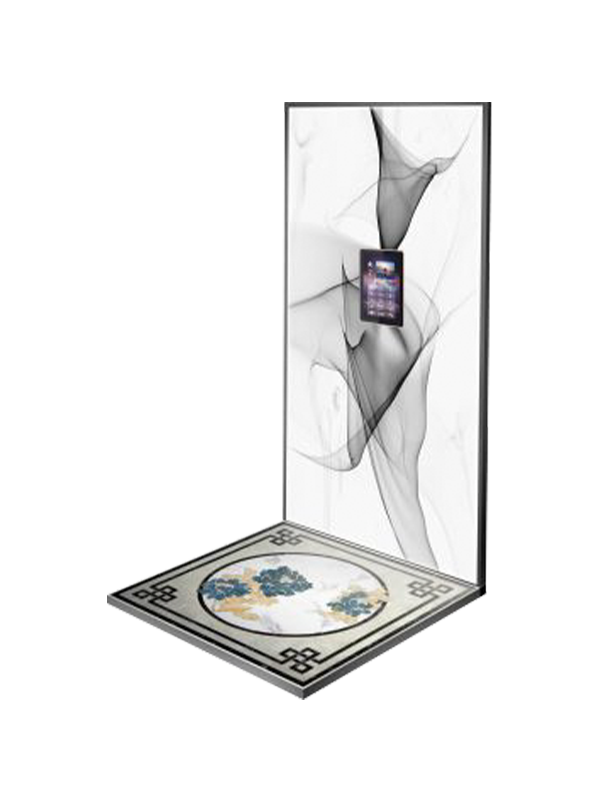
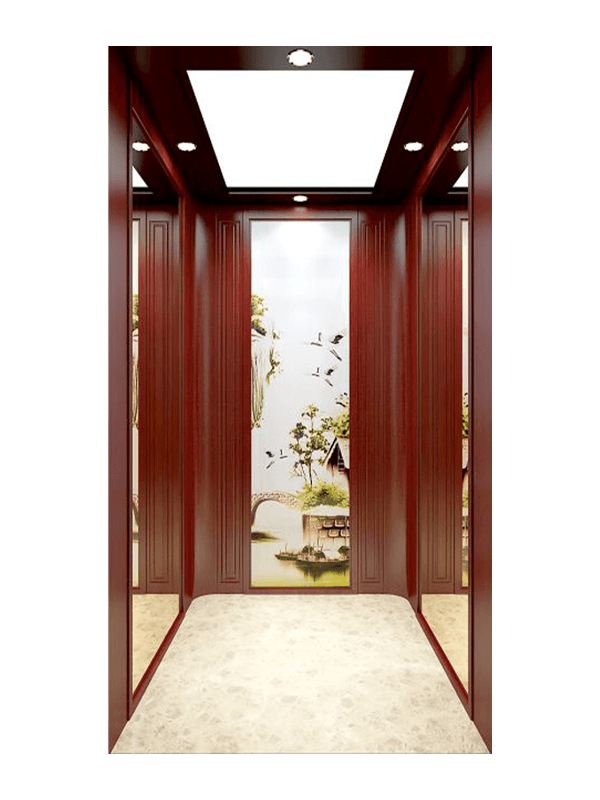
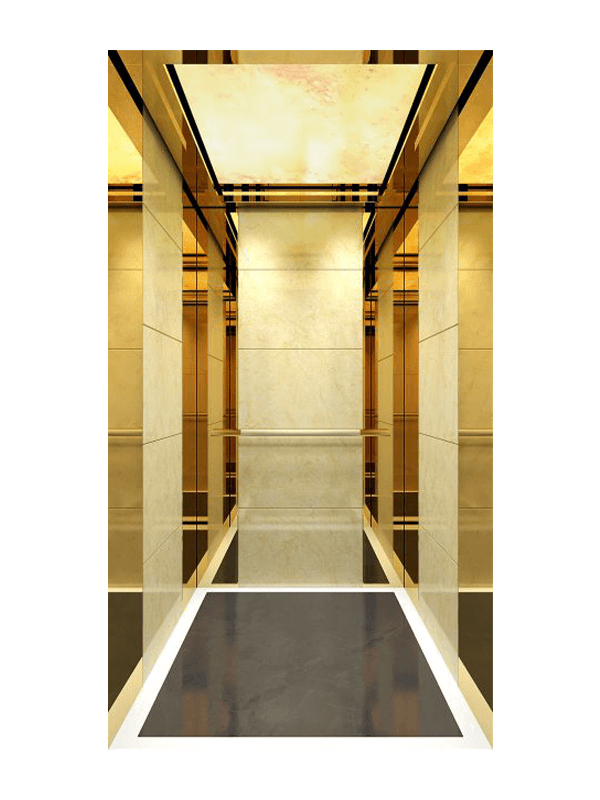
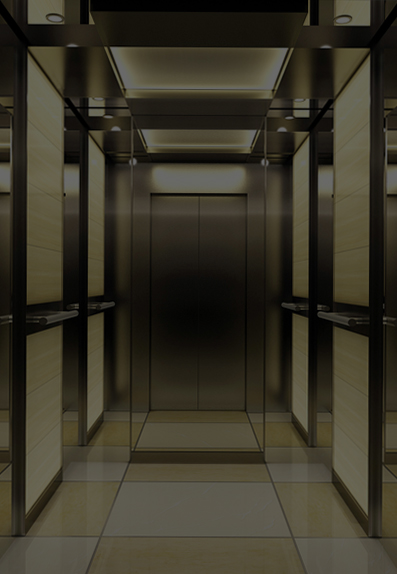
The interior of a villa elevator has become more than a simple functional enclosure. Homeowners today increasingly view it as an extension of their interior décor, expecting the elevator cabin to reflect the overall style and atmosphere of the home. As a result, Villa Elevator Background Boards have gained significant attention. They are used to upgrade elevator interiors with materials that resemble marble, wood, metal, or artistic panels. While appearance is a major reason people choose them, a practical question often arises: How do Villa Elevator Background Boards actually attach to elevator walls?
Understanding the installation methods is crucial for homeowners, designers, and installers. It affects not only aesthetics but also long-term stability, maintenance convenience, compliance with safety standards, and the overall lifespan of the elevator interior. This article explains, in detail, the common attachment methods, their advantages, the conditions that influence installation choices, and the best practices to ensure a secure and professional finish.
By the end, you will have a clear understanding of how Villa Elevator Background Boards are mounted and what you should consider before beginning or approving an installation.
1. Why Installation Method Matters for Villa Elevator Background Boards
Villa Elevator Background Boards may look like decorative panels, but they serve a technical function as well. They cover structural surfaces, protect elevator cab walls from scratches, and create a more comfortable environment for users. With elevators being confined spaces that experience movement and vibration, the way these boards attach to the walls determines whether they remain stable for years.
A well-executed installation will ensure:
- Strong adhesion or anchoring
- Alignment that supports seamless visual design
- Compliance with elevator safety guidelines
- Easy replacement of damaged panels
- Resistance to vibration, humidity, and daily wear
For these reasons, reputable suppliers and installers follow standardized procedures that balance aesthetics with long-term performance.
2. Overview of Common Attachment Methods
Villa Elevator Background Boards are typically mounted using one or a combination of the following methods:
- Structural frame mounting
- Mechanical fasteners
- Industrial-grade adhesives
- Magnetic systems (less common but emerging)
Each method serves a different purpose. The choice depends on panel material, elevator wall construction, and design requirements.
3. Structural Frame Mounting: The Most Stable Method
How It Works
Structural frame mounting involves installing a metal or composite frame directly onto the elevator’s interior wall. The Villa Elevator Background Boards are then attached to the frame rather than the elevator wall itself.
The process usually includes:
- Measuring the interior cabin dimensions
- Fabricating a frame using aluminum alloy or stainless steel
- Securing the frame to the existing elevator walls with bolts
- Locking the background boards into place using clips, grooves, or adhesive
Why Installers Prefer This Method
- Excellent stability: The frame distributes weight evenly and reduces the risk of panels loosening over time.
- Cleaner installation: Frames help achieve perfectly straight seams and uniform spacing.
- Flexibility: Boards can be replaced without disturbing the main structure.
- Durability: The frame acts as a shock-absorbing layer, helping panels withstand vibration.
When It’s Used
This method is widely used when:
- The panels are made of heavier materials (e.g., artificial stone or thick PVC).
- The elevator interior has uneven surfaces that require adjustment.
- The design calls for embedded lighting or accent trims.
Structural frames also meet the safety requirements of many elevator manufacturers, making them a favored choice for long-term reliability.
4. Mechanical Fasteners: A Reliable and Adjustable Solution
Mechanical fasteners such as screws, metal clips, or embedded hooks provide another solid option for attaching Villa Elevator Background Boards.
How It Works
Installers may:
- Use screws that go through the board into the elevator’s structural backing
- Use concealed clip systems where the board clicks into place
- Employ “Z-clip” or “French cleat” systems that allow panels to slide or hook onto anchors
Benefits of Mechanical Fasteners
- High precision: Panels can be aligned or repositioned during installation.
- Strong hold: Fasteners physically secure the boards, reducing the risk of separation.
- Removability: Panels can be taken down for maintenance without damaging the elevator wall.
Limitations
- Visible screws may detract from design unless concealed hardware is used.
- The method requires a stable underlying wall surface.
When Installers Choose Fasteners
Mechanical fastening is ideal for:
- Lightweight composite boards
- Textured surfaces where adhesive may not bond as effectively
- Design layouts requiring easy panel replacement
It is also commonly applied when the elevator manufacturer specifies mechanical support as part of compliance standards.
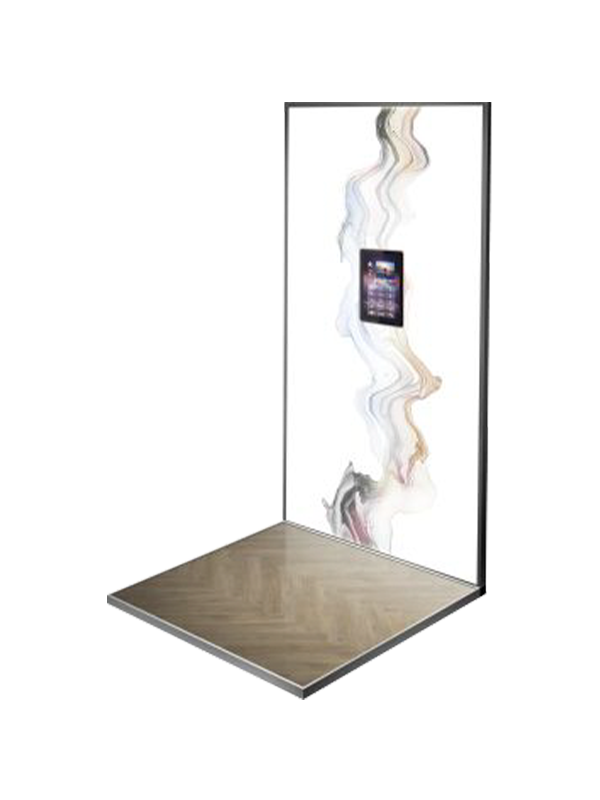
5. Industrial-Grade Adhesives: A Clean and Efficient Option
High-strength adhesives are among the most widely used methods for mounting Villa Elevator Background Boards because they combine efficiency with clean aesthetics.
How Adhesive Installation Works
The typical process includes:
- Cleaning and preparing the elevator wall surface
- Applying adhesive evenly on the board or wall
- Positioning the panel carefully
- Using temporary supports until the adhesive cures
Adhesives used for elevator installations tend to be:
- Structural acrylic adhesives
- Polyurethane adhesives
- Silicone-based adhesives (in some cases)
Advantages
- No visible hardware: Smooth, uninterrupted visual lines.
- Fast installation: Cuts installation time significantly.
- Good flexibility: Adhesives absorb vibration better than rigid fasteners.
Considerations and Precautions
- Adhesive strength depends heavily on surface preparation.
- Humidity and temperature may influence curing time.
- Future removal may be more challenging than with mechanical fasteners.
Best Situations for Adhesive Mounting
This approach works well when:
- Panels are lightweight (PVC, PET films, aluminum composite).
- The design calls for a minimalist aesthetic.
- The elevator walls are flat, clean, and structurally sound.
Adhesive installation is particularly common in modern villa elevators due to its combination of practicality and good appearance.
6. Magnetic Systems: An Emerging Modern Technique
Although not yet mainstream, magnetic mounting has gained traction for Villa Elevator Background Boards in high-end or technologically advanced elevator interiors.
How Magnetic Mounting Works
- Magnetic strips or plates are attached to the elevator wall.
- A matching magnetic layer is applied to the background board.
- Panels attach instantly and can be removed without tools.
Advantages
- Extremely easy replacement
- No drilling or adhesives
- Attractive for designs requiring frequent updates
Current Limitations
- Not suitable for heavier panels
- Higher material cost
- Requires perfectly flat surfaces
Magnetic attachment is still an evolving solution but offers unique flexibility.
7. Factors That Influence the Attachment Method
Choosing the right method for installing Villa Elevator Background Boards involves evaluating several technical and practical factors.
1. Material of the Background Board
- Heavy materials (stone-like boards) → frame mounting or mechanical fasteners
- Lightweight materials (PVC, aluminum composite) → adhesive or magnetic systems
2. Elevator Wall Construction
- Smooth steel surfaces accept adhesive well
- Uneven or thin walls often require a structural frame
- Existing decorative elements may limit hardware options
3. Design and Aesthetic Requirements
- Seamless finishes may favor adhesives
- Luxury designs with lighting often use a modular frame
4. Safety and Manufacturer Requirements
Some elevator manufacturers specify permitted installation methods to ensure added materials do not interfere with safety features or weight limits.
5. Maintenance Considerations
Homeowners who expect periodic refurbishment may prefer mechanical or magnetic systems for easier removal.
8. Best Practices for a Durable, Professional Installation
Regardless of which method is used, professionals follow a consistent set of guidelines:
1. Accurate Measurement and Planning
Precise measurements prevent misalignment and ensure all seams match the design intent.
2. Proper Surface Preparation
Surfaces must be:
- Clean
- Dry
- Free of grease or dust
Proper preparation directly affects adhesion strength and long-term stability.
3. Using Certified Materials
Installers typically use:
- Certified adhesives
- Non-corrosive fasteners
- High-quality aluminum or steel for frames
Quality materials help the boards withstand daily use and environmental changes.
4. Considering Ventilation and Safety
Elevator interiors require attention to:
- Fire-resistant material options
- Ventilation gaps where necessary
- Weight limitations
A well-designed project respects engineering constraints while delivering the desired appearance.
5. Professional Installation
While DIY installation may seem attractive, professionals ensure:
- Compliance with elevator standards
- Proper mounting for long-term durability
- Avoidance of unnecessary damage to the elevator structure
This is particularly important because elevators are regulated spaces.
9. Common Mistakes to Avoid
Even minor errors can undermine an otherwise attractive installation. The most frequent pitfalls include:
- Using consumer-grade adhesives not meant for structural applications
- Installing boards directly on uneven walls without leveling
- Ignoring weight restrictions for the elevator cabin
- Misaligning seams or panels
- Failing to consider thermal expansion of certain materials
Avoiding these mistakes contributes to a safer, longer-lasting result.
10. Conclusion: A Secure and Aesthetic Approach to Elevator Decoration
Attaching Villa Elevator Background Boards to elevator walls is a blend of design precision and technical expertise. These boards can be mounted using structural frames, mechanical fasteners, industrial adhesives, or magnetic systems. Each method has advantages, and the right choice depends on panel material, elevator construction, design expectations, and safety requirements.
A well-executed installation ensures the boards remain stable, visually appealing, and compatible with the movement and vibration of a home elevator. For homeowners aiming to refresh or personalize their villa elevator interior, understanding these mounting methods helps in making informed decisions and communicating effectively with installers.
Ultimately, when the installation is carried out properly, Villa Elevator Background Boards offer a reliable and stylish way to elevate the visual appeal of any home elevator, providing long-lasting performance and a refined interior ambience.