

 English
 عربى
عربى Deutsch
 Español
 Français
 русский
 日本語
日本語 简体中文
简体中文Content
- 1 Why the Luxury vs. Functionality Tension Exists in Elevator Car Decoration
- 2 Material Selection: Where Aesthetics and Performance Intersect
- 3 Lighting Design: The Element That Unifies Luxury and Function
- 4 Functional Systems That Must Be Integrated Without Compromising Design
- 5 Customization as the Bridge Between Luxury and Personal Expression
- 6 Design Styles and Their Functional Implications
- 7 The Long-Term Value Perspective
When it comes to elevator car decoration, the central challenge is clear: how do you create a space that feels genuinely luxurious without compromising the safety, durability, and operational integrity that every elevator demands? In villa and high-end residential settings, this balance is not merely a design preference — it is a defining quality standard. Getting it right means the elevator becomes a seamless architectural feature; getting it wrong means costly renovations, maintenance headaches, or a cab that simply feels out of place.
Why the Luxury vs. Functionality Tension Exists in Elevator Car Decoration
Elevator cabins are compact, high-traffic environments subject to constant mechanical vibration, humidity shifts, and repeated cleaning. Materials that look magnificent in a showroom may deteriorate quickly under real operating conditions. At the same time, purely functional interiors — bare stainless steel panels and basic lighting — fail to meet the expectations of homeowners who have invested significantly in the overall design of their property.
The tension arises because luxury materials such as marble, natural wood veneer, and leather upholstery each carry specific maintenance and structural requirements. Marble adds weight. Wood reacts to moisture. Leather is vulnerable to abrasion. None of these are disqualifying factors, but each demands thoughtful engineering to remain both beautiful and dependable over time. Understanding this tension is the first step toward resolving it effectively.
Material Selection: Where Aesthetics and Performance Intersect
Choosing the right materials is the single most consequential decision in elevator car decoration. Every surface must endure vibration, temperature variation, and frequent cleaning while maintaining its original appearance and feel. The good news is that modern material engineering has made it possible to achieve outstanding visual results without sacrificing structural performance.
Here is how the most popular options balance luxury and functionality:
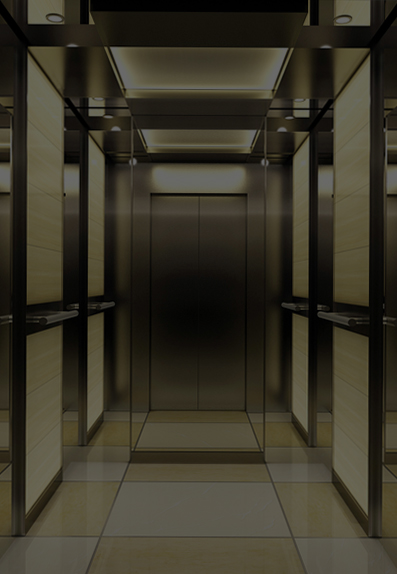
- Stainless steel remains the baseline material for a reason. Brushed or mirror-polished finishes offer a refined, contemporary appearance while resisting corrosion and requiring minimal upkeep. It integrates naturally with modern villa aesthetics and serves as an ideal backdrop for accent materials.
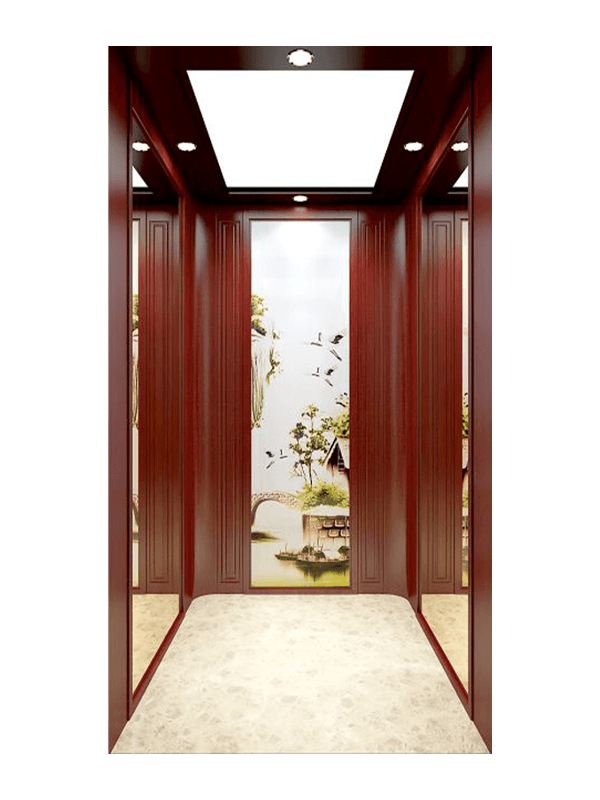
- Wood veneer panels bring warmth and a residential quality to the cab interior. High-quality veneers are treated for moisture resistance and fire compliance, making them suitable for elevator environments. Paired with warm LED strips, they create a cozy, organic atmosphere that feels far removed from a commercial lift.
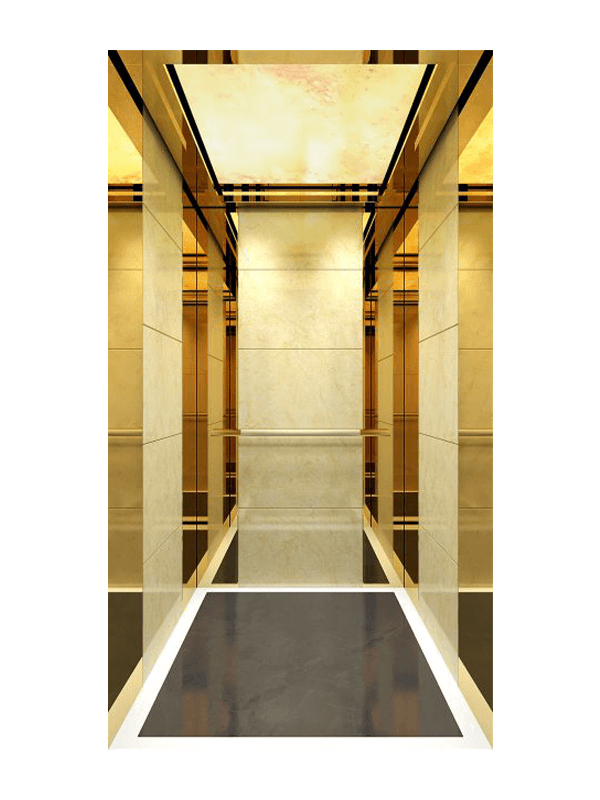
- Marble and natural stone deliver unmatched visual impact. Marble's veined surface and polished finish signal luxury immediately. However, weight must be carefully managed — decorative stone panels are typically produced at reduced thickness and mounted with precision adhesives to keep door and wall loads within safe limits.
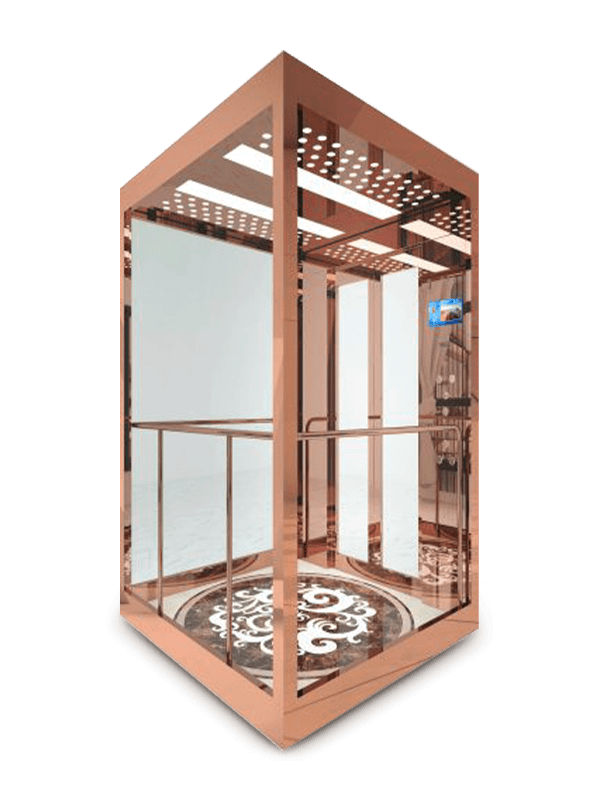
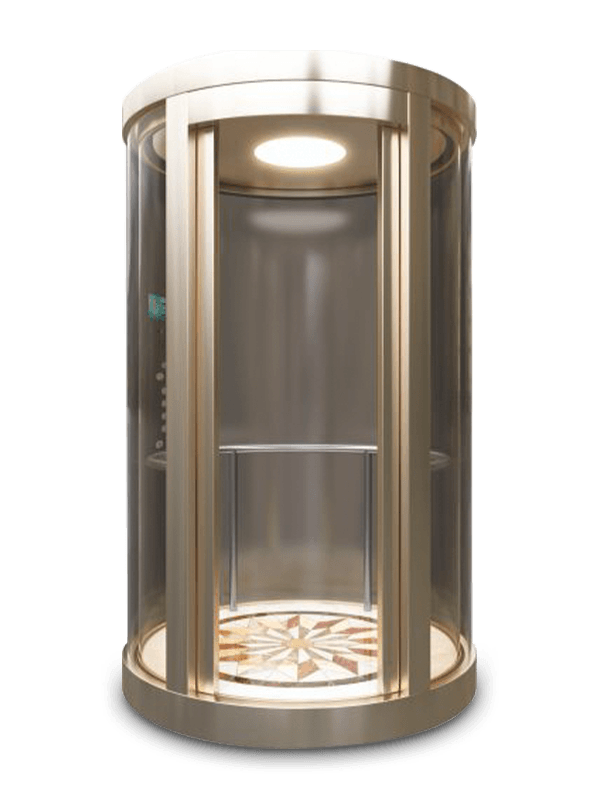
- Glass panels — clear, frosted, or tinted — introduce openness and transparency into what is inherently a compact space. When incorporated into walls or ceiling sections, glass increases the perceived size of the cab and allows lighting to diffuse softly across the interior.
- Leather and fabric upholstery are chosen for tactile luxury. Leather-covered walls or seating surfaces add a layer of sensory richness. Fabric options such as velvet or suede create intimacy and warmth, particularly suited to classic European or art deco villa styles.
The most successful villa elevator car decoration projects combine two or three of these materials rather than relying on a single element. Texture contrast — matte wood against polished steel, for example — creates depth and visual sophistication that a single-material interior cannot achieve.
Lighting Design: The Element That Unifies Luxury and Function
Lighting is arguably the most powerful tool available in elevator car decoration, and it operates at the intersection of beauty and practicality. Well-designed lighting enhances every material choice, creates the right atmosphere for the space, and simultaneously ensures passenger safety through adequate illumination.
The key principle is that lighting should complement — not compete with — the decorative materials. A minimalist cabin with brushed steel panels benefits from subtle LED strips recessed along the ceiling perimeter. A more opulent interior featuring marble flooring and a decorative ceiling calls for recessed downlights that create gentle reflections across the stone surface. Chandelier-style fixtures suit elaborate classical designs but would appear excessive in a contemporary setting.
Practical considerations that must accompany lighting design include:
- Diffused or indirect light sources are preferable to direct spotlights, which can cause uncomfortable reflections on mirror panels and glossy finishes.
- All wiring must be concealed within the structural panels to maintain a clean interior aesthetic and meet electrical safety standards.
- Recessed or integrated fixtures should permit access for bulb replacement without dismantling decorative panels — a maintenance detail that is easily overlooked during the design phase but becomes a significant issue over time.
- Smart lighting systems can adjust color temperature and brightness in response to occupancy or time of day, adding a layer of personalization that aligns with the broader trend toward intelligent villa environments.
Functional Systems That Must Be Integrated Without Compromising Design
Beyond materials and lighting, a well-executed elevator interior must accommodate multiple operational systems that directly affect passenger comfort and safety. These systems are non-negotiable from a regulatory and engineering standpoint, but they need not be visually disruptive when integrated with care.
The primary functional systems to address include ventilation, acoustics, safety communication, and control interfaces:
- Ventilation: Hidden air vents or concealed fan modules maintain air circulation within the cabin. In luxury designs, these are integrated behind perforated panels or beneath flooring edges, remaining invisible without reducing airflow efficiency.
- Acoustic insulation: Reflective surfaces such as mirrors, glass, and polished metal can amplify mechanical noise from the drive system. Sound-absorbing panels behind decorative wall cladding significantly reduce vibration transfer, creating a noticeably quieter ride — an important quality signal in high-end residential environments.
- Emergency communication: Intercom panels, emergency lighting, and display systems must remain clearly accessible and functional. These elements can be integrated into handrail assemblies or flush-mounted within wall panels in a way that preserves the visual continuity of the design.
- Control panels: The cab operating panel is the most frequently touched surface in the elevator. In luxury designs, it can be finished in brushed bronze, matte black, or backlit glass, transforming a utilitarian component into a design detail rather than an interruption.
Regulatory compliance also shapes functional integration. Ceiling decorations, for example, must not obstruct the emergency rescue opening on the top of the elevator car and must be removable without specialized tools. Landing door panel decorations must remain within weight tolerances to ensure proper door operation. These requirements frame the design process rather than limiting it — experienced designers treat code compliance as a starting condition rather than an afterthought.
Customization as the Bridge Between Luxury and Personal Expression
For villa owners, the highest form of elevator car decoration goes beyond selecting premium materials from a catalog. True customization means the elevator interior reflects the architectural identity of the home and the personal taste of the owner — a vertical continuation of the living space rather than a generic lift installed within it.
Customization options available through dedicated elevator car decoration accessories programs can include monogrammed wall panels, unique color palettes matched to existing furniture or wall finishes, bespoke ceiling motifs, and decorative floor inlays. Even smaller touches — a custom handrail profile, an embossed logo on the cab front panel, or a distinctive floor material — can elevate the interior from attractive to genuinely memorable.
The customization process works best when the elevator manufacturer collaborates with the interior designer from an early stage. Material samples, dimensional mockups, and lighting simulations allow decisions to be made with full visual context, reducing the risk of costly revisions after installation. Advanced manufacturing techniques including laser cutting, CNC machining, and PVD surface coating make it possible to achieve high precision across all custom components while maintaining the structural performance the elevator requires.
Design Styles and Their Functional Implications
Different architectural styles call for different decorative approaches, and each carries specific functional considerations that the design must address.
| Design Style | Typical Materials | Key Functional Consideration |
|---|---|---|
| Modern Minimalist | Brushed stainless steel, frosted glass, LED strips | Acoustic treatment behind reflective panels |
| Classic European | Wood veneer, brass trims, warm lighting | Moisture treatment for wood; weight of brass fixtures |
| Contemporary Luxury | Marble cladding, mirror accents, recessed ceiling | Panel weight management; diffused lighting to reduce glare |
| Residential Warm | Timber laminate, fabric upholstery, carpet flooring | Fire compliance for upholstered surfaces; non-slip flooring |
| Industrial Chic | Oxidized metals, exposed textures, minimal lighting | Surface treatment to prevent corrosion; adequate illumination levels |
Understanding the functional implications of each style before committing to a design direction prevents the most common mistakes in elevator car decoration projects — choosing materials that look outstanding in photographs but perform poorly under the conditions of daily use.
The Long-Term Value Perspective
Elevator car decoration is an investment, and like all investments in a property, it should be evaluated over a long time horizon. A well-executed interior using durable, high-quality materials with a design that complements the overall architecture of the home will retain its visual appeal for many years with routine maintenance. A decoration project that prioritizes dramatic initial impact over material durability and functional integration will require expensive remediation within a shorter timeframe.
From a property value perspective, elevator car decoration in villa environments is increasingly recognized as a meaningful factor in perceived quality and market value. Prospective buyers and guests form immediate impressions from the elevator interior. A meticulously finished cab with premium materials, coherent lighting, and thoughtful details signals that the entire property has been designed and maintained to the same standard. This perception translates directly into commercial advantage in high-end residential markets.
The conclusion is straightforward: luxury and functionality are not competing priorities in elevator car decoration — they are complementary ones. Materials chosen for their beauty must also be selected for their performance. Lighting designed for atmosphere must also meet safety standards. Decorative elements that express personal style must also integrate seamlessly with the operational systems the elevator requires. When this balance is achieved, the result is an elevator interior that enhances daily life, reflects individual taste, and contributes lasting value to the property it serves.