


 English
 عربى
عربى Deutsch
 Español
 Français
 русский
 日本語
日本語 简体中文
简体中文Content
- 1 Understanding the Role of a Villa Elevator Car
- 2 Common Sizes and Load Capacities for Villa Elevator Cars
- 3 Materials and Interior Finishes for Home Elevator Cars
- 4 Safety Features Required in a Villa Elevator Car
- 5 Lighting and Control Panel Design
- 6 Noise Control and Ride Comfort
- 7 Customization Options for Luxury Villa Elevator Cars
- 8 Maintenance and Long-Term Care of Elevator Cars
- 9 Choosing the Right Villa Elevator Car for Your Home
A villa elevator car is the core functional and visual component of a residential elevator system. Unlike commercial elevator cabins, it is designed for low-rise private homes, villas, and luxury residences where comfort, safety, and aesthetics carry equal importance. This article focuses on practical aspects of selecting, designing, and maintaining a villa elevator car, helping homeowners, architects, and developers make informed decisions that match real residential needs.
Understanding the Role of a Villa Elevator Car
The elevator car is the enclosed cabin that transports passengers and goods between floors. In a villa elevator, the car is optimized for lower traffic, quieter operation, and higher customization. It directly affects ride comfort, accessibility, safety compliance, and interior harmony with the home.
Unlike standard apartment or commercial lifts, a home elevator car is often tailored to specific household requirements such as elderly access, child safety, wheelchair use, or transporting groceries and luggage. Its design must integrate seamlessly with the villa’s architecture while meeting residential elevator standards.
Common Sizes and Load Capacities for Villa Elevator Cars
Choosing the correct elevator car size is critical for daily usability. Oversized cars waste shaft space and increase costs, while undersized cabins reduce comfort and accessibility.
| Car Capacity | Typical Use Case | Approx. Car Size (mm) |
| 250–320 kg | 1–2 persons | 800 × 900 |
| 400 kg | 2–3 persons | 900 × 1200 |
| 450–500 kg | Wheelchair access | 1100 × 1400 |
For villas with elderly residents or future accessibility needs, selecting a wheelchair-friendly elevator car from the beginning avoids costly modifications later.
Materials and Interior Finishes for Home Elevator Cars
The interior finish of a villa elevator car contributes to durability, maintenance, and visual appeal. Materials should balance luxury aesthetics with practical cleaning and wear resistance.
Wall and Panel Materials
- Stainless steel panels offer durability, corrosion resistance, and easy cleaning.
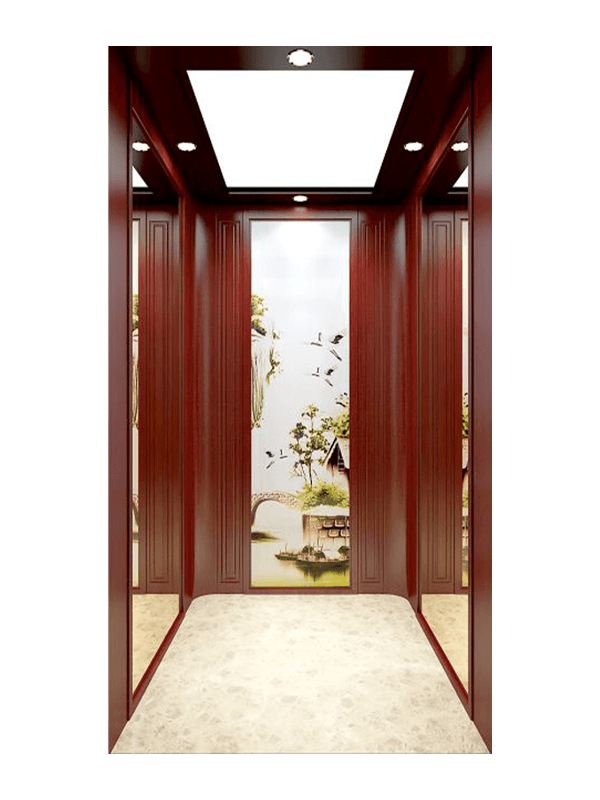
- Wood veneer panels create a warm, residential feel and suit classic or modern villas.
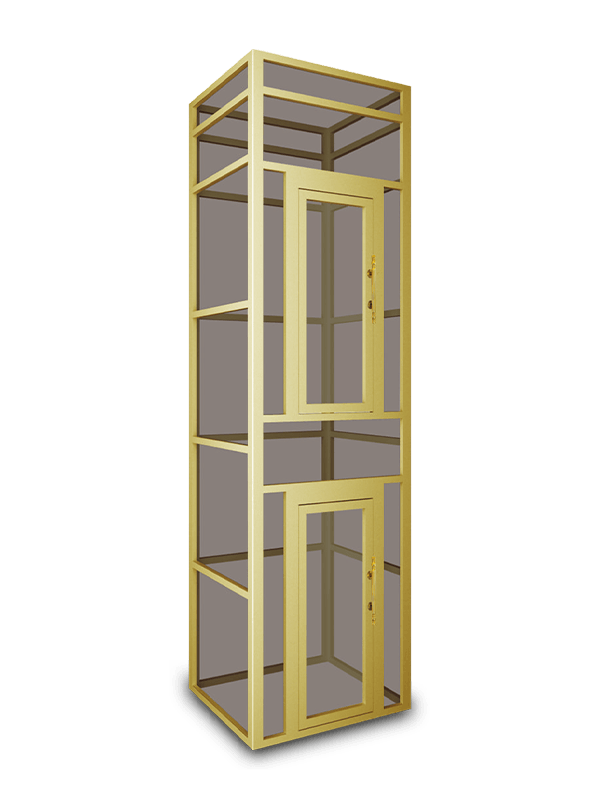
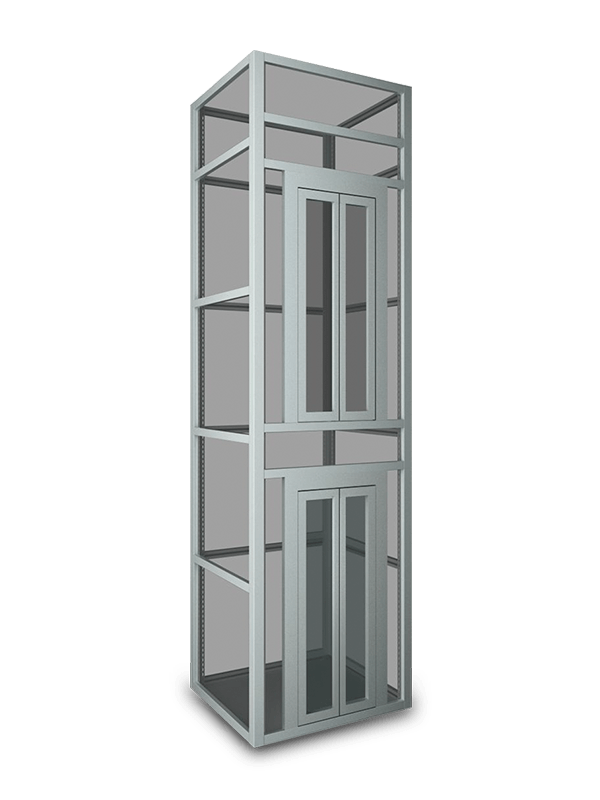
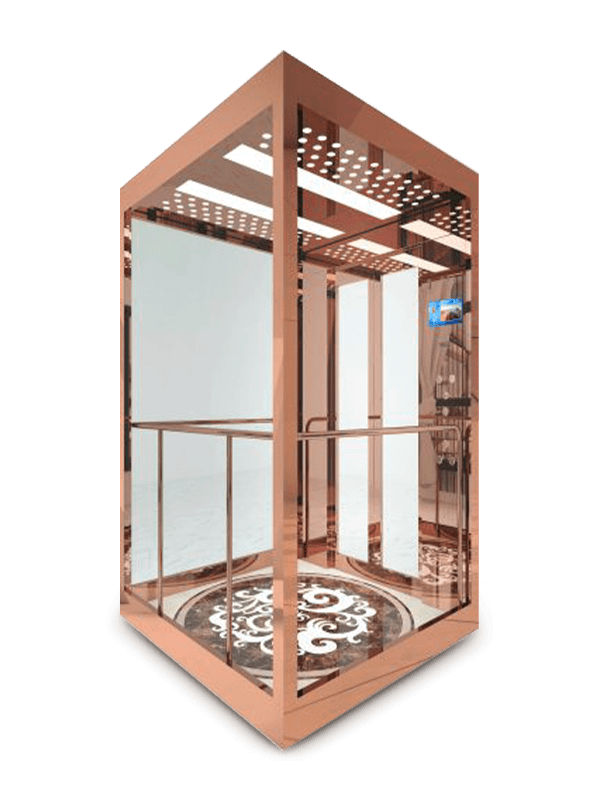
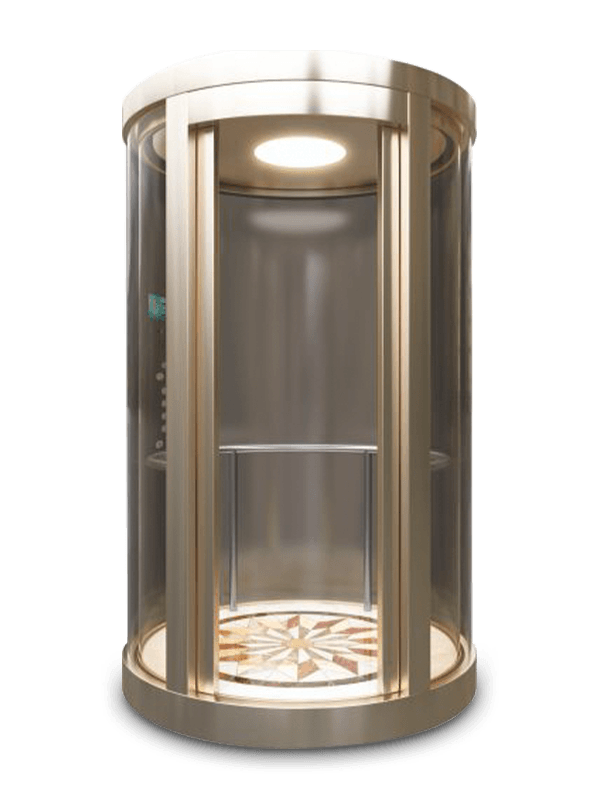
- Glass panels enhance openness and are ideal for panoramic or shaftless home elevators.
Flooring Options
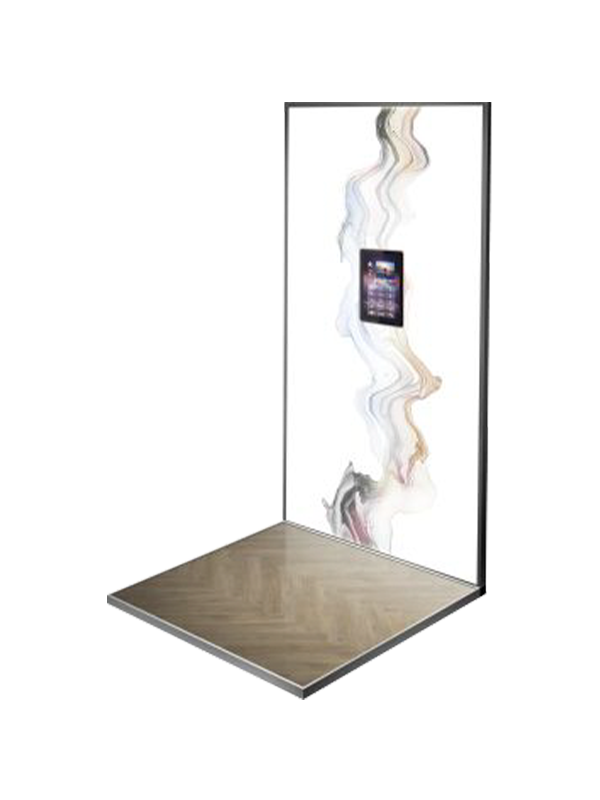
Flooring in a residential elevator car must be non-slip, load-resistant, and visually coordinated with villa interiors. Common choices include stone tiles, vinyl flooring, engineered wood, and rubber safety flooring for elderly users.
Safety Features Required in a Villa Elevator Car
Safety is a non-negotiable factor in any home elevator cabin. Modern villa elevator cars integrate multiple passive and active safety systems to protect users under normal and emergency conditions.
- Emergency stop button positioned at accessible height.
- Automatic rescue device to move the car to the nearest floor during power failure.
- Intercom or alarm system connected to household or security network.
- Infrared door sensors preventing accidental door closure.
For villas with children, additional safety measures such as child-lock control panels and soft-start technology can further reduce risk.
Lighting and Control Panel Design
Lighting inside the villa elevator car affects both visibility and atmosphere. Soft LED ceiling lights are commonly used to reduce glare and energy consumption while providing sufficient illumination.
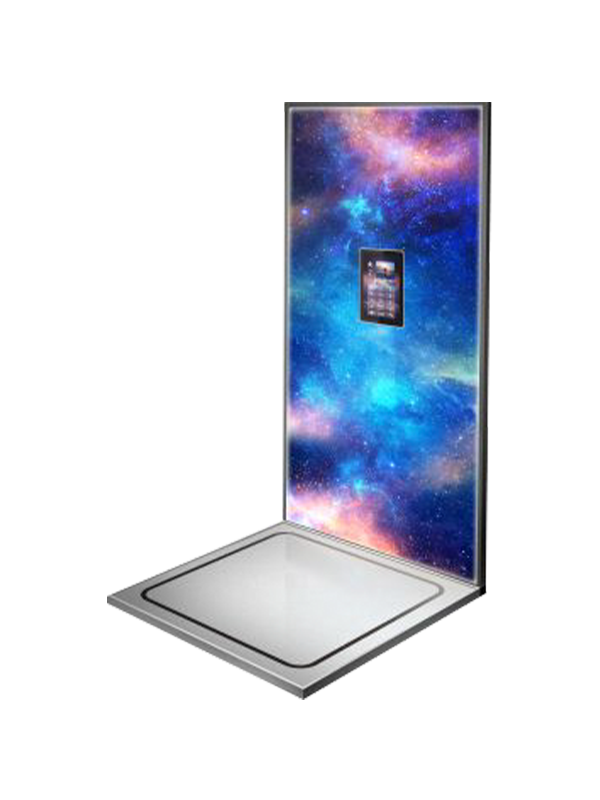
Control panels in home elevator cars are typically simpler than commercial ones, featuring fewer buttons and intuitive icons. Touch panels and backlit buttons are increasingly popular for luxury villas, improving usability for elderly residents.
Noise Control and Ride Comfort
A high-quality villa elevator car should operate quietly and smoothly. Noise and vibration are common concerns in residential environments where bedrooms and living areas are nearby.
Ride comfort is influenced by car balance, guide rail alignment, door operation, and interior damping materials. Choosing a well-insulated elevator car significantly improves the overall home experience.
Customization Options for Luxury Villa Elevator Cars
One advantage of a private home lift is the ability to customize the elevator car extensively. Customization allows the cabin to match interior design themes while meeting functional needs.
- Mirror placement to enhance visual space and assist mobility.
- Custom ceiling designs with recessed or indirect lighting.
- Personalized color schemes and textures aligned with villa décor.
Maintenance and Long-Term Care of Elevator Cars
Regular maintenance ensures the villa elevator car remains safe, clean, and visually appealing. Interior surfaces should be cleaned with non-abrasive products, while mechanical components require professional inspection.
Homeowners should schedule periodic checks for door alignment, lighting functionality, emergency systems, and flooring condition. Preventive maintenance extends the lifespan of the residential elevator cabin and minimizes unexpected downtime.
Choosing the Right Villa Elevator Car for Your Home
Selecting the right villa elevator car involves evaluating household needs, architectural constraints, safety standards, and design preferences. A well-designed home elevator cabin improves daily convenience, increases property value, and supports aging-in-place living.
By focusing on size, materials, safety, and customization, homeowners can invest in a villa elevator car that delivers reliable performance and long-term comfort while blending seamlessly into the home environment.