

 English
 عربى
عربى Deutsch
 Español
 Français
 русский
 日本語
日本語 简体中文
简体中文Content
- 1 What Is a Villa Elevator Frame Hoistway?
- 2 Standard Dimensions for Villa Elevator Hoistways
- 3 Frame Materials: Steel vs. Concrete vs. Hybrid
- 4 Structural Requirements the Frame Must Meet
- 5 Self-Supporting Steel Frame: Installation Process Step by Step
- 6 Common Hoistway Frame Problems and How to Avoid Them
- 7 Cost Reference for Villa Elevator Frame Hoistways
- 8 Key Questions to Ask Your Elevator Supplier About the Hoistway Frame
- 9 Final Takeaway
A villa elevator frame hoistway is a self-supporting or wall-integrated structural enclosure that contains the elevator car, guide rails, counterweight, and mechanical components. For residential villas, the hoistway frame is the backbone of the entire elevator system — and getting its design, dimensions, and material right from the start determines both safety and long-term performance. Whether you are retrofitting an existing villa or building from scratch, understanding the hoistway frame is the first practical step.
What Is a Villa Elevator Frame Hoistway?
The hoistway — sometimes called the shaft or well — is the vertical passage through which the elevator travels. In a villa context, the frame hoistway refers specifically to a prefabricated or site-built structural frame (typically steel or reinforced concrete) that forms and encloses this passage. Unlike commercial elevators that rely entirely on building walls, villa elevator frame hoistways can be:
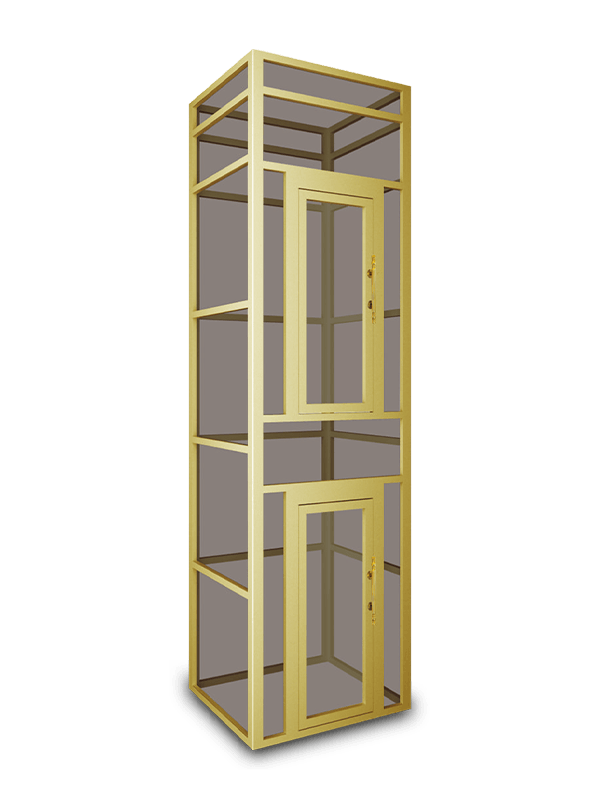
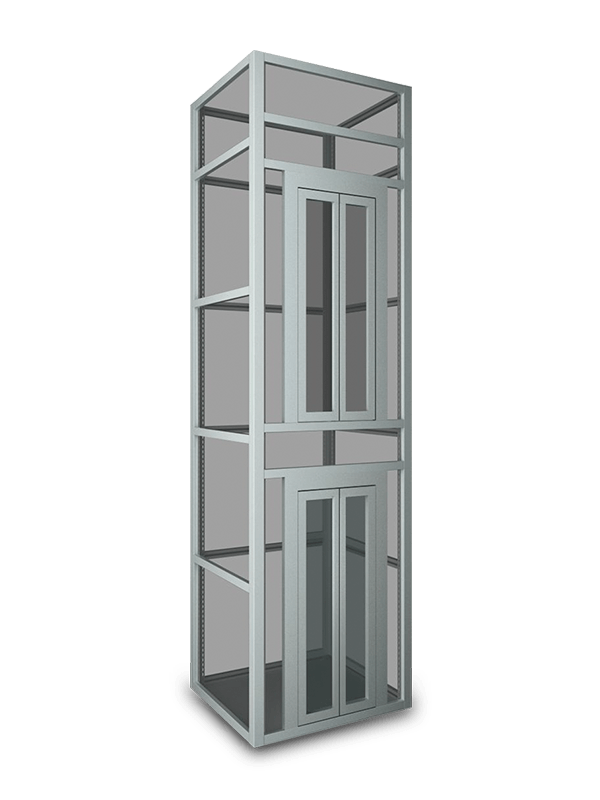
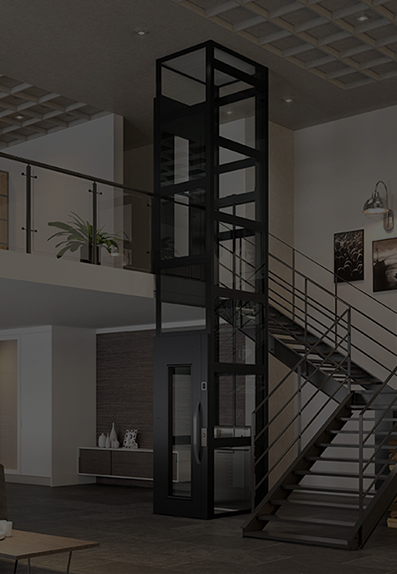
- Self-supporting steel frames — freestanding structures assembled independently of the building walls, ideal for retrofitting.
- Concrete hoistways — built during construction using reinforced concrete walls on all four sides.
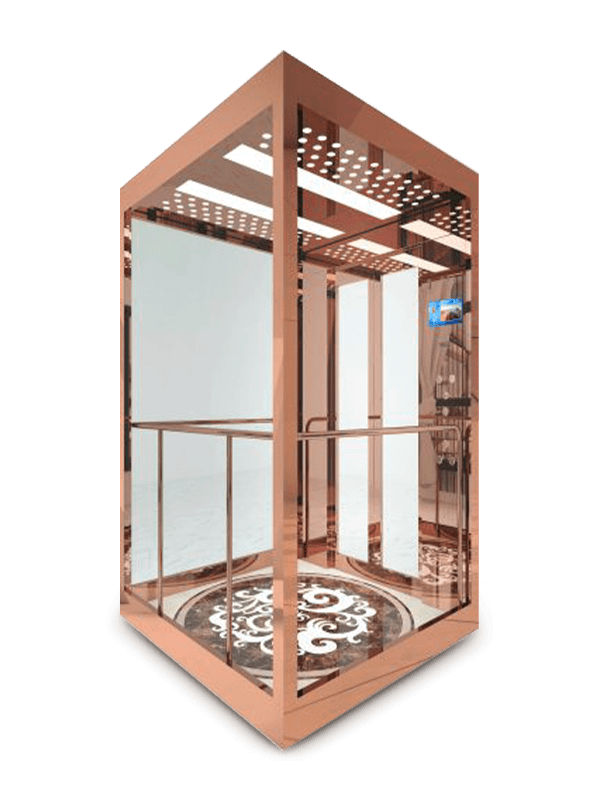
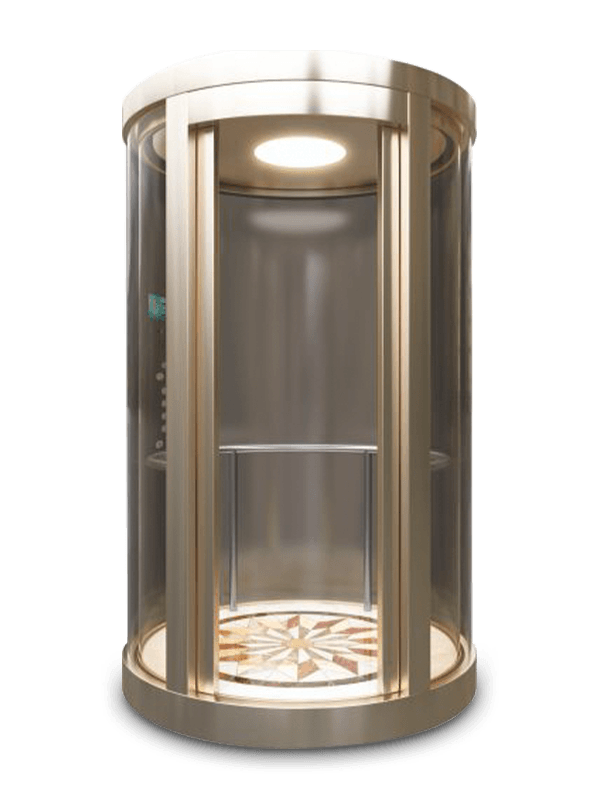
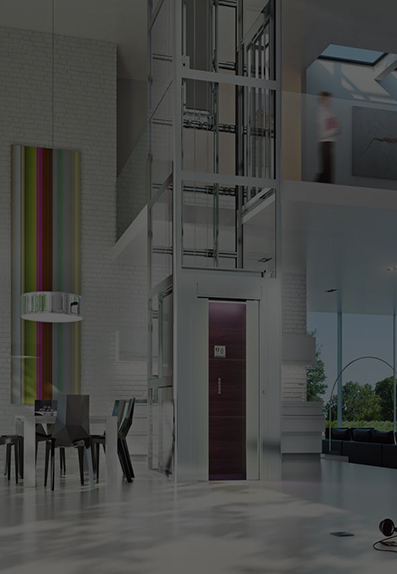
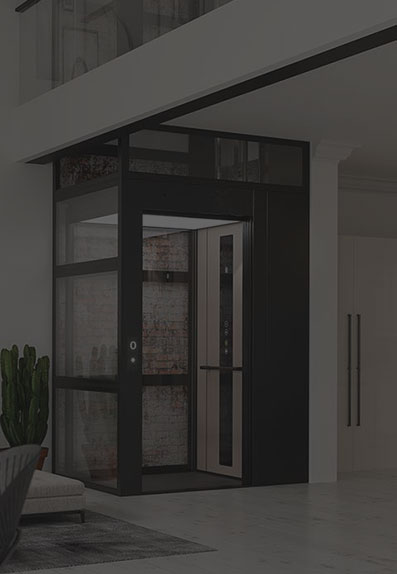
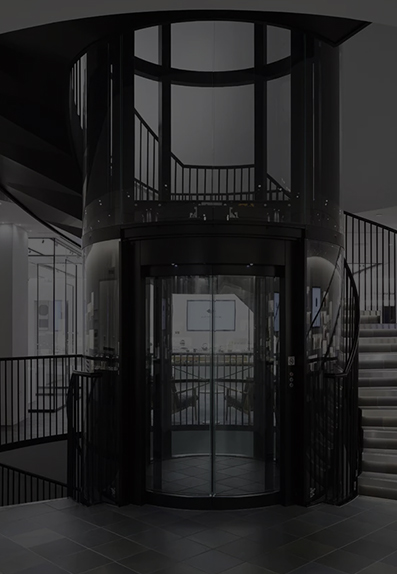
- Glass and steel frame combinations — popular in modern villas for aesthetic transparency while maintaining structural integrity.
The frame serves multiple functions: it supports the guide rails, absorbs dynamic loads from the moving car and counterweight, provides fire and noise separation, and defines the legal pit depth and overhead clearance required by safety codes.
Standard Dimensions for Villa Elevator Hoistways
Dimensions vary by elevator type and local building codes, but the following table covers the most commonly referenced specifications for residential villa elevators in a 2–3 person capacity range:
| Parameter | Traction (MRL) | Hydraulic | Screw Drive |
|---|---|---|---|
| Hoistway Width (mm) | 1200–1600 | 1200–1500 | 900–1400 |
| Hoistway Depth (mm) | 1400–1800 | 1400–1700 | 1000–1500 |
| Pit Depth (mm) | 300–500 | 500–800 | 100–200 |
| Overhead Clearance (mm) | 2500–3200 | 2400–3000 | 2200–2800 |
Screw-drive systems offer the smallest hoistway footprint, sometimes as compact as 900 × 900 mm, making them popular in villas where space is restricted. However, they typically carry lower load ratings (up to 250 kg) compared to traction systems (up to 400 kg for residential use).
Frame Materials: Steel vs. Concrete vs. Hybrid
The choice of frame material has long-term implications for cost, installation timeline, and building impact.
Steel Frame Hoistway
Prefabricated steel frames are the most common choice for villa retrofits. A typical Q235 or Q345 structural steel frame can be assembled on-site within 3–5 days, requires no major civil work, and can be dismantled if needed. Key advantages include speed, precision manufacturing tolerances (±1 mm), and compatibility with glass or aluminum panel cladding for aesthetic finishes.
Reinforced Concrete Hoistway
Concrete hoistways deliver superior sound insulation and fire resistance (typically rated at 2-hour fire resistance vs. 30–60 minutes for steel frames). They are the standard in new villa construction where hoistway planning is incorporated into the architectural drawings. The downside is cost: concrete hoistways add 15–30% more to the civil works budget compared to a steel frame solution.
Hybrid (Steel Frame + Panel Cladding)
A steel structural frame clad with tempered glass, aluminum composite panels, or stainless steel sheets combines the speed of steel erection with improved aesthetics and moderate sound attenuation. This is the dominant solution in European and Asian luxury villa markets today, accounting for an estimated 60% of new residential elevator installations in the premium segment.
Structural Requirements the Frame Must Meet
A villa elevator frame hoistway must satisfy both static and dynamic load requirements. Relevant international references include EN 81-20/50 (Europe) and ASME A17.1 (North America). Practically, the key structural criteria are:
- Guide rail bracket spacing: Typically 1500–2500 mm apart; closer spacing required when car speed exceeds 0.63 m/s.
- Lateral stiffness: The frame must resist a horizontal force of at least 300 N applied at any point without exceeding a 5 mm deflection, per most national codes.
- Pit waterproofing: The pit floor must be waterproofed to prevent corrosion of guide rail base plates and buffer assemblies.
- Ventilation: Hoistways require a ventilation opening of at least 1% of the hoistway cross-sectional area at both top and bottom.
- Lighting: Minimum 50 lux at pit floor level and at overhead beam level for maintenance access.
Self-Supporting Steel Frame: Installation Process Step by Step
For retrofit villa projects, a self-supporting steel frame hoistway is installed in a defined sequence to ensure plumb accuracy and structural integrity:
- Site survey and pit preparation: Confirm floor opening dimensions, pour pit base slab if required, and apply waterproofing membrane.
- Base frame assembly: Install ground-level steel base frame, anchor to the pit slab with M20 chemical anchor bolts at a minimum of 4 points.
- Column erection: Erect vertical columns section by section, checking plumb with a laser level to maintain ±2 mm tolerance per floor.
- Horizontal tie beams: Install tie beams at each floor landing level; these also serve as door frame support structures.
- Cladding installation: Fix glass or panel cladding to the steel frame; seal all joints with fire-rated silicone sealant.
- Guide rail installation: Mount guide rails to the frame brackets, align with plumb wire, and tighten to specified torque.
- Inspection and handover: Conduct a pre-installation inspection per local authority requirements before elevator components are fitted.
A typical 4-story villa steel frame hoistway installation takes 4 to 7 working days for an experienced crew of 3–4 workers.
Common Hoistway Frame Problems and How to Avoid Them
Even well-specified hoistway frames can fail due to avoidable errors in planning or execution. The most frequently encountered issues include:
Insufficient Pit Depth
Homeowners often underestimate the pit depth requirement, particularly for traction elevators. A pit shallower than the specified minimum forces the use of non-standard buffer systems, which increases cost and may not satisfy local inspection authorities. Always confirm pit depth before finalizing the elevator model.
Frame Out-of-Plumb
A frame that deviates more than 3–5 mm from plumb across its full height causes excessive guide shoe wear, vibration, and noise. Using a laser plumb tool at every column section joint — not just at the final height — is the most reliable prevention method.
Inadequate Frame-to-Building Connection
A self-supporting frame that is not positively anchored to the building structure at each floor level will vibrate independently during elevator operation, transmitting noise into the living space. At minimum, 2 anchor points per floor per side connecting the frame to the building slab edge or wall are recommended.
Corrosion in Wet Climates
In coastal or high-humidity environments, unprotected carbon steel frames can show significant surface rust within 2–3 years. Specifying hot-dip galvanized steel (85 µm minimum coating) or 304 stainless steel for brackets and connectors in these climates dramatically extends service life.
Cost Reference for Villa Elevator Frame Hoistways
Hoistway frame costs vary significantly based on material, number of floors, and finish. The table below provides reference price ranges for a 3-stop (ground + 2 upper floors) villa elevator hoistway frame:
| Frame Type | Estimated Cost (USD) | Lead Time | Best For |
|---|---|---|---|
| Concrete (new build) | $3,000–$7,000 | 2–4 weeks | New construction, maximum sound insulation |
| Steel frame (basic) | $4,000–$9,000 | 1–2 weeks | Retrofit, fast installation |
| Steel + glass cladding | $8,000–$18,000 | 2–3 weeks | Modern villas, aesthetic priority |
| Stainless steel (coastal) | $12,000–$22,000 | 3–5 weeks | High-humidity or coastal villas |
Note that these figures cover the hoistway frame structure only and do not include the elevator car, drive system, controls, or interior finishes.
Key Questions to Ask Your Elevator Supplier About the Hoistway Frame
Before signing a contract, these questions help you evaluate whether the supplier's hoistway frame solution is appropriate for your villa:
- Is the frame design certified to EN 81-20, ASME A17.1, or the applicable local standard?
- What steel grade and surface treatment specification is used for the primary frame members?
- Does the frame supplier provide a structural calculation report stamped by a licensed engineer?
- How is the frame connected to the building structure, and what anchoring loads must the building absorb?
- What is the warranty period specifically on the frame, and what does it cover?
- Can the frame accommodate a future pit extension if regulations change, or if a deeper pit is required for a different drive system?
Final Takeaway
The hoistway frame is not a component to compromise on in a villa elevator project. It directly affects ride quality, noise levels, safety compliance, and the longevity of every other elevator component attached to it. Choosing the right frame type — steel for speed and flexibility, concrete for acoustic and fire performance, or hybrid for aesthetics — should be the first structural decision made, before selecting the elevator drive system or interior finish. Invest in a properly engineered, correctly installed hoistway frame and the rest of the elevator installation becomes significantly more straightforward.